


Delays in Iron and Folic Acid Supply Impact Health Programs
Concerns are mounting over a protracted shortage of iron and folic acid supplements in state-run health facilities, with officials confirming that supplies will not resume until December. The procurement process for these essential nutritional supplements has only recently commenced.
Impact on Vulnerable Populations
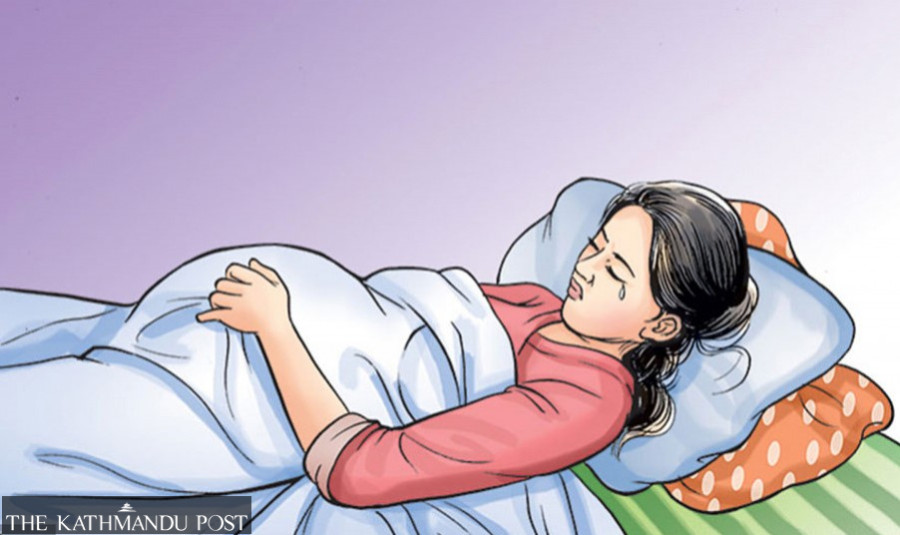
For several months, hundreds of thousands of pregnant women, new mothers, and adolescent girls aged 10-19 have been deprived of free access to these vital supplements. This disruption has raised significant concerns regarding the government’s commitment to addressing anemia—a condition particularly prevalent among these groups.
Lila Bikram Thapa, the chief of the Nutrition Section at the Family Welfare Division of the Department of Health Services, emphasized, “We have asked provincial and local health agencies to purchase iron and folic acid on their own and distribute them to pregnant women, new mothers, and girls between 10 and 19. It takes several months to purchase the supplements by fulfilling all due procedures.”
Programme Challenges
The iron and folic acid supplementation initiative, which began as a response to the high rates of anemia among women and children, has effectively stalled since February. Health ministry officials reported a lack of federal purchases and budget allocations for these essential supplements over the past two years. Although the obligation to procure these supplements was shifted to provincial agencies, many have yet to take action.
Health Consequences of Anemia
Anaemia, defined as a deficiency in healthy red blood cells, can lead to symptoms such as fatigue, lethargy, and reduced productivity. During pregnancy, it poses increased risks to both maternal and foetal health. Complications include:
- Foetal growth retardation
- Low birth weight
- Premature delivery
- Increased perinatal mortality
- Reduced resistance to infection
Beyond physical implications, anemia can adversely affect cognitive development in children, with long-term ramifications for their health and economic contributions to society.
Current Statistics and Efforts
The Nepal Demographic and Health Survey conducted in 2022 highlights an alarming 34% of women aged 15-49 years suffering from anemia. This issue is particularly pronounced in the Tarai region, where the rate reaches 45%. Furthermore, over 43% of children aged six to 59 months are also affected by anemia, with Madhesh Province reporting the highest rates at 50.6%.
In light of the current situation, health officials have reported that some local governments have successfully procured and distributed supplements independently. Additionally, the Ministry of Health and Population has sought assistance from aid agencies like Helen Keller International Nepal and Care Nepal for financial support to cover immediate needs as the procurement process unfolds. However, the extent of their contributions remains uncertain.
Future Outlook
Thapa indicated that the last significant procurement of iron and folic acid tablets took place three years ago, under the assumption that sufficient stock would last through the fiscal year. For the upcoming fiscal year, however, an allocation of Rs90 million has been proposed to address the critical supply deficit.
The initiation of the iron and folic acid supplementation program in 2003 represented a proactive government measure to combat anemia, particularly affecting pregnant women and adolescents. Despite previous successes, the current shortages underline the need for sustained commitment and resource allocation to safeguard the health of the nation’s vulnerable populations.
