


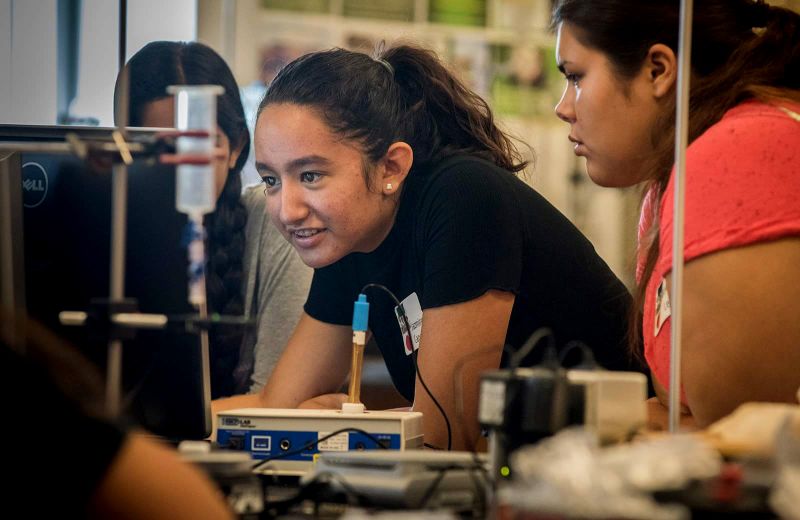
The Role of Diversity in STEM: Advancing Inclusive Scientific Practices
Scientific knowledge is an evolving construct shaped by a multitude of factors, among which the identities of researchers play a critical role. As discussions around science, technology, and society (STS) increase, researchers are examining how inclusivity can enhance the learning and application of scientific knowledge.
Understanding the Creation of Scientific Knowledge
In the realm of STS, various inquiries are being made into the processes through which scientific knowledge is cultivated, shared, and utilized. Key questions include:
- How does a scientist’s identity influence their research outcomes and interpretations?
- What societal and cultural implications stem from the manner in which scientific information is disseminated to the public and policymakers?
- How do ethical considerations, laws, and government regulations intersect with scientific research?
The Importance of Diversity in STEM Fields
Historically, women, racial and ethnic minorities, and individuals with disabilities have faced significant underrepresentation in STEM disciplines. Recognizing this, leaders in organizations like the National Science Foundation (NSF) advocate for initiatives that pave the way for more inclusive educational and career pathways in science and technology.
According to Sethuraman Panchanathan, the NSF Director, the collective strength of America’s research and innovation landscape will rely on expanding opportunities for underrepresented groups within STEM fields. This goal aligns with the NSF’s Vision 2030 strategic plan.
Highlighting Underrepresented Contributions in Scientific History
Initial inquiries into women’s contributions to science began in the 1960s and 1970s, prompting essential dialogues about inclusivity. Wenda Bauchspies, an STS program director at NSF, notes that these discussions have evolved to now encompass various aspects of diversity, including LGBTQ+ identities and racial dimensions.
A notable example is the work of Pnina Geraldine Abir-Am, who received NSF funding to explore the story behind RNA splicing. Her interviews revealed that although several women played pivotal roles in this discovery, their contributions were overshadowed, ultimately affecting their recognition, notably in relation to the 1993 Nobel Prize.
Innovative Initiatives: ScienceMakers
Julieanna Richardson’s ScienceMakers project aims to amplify the voices and stories of over 200 African American scientists, highlighting their achievements and experiences within STEM fields. Through biographical accounts and oral histories, the initiative illuminates the diverse pathways that have directed these scientists into their careers.
Richardson emphasizes that these narratives not only celebrate excellence but also serve to inspire future generations to pursue STEM careers, showing that there is room for everyone in these fields.
Incorporating Perspectives from Disabled Individuals
Ashley Shew, an associate professor, is focusing her research on the intersection of disability and STEM. By collecting narratives from individuals with disabilities regarding assistive technologies, her work aims to bridge the gap between lived experiences and scientific perceptions of disability technology.
Shew articulates that disabled individuals deserve to be recognized as experts in their own right, not merely as subjects for scientific experimentation. This approach promotes genuine collaborations with disabled communities, leading to advancements in technology that truly consider their needs.
“Studying disability offers an opportunity to reform professional norms and behaviors, making STEM more inclusive for diverse identities,” Shew stated.
Conclusion: Toward a Broader Scientific Community
By shining a light on historically marginalized voices and fostering inclusive practices, STS research provides valuable strategies for reaching the many individuals who have been historically underrepresented in STEM. Addressing these gaps not only enhances the scientific community but also strengthens the foundation of innovation and discovery necessary for future advancements.
