


Representation of Black Women in ‘One Battle After Another’
The recent release of Paul Thomas Anderson’s film, One Battle After Another, has sparked discussions concerning the portrayal of Black women in cinema. With the backdrop of the film’s thrilling elements, including its celebrated action sequences and characters, a critical lens reveals deeper issues surrounding racial and gender representation.
Context: Racial Changes from Novel to Film
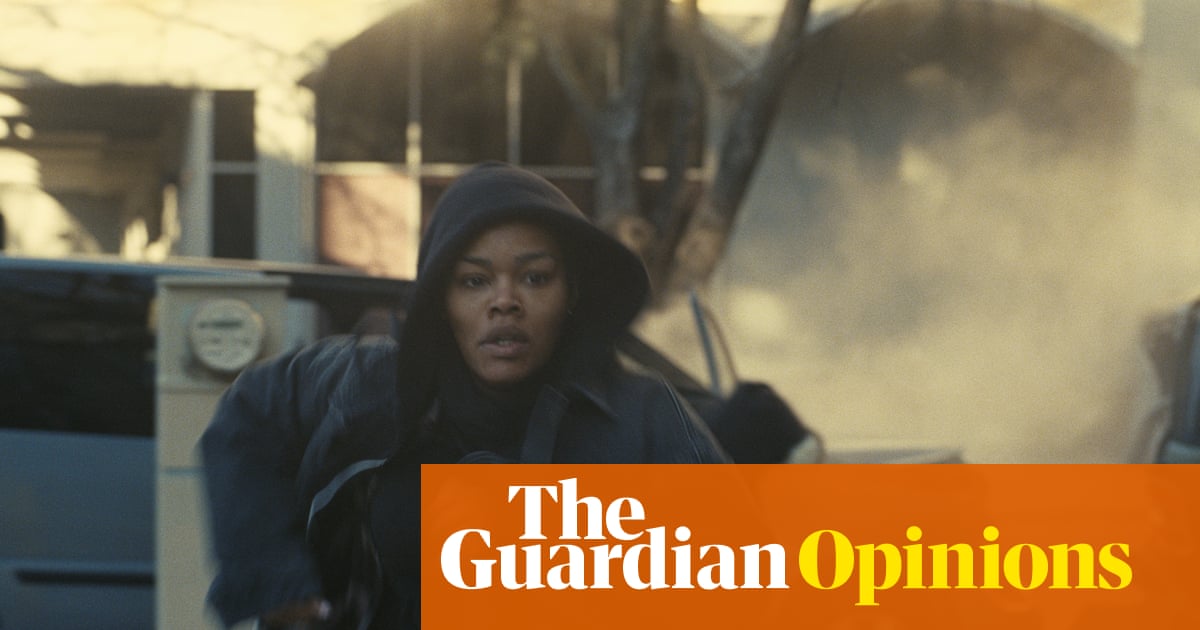
In adapting Vineland, Thomas Pynchon’s novel, Anderson made notable character modifications—specifically, the transformation of the character Perfidia Beverly Hills, originally depicted as a white woman with “fluorescent blue eyes,” to a Black female role played by Teyana Taylor. Similarly, the character Deandra, portrayed by Regina Hall, though often presumed Black, does not have a specified racial identity in the source material.
Filmmaker’s Approach: A Mixed Bag
While Anderson’s decision to diversify these roles is commendable, it also raises questions about the narratives constructed around these characters. For instance, the character Perfidia exhibits hypersexualization that detracts from a more nuanced understanding of her motivations. Her actions—such as prioritizing personal gratification over revolutionary commitment—reinforce problematic stereotypes associated with Black women, notably the Jezebel trope.
Character Dynamics and Interracial Relationships
Additionally, the film brings to light the dynamics of interracial relationships. The character of Colonel Lockjaw, portrayed by Sean Penn, is depicted as a white supremacist, making inappropriate remarks while simultaneously romanticizing Black women. Anderson’s portrayal suggests a pervasive view that interracial relationships are predicated on fetishization rather than genuine connection—a theme that complicates the film’s messaging.
Performance and Impact
Despite these concerns, performances within the film are highlighted as a strong point. Regina Hall’s portrayal of Deandra showcases her considerable range, although her role is underplayed. The complexities conveyed by the cast warrant recognition, and moments of the film—such as the alarming incidents involving a paramilitary border force—stress the contemporary relevance of its commentary.
Concluding Thoughts: A Need for Responsibility in Storytelling
As audiences engage with One Battle After Another, it is crucial to reflect on the implications of how characters, particularly Black women, are represented. Anderson’s work, while ambitious in tackling timely issues, must navigate the intricate realities of race and gender with greater sensitivity. The film’s title reflects a broader historical struggle, echoing the need for continuous engagement in the fight for equity and representation.
This article was amended on 29 September 2025 to clarify that the name of the character Junglepussy is the same as the performer’s own stage name.
