


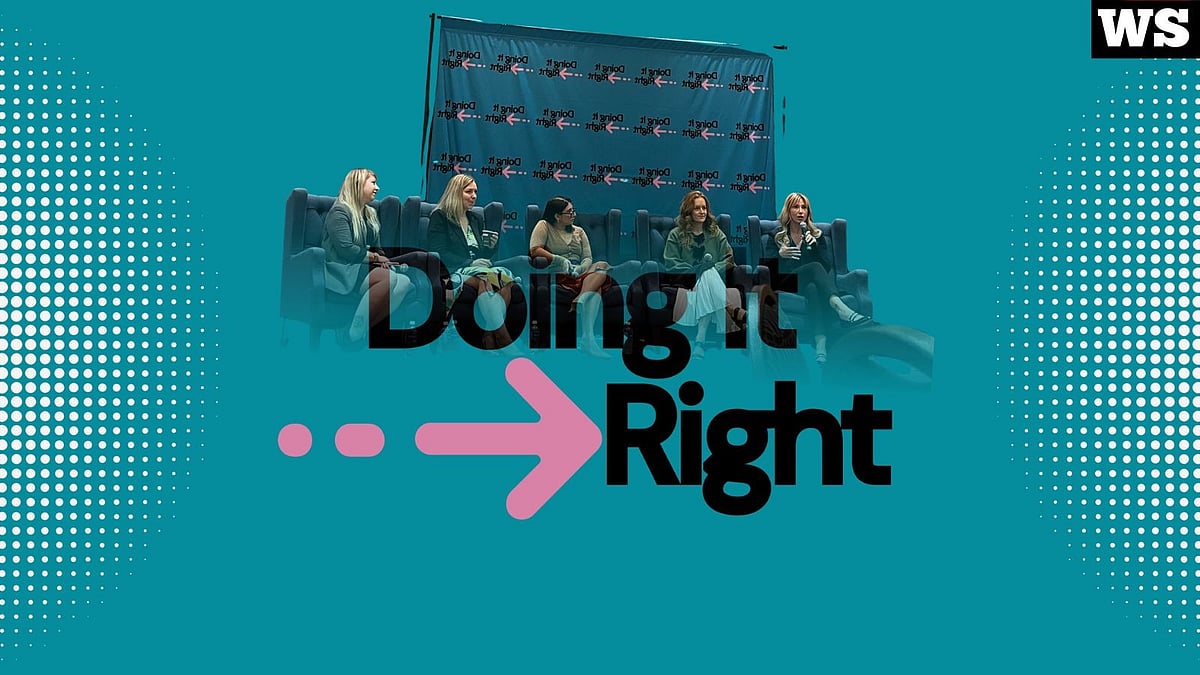
Young People Entering Politics: A New Era of Participation
In recent years, there has been a noticeable increase in the political involvement of younger generations. This shift signifies not just a trend, but the dawn of a new era in political engagement. With the rise of technology and social media, young individuals are now better equipped than ever to voice their opinions and drive change.
The Growing Influence of Youth in Politics
Today’s youth are demonstrating a strong desire to impact the political landscape. This engagement can be observed through various channels, from grassroots movements to organized political campaigns. Several factors contribute to this enthusiasm, including:
- Access to Information: The digital age has democratized access to political information. Young people can easily research policies, political parties, and candidates.
- Social Media Platforms: Social media has become a powerful tool for mobilization and advocacy, allowing youth to share ideas and create movements rapidly.
- Increased Awareness: Contemporary social issues such as climate change, racial justice, and economic inequality are increasingly foregrounding young voters, pushing them to advocate for policies that reflect their values.
Barriers to Participation
Despite the surge in political activity among younger demographics, challenges remain. The barriers faced include:
- Voter Registration Issues: Many young individuals encounter difficulties in the voter registration process, which can hinder their ability to participate in elections.
- Lack of Representation: A pervasive sentiment among young voters is the feeling that their interests are often overlooked by established political parties and leaders.
- Economic Constraints: Financial instability can prevent this demographic from engaging fully in the political sphere, limiting their ability to campaign or participate in civic activities.
Success Stories of Young Politicians
Across the globe, young politicians are making headway in various legislative bodies. Their fresh perspectives and innovative ideas have the potential to reshape policy. Examples include:
- Amy Vilela: A young activist running for office has championed healthcare reform by sharing her personal story of financial struggle due to medical expenses.
- Alexandria Ocasio-Cortez: Elected to Congress at a young age, she has become a prominent voice for progressive issues, leveraging her youth to resonate with younger voters.
The Future of Youth in Politics
As young people continue to become more engaged in politics, the implications this holds for future elections and governance are significant. Their participation can encourage:
- Diversity of Thought: Including a younger perspective in politics promotes a richer, more varied dialogue on national issues.
- Long-term Engagement: Early involvement in political processes often leads to lifelong civic engagement, creating a more informed and active citizenry.
Conclusion
With young people increasingly stepping into political arenas, the potential for transformative change grows. As barriers are addressed and voices amplified, the incoming generation holds the key to shaping a more inclusive and responsive political landscape.
