


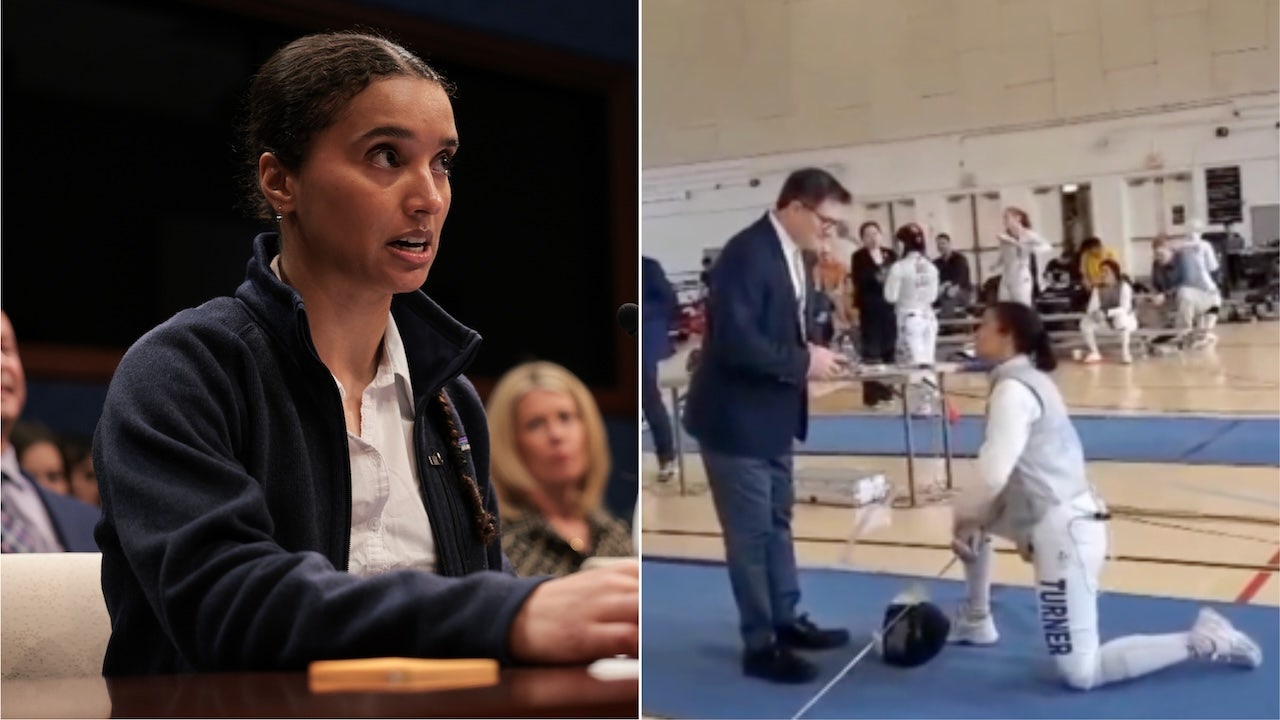
USA Fencing Revises Policies Following Stephanie Turner Controversy
Published on [Insert Date Here]
Background of the Incident
In early March, women’s fencer Stephanie Turner gained significant media attention after kneeling in protest against competing with a transgender opponent, Redmond Sullivan, during the Cherry Blossom Open in Maryland. This action resulted in Turner receiving a 12-month probation from USA Fencing.
Response from USA Fencing
After enduring public and congressional scrutiny for over two months, USA Fencing convened its board of directors and announced significant amendments to its policies. These changes were driven by the escalating concerns surrounding its gender-eligibility policies and the national anthem’s performance at events.
- The organization has de-emphasized states with laws considered “harmful” to LGBTQ individuals in its event selection process.
- It has codified the traditional practice of playing the national anthem before competitions into official policy.
Turner’s Reaction
In an exclusive statement to Fox News Digital, Turner expressed strong disapproval of the organization’s recent changes, stating, “USA Fencing has fallen into the hands of unpatriotic tyrants who put obscure politics ahead of promoting the sport across the country.” She further criticized the exclusion of certain states from the national championship process, suggesting that these decisions were politically motivated to discriminate against conservative regions.
Pending Changes to Gender-Eligibility Policy
In late April, USA Fencing indicated plans to revise its gender-eligibility policy, suggesting that women’s events would exclusively feature athletes classified as female. Meanwhile, the men’s category would include all other eligible competitors. However, the new policy has yet to be formally adopted.
Federal and Congressional Actions
The controversy surrounding Turner prompted a Title IX investigation led by the Trump administration. It also ignited a congressional hearing on the implications of including transgender athletes in women’s sports. At the hearing, USA Fencing Chair Damien Lehfeldt faced substantial questioning from Republican lawmakers regarding the organization’s approach to event site selections based on state laws.
Changes to Event Selection Criteria
Historically, USA Fencing had imposed restrictions on certain states with policies opposing LGBTQ rights and abortion. The list of states previously avoided included:
- Alaska
- Florida
- Indiana
- Tennessee
- Texas
- Others
Now, the organization has announced plans to hold events in several of these states over the coming year, focusing on factors like cost, safety, and convenience rather than political alignment.
Conclusion
As USA Fencing navigates these changes, the implications of its policy revisions and its responses to public criticism continue to unfold. Turner’s bold stand on the issue remains a focal point in ongoing discussions about gender and sports in America.
