


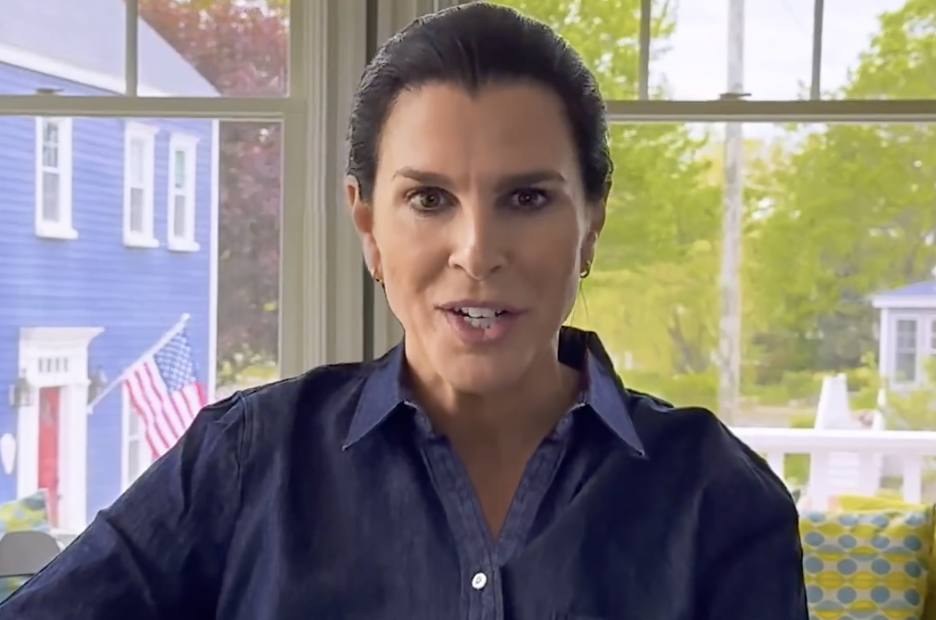
Stefany Shaheen Discusses Stance on Transgender Athletes in Girls’ Sports
Democratic congressional candidate Stefany Shaheen has expressed her support for allowing transgender athletes to compete in girls’ sports, but with a nuanced approach focused on individual circumstances.
Case-by-Case Approach
In a recent interview on Jack Heath’s radio show, Shaheen stated, “It depends on the situation. It depends on the sport. It depends on the athlete.” Her comments highlighted the complexity of the issue surrounding transgender participation in sports.
Alignment with Current Policies
Her stance aligns with her fellow members of the Granite State federal delegation, who voted against the Protection of Women and Girls in Sports Act of 2025 earlier this year. This legislation aimed to restrict participation for biological males in women’s sports.
Insights from Experience
Shaheen, a former girls’ volleyball coach and athlete, acknowledged the significant role sports play in many lives. She stated, “Sports are a huge part of our lives and our culture… I’ve benefited tremendously from my experience as an athlete.”
Public Sentiment and Political Considerations
Polls indicate that a majority of New Hampshire residents support measures to protect girls’ sports from transgender athletes, a sentiment shared by approximately 80% of Americans overall, including 67% of Democrats according to a New York Times poll conducted earlier this year.
Political analyst Dean Spiliotes remarked on Shaheen’s lack of clarity, noting, “You would think by now they would have figured out where they are on the issue.” This is a concern for candidates as voters may demand clear positions on contentious topics.
Upcoming Political Challenges
Although Shaheen benefits from her family legacy in politics—being the daughter of a former governor and senator—she faces challenges in the Democratic primary, especially against active candidates like Maura Sullivan, a Marine Corps veteran.
Others in the party, such as journalist Hanna Trudo, criticized Shaheen’s non-committal response, suggesting it reflects a broader hesitance among Democrats to engage with these issues robustly.
