


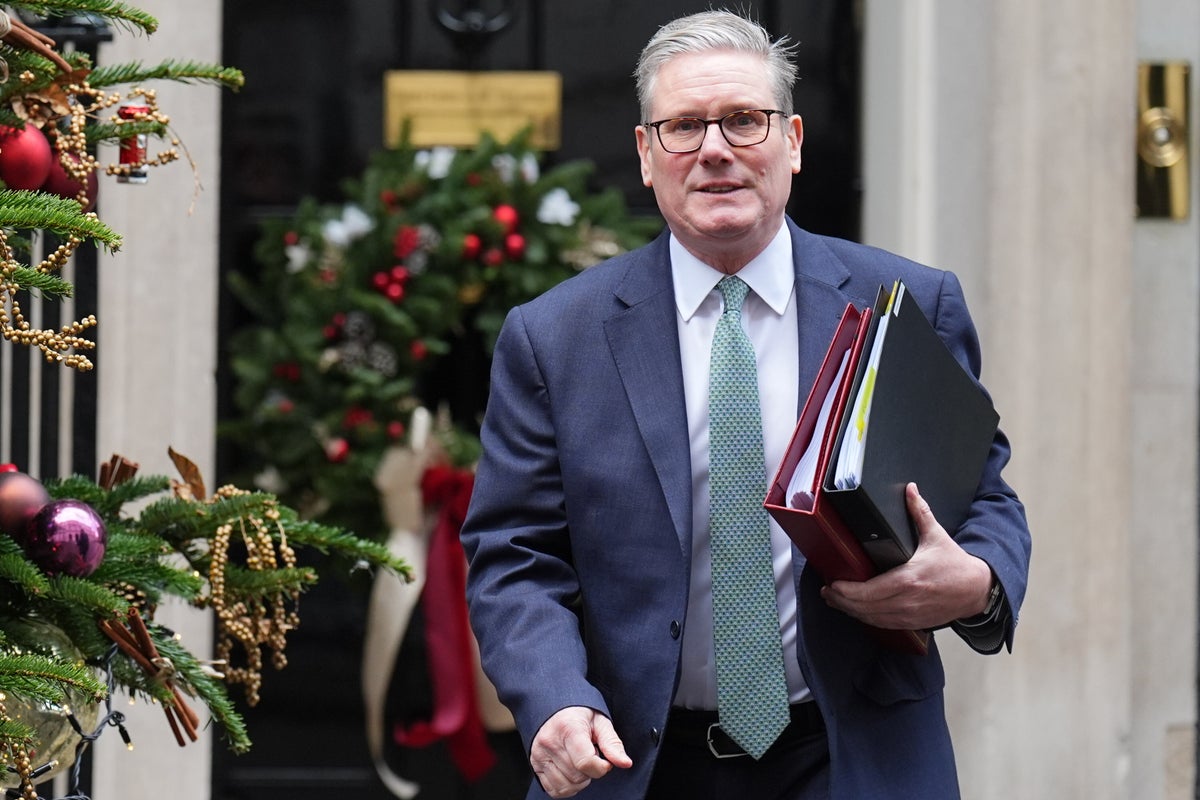
Sir Keir Starmer’s Policy Shifts: A Comprehensive Overview
In recent months, Prime Minister Sir Keir Starmer has faced increasing scrutiny from MPs regarding the government’s direction, particularly following a challenging performance in local elections. This article examines several significant policy U-turns made by Starmer, reflecting shifting positions on key issues impacting many citizens.
Winter Fuel Payments
Following criticism of earlier decisions, the Prime Minister announced plans to expand eligibility for winter fuel payments, which provide essential financial assistance to pensioners during colder months. Initially, cuts were announced to restrict access, but Starmer later expressed his intent to ensure that more pensioners qualify for this vital assistance. As a result, 9 million pensioners will now be eligible, a significant rise from 1.5 million recipients in the 2024-2025 winter.
Two-Child Benefit Cap
In 2020, Starmer advocated for the abolition of the two-child benefit limit, promising a more compassionate social security system. However, his position appeared to shift prior to the elections when he suggested that Labour would not deviate from this policy if victorious. Although he remains non-committal about immediate changes until a comprehensive child poverty strategy is released, there are internal indications that he may favor lifting this cap.
Support for WASPI Women
Addressing the situation of women impacted by state pension age changes, Starmer previously remarked on the injustice of altering retirement timelines without notice. Nonetheless, his administration has since refused compensation claims from the Women Against State Pension Inequality (WASPI) campaign, demonstrating a marked change from his earlier promises.
Green Investment Commitment
Initially, Labour aimed to commit £28 billion annually towards green investments, a pledge made by Starmer’s shadow chancellor, Rachel Reeves. However, ahead of the election, this commitment was significantly revised, with Starmer indicating a reduced financial allocation for initiatives related to energy and sustainability.
National Insurance Pledge
Prior to the election, Labour’s manifesto explicitly stated no increases in National Insurance would occur. However, upon taking office, Starmer and Reeves applied a nuanced interpretation to this promise, resulting in increased contributions for employers, while maintaining a freeze for employees.
Agricultural Property Relief
Starmer’s relationship with farmers has come under strain, especially after he announced plans to cut agricultural property relief. This decision raised concerns among agricultural communities, which felt betrayed after Starmer had previously advocated for a strengthened partnership with the farming sector.
Bankers’ Bonuses Regulation
After previously condemning the lifting of EU-imposed caps on bankers’ bonuses, which was seen as reckless, Starmer made another U-turn when Reeves announced that Labour would not seek to reinstate these limits, contrasting sharply with earlier commitments.
10 Leadership Pledges
Starmer’s initial bid for leadership included ten core pledges aimed at transforming Labour’s policy framework. However, as economic conditions evolved, he has distanced himself from nearly all these promises, leading to feelings of betrayal among the party’s left-leaning members.
Tax Changes for Non-Doms
With concerns over the exodus of high-income individuals from the UK gaining traction, Reeves hinted at a potential rollback of Labour’s planned tax adjustments for non-domiciled individuals, causing further discontent among those who prioritized tax fairness.
In summary, Sir Keir Starmer’s path from Labour leader to Prime Minister has been marked by numerous significant shifts in policy. As the government navigates complex challenges, these U-turns reflect both strategic adaptations and the pressures of governing in a contentious political landscape.
