


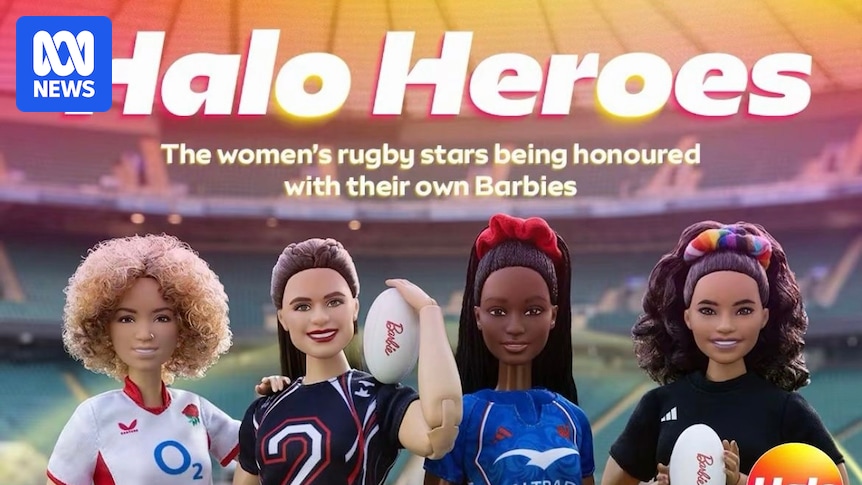
Sky Sports Halts Female-Focused TikTok Initiative
Sky Sports has discontinued its newly launched Halo channel on TikTok just days after its introduction, responding to widespread criticism.
Introduction of Halo
Marketed as a platform designed to engage and entertain female sports enthusiasts, Halo was referred to as the “little sister” of Sky Sports UK. Its debut coincided with the Sky-sponsored TikTok awards, but shortly thereafter, it was deactivated following substantial backlash that resonated across various demographic lines.
Response from Sky Sports
After the public’s negative reception, Sky Sports issued a brief statement, stating:
“Our intention for Halo was to create a space alongside our existing social channels for new, young, female fans. We’ve listened. We didn’t get it right. As a result, we’re stopping all activity on this account. We’re learning and remain as committed as ever to creating spaces where fans feel included and inspired.”
The platform featured videos combining popular culture elements with sports content, utilizing vibrant designs and themes aimed at a young female audience. However, this approach failed to resonate, leading to its rapid demise.
Criticism of Content Approach
Georgie Heath, a sports broadcaster from Sydney, described her initial reaction to Halo as “very strange.” She noted:
“It’s sort of as if someone has just sat down in a boardroom and typed into ChatGPT ‘things that girls who like women’s sport also like.'”
Heath criticized Halo for portraying women’s sports in a manner reminiscent of a gossip meme page rather than focusing on the actual sporting narratives. She added that the channel’s content felt superficial, lacking depth and authenticity.
Market Insights
Despite Halo’s misstep, there remains a significant opportunity to engage female audiences in sports media. Data from Ipsos indicates that men in Australia spent over five times more time consuming sports content online compared to women in September. Heath expressed the need for traditional media to reflect on and provide more tailored content for this audience.
Suggestions for Improvement
Heath emphasized that what women in sports content truly seek are in-depth insights, including behind-the-scenes interactions with players and officials. This approach could not only broaden engagement but also make women’s sports more relatable.
Kristen Gott, a sports journalism graduate, echoed this sentiment, stating that while she enjoys various aspects of femininity, her primary interest in sports aligns with that of male audiences—focused on the sport itself. She expressed a desire for more comprehensive coverage of women’s sports and educational content that simplifies the rules and nuances of the games.
