


Reversal of Funding Cuts for Women’s Health Initiative Sparks Hope
Updated: 7:00 PM PDT April 25, 2025 | KCRA
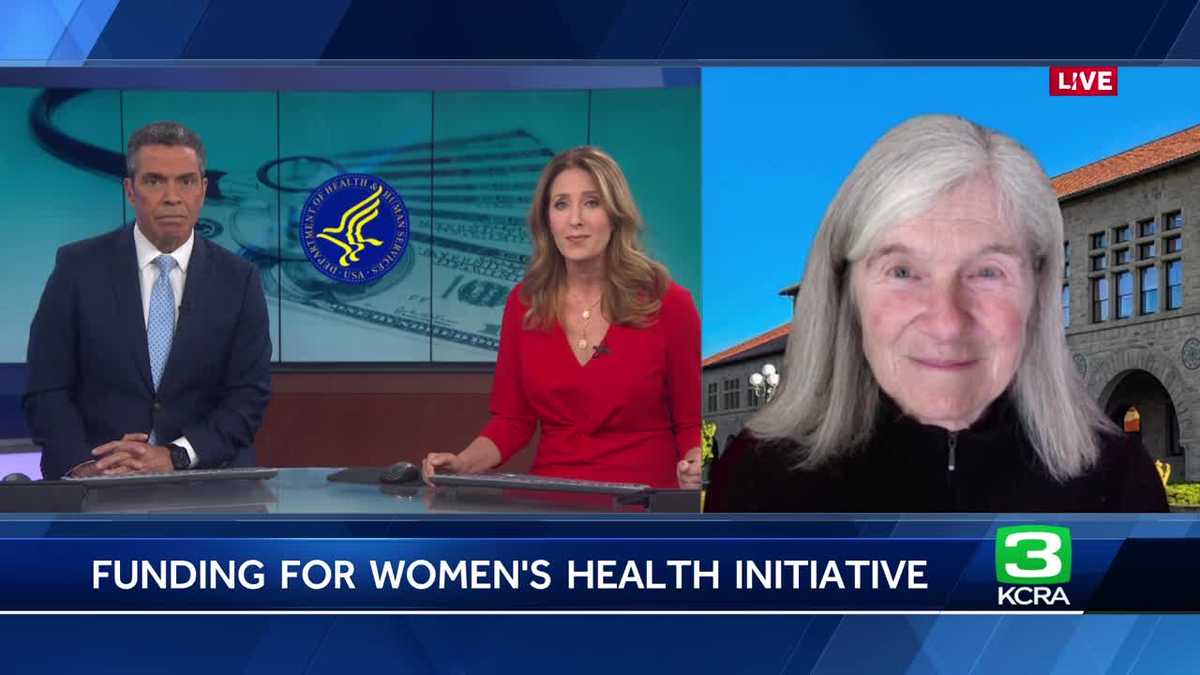
This past week has brought significant developments for the Women’s Health Initiative (WHI), a major long-term study on women’s health. Researchers were initially informed that funding from the Health and Human Services Department (HHS) would be terminated in the fall. However, just days later, HHS announced that funding would continue. Dr. Marcia Stefanick, a leading researcher at Stanford University and principal investigator of the WHI extension study, provided insights into this critical project and its implications for women’s health.
Critical Importance of the Women’s Health Initiative
Dr. Stefanick highlighted the significance of the WHI, which began enrolling participants in the 1990s and has since gathered vital health data from over 162,000 women, including approximately 30,000 from California. “I suspect they didn’t really understand how important the study was,” she noted, addressing the initial funding cut.
The WHI tracks participants annually, focusing on health issues including cardiovascular disease, various cancers, and osteoporosis. Currently, around 42,000 women remain in the study, many of whom are now over the age of 80.
Addressing Health Concerns for Older Women
As the population of older women grows, understanding their health becomes increasingly imperative. Dr. Stefanick stated, “Fifty percent of women make it to age 80, and we have almost no data on women 80 and over.” The ongoing research enables researchers to study crucial health factors affecting this demographic.
The WHI investigates a range of variables affecting women’s health, including:
- Environmental factors such as radon exposure in homes
- Dietary habits and nutritional impacts
- Physical activity levels
- Chronic health conditions like cardiovascular disease and cognitive disorders, including Alzheimer’s
Long-Term Research and Clinical Trials
The WHI is distinguished not only by its extensive longitudinal study but also by its random clinical trials. Initially, research focused on the effects of menopausal hormone therapy on heart disease prevention, discovering that such treatments could increase stroke risk rather than mitigate it.
Current investigations include trials designed to assess effective interventions for preventing major heart problems in older adults. Dr. Stefanick commented, “We’re continuing to look at all kinds of risk factors for heart disease and cancer, ensuring a comprehensive approach to health research.”
