


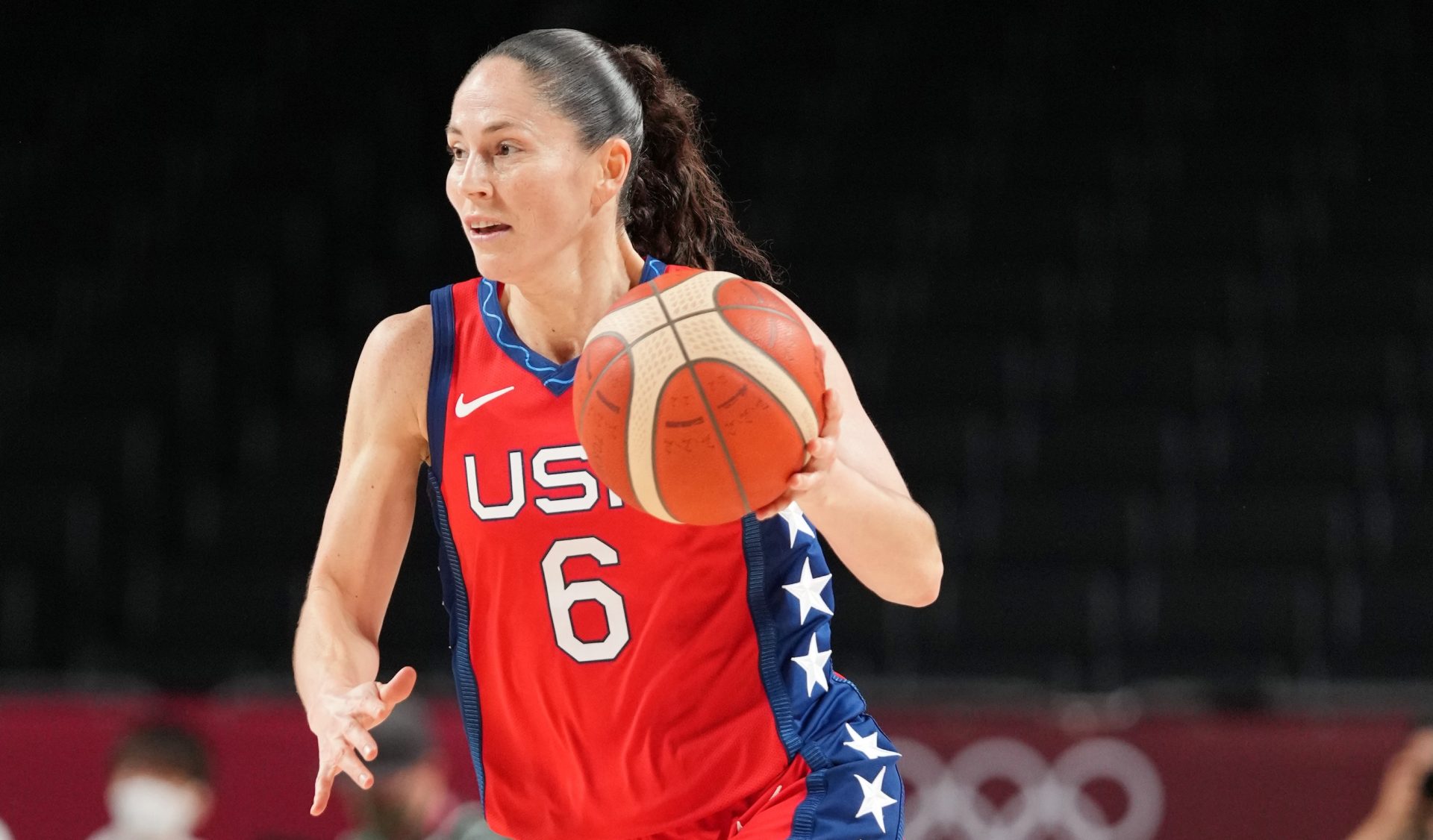
Transitioning Women’s Basketball to a Men’s Framework: The USA Basketball Initiative
Under the leadership of Sue Bird, USA Basketball is set to implement a significant strategy shift by moving women’s basketball to align more closely with the models used in men’s basketball. This change aims to enhance the structure and visibility of women’s basketball, fostering growth and development within the sport.
Overview of the Changes
The decision to adopt a men’s model for women’s basketball is rooted in the desire for consistency across the program. By aligning with established practices from men’s basketball, leaders aim to elevate the women’s game in terms of competitiveness, exposure, and overall operational coherence.
Key Objectives
- Enhanced Competitiveness: Incorporating proven strategies from the men’s game to improve performance and skills on the court.
- Increased Visibility: Boosting media coverage and marketing opportunities for women athletes to elevate their profiles.
- Uniform Standards: Establishing clear guidelines and systems that mirror those of the men’s leagues.
Advantages of the New Model
Transitioning to a men’s model provides various advantages, aiming for a unified approach that could bring significant benefits to the women’s basketball community:
- Resource Allocation: Improved funding and support may be directed toward women’s programs, leading to better coaching and facilities.
- Shared Best Practices: Learning from the successes and challenges faced by men’s teams could inform better strategic decisions.
- Inspiring Future Generations: Enhanced role models and recognition may encourage young athletes to pursue basketball at competitive levels.
Community and Stakeholder Reactions
The proposal has garnered varied responses from within the basketball community. Some stakeholders express optimism about the potential for growth, while others raise concerns regarding the uniqueness of the women’s game. The focus remains on fostering dialogue to address all perspectives involved.
The Role of Sue Bird
Sue Bird, as a prominent figure in women’s basketball, brings a wealth of experience and credibility to this initiative. Her leadership is expected to play a pivotal role in navigating the transition and ensuring that the needs of female athletes are prioritized during this evolution.
Conclusion
The shift towards adopting a men’s model in women’s basketball under Sue Bird aims to bolster the sport’s growth and visibility. By aligning strategies and resources more closely with those in the men’s game, USA Basketball endeavors to create a more competitive and equitable environment for female athletes. The success of this initiative will depend on collaborative efforts from all stakeholders involved.
