


Scottish Women’s Rights Movement: A Struggle for Recognition and Respect
Introduction
The journey of women advocating for their rights in Scotland has been marked by resistance, suppression, and a blossoming grassroots movement. Central figures in this struggle, including Trina Budge, Susan Smith, and Marion Calder, found themselves outside the political mainstream as they sought to voice concerns over gender recognition legislation.
The Legislative Landscape
During the discourse surrounding the Gender Recognition Reform Bill, many Members of the Scottish Parliament (MSPs) leaned heavily on well-funded lobbying groups. Unfortunately, this meant that feminist voices and concerns were often marginalized during consultations, limiting robust dialogue.
Grassroots Mobilization
As resistance to the proposed legislation began to gain traction, participants faced significant challenges, including backlash from opposing factions. Names were documented and circulated, and venues cancelled events amid threats of violence, fostering an environment of fear. The Stand Comedy Club’s attempt to cancel an event featuring Joanna Cherry highlighted the intense pressure organizations faced from hostile groups.
The Role of Politics
Politicians, whose duty it is to uphold democratic values and free speech, largely withdrew from defending these women during critical moments. This lack of support arguably empowered aggressive factions intent on silencing dissenting voices. Furthermore, public institutions, including Police Scotland, were regarded as complicit in what has been termed the “Great Silencing.”
Achievements in Adversity
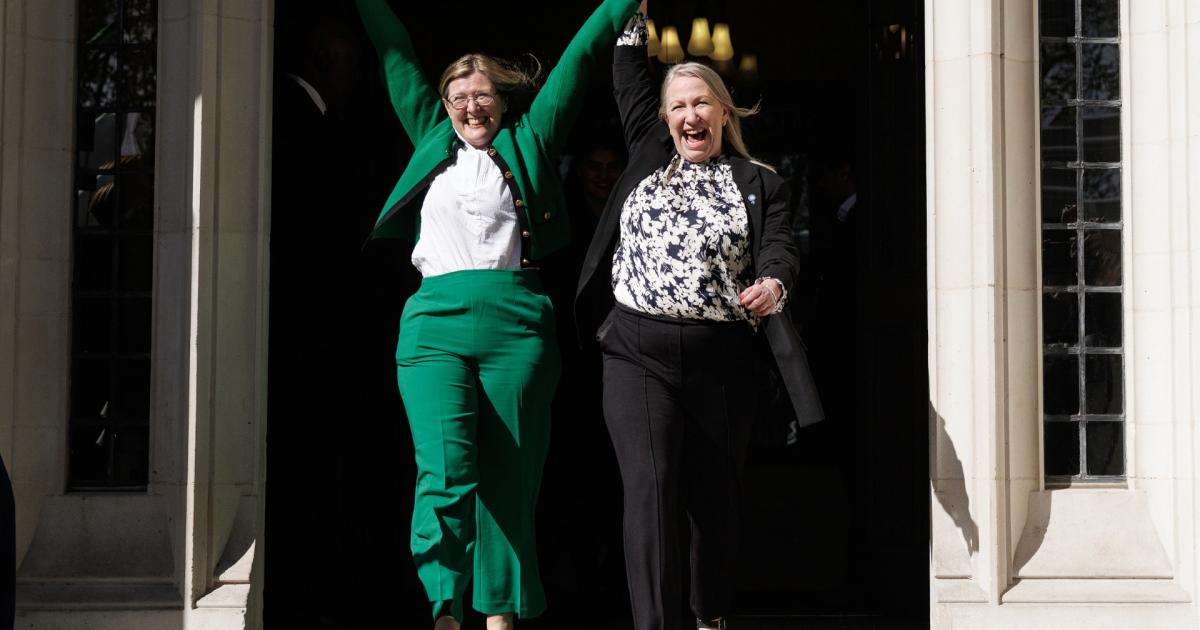
Despite overwhelming opposition, For Women Scotland and its allies brought their cause to the UK Supreme Court, signaling an extraordinary achievement in the fight for women’s rights. Their arguments were heeded by judges from across the United Kingdom, illustrating an admirable commitment to justice in the face of adversity.
Support from Influential Figures
Notably, J.K. Rowling’s involvement in this cause has attracted both support and criticism. Despite misconceptions suggesting that she financed the movement entirely, contributions from numerous ordinary women reinforced the campaign. Many women, fearing professional repercussions, chose to support the cause monetarily as a subtle form of activism.
Intellectual Contributions
The work of Murray Blackburn Mackenzie (MBM), led by Dr. Kath Murray, Dr. Lucy Hunter Blackburn, and Lisa Mackenzie, has been particularly significant. Their research and policy papers have provided a rigorous academic backing to the defense of women’s rights, countering opposition with facts and reason rather than rhetoric.
Responses from Political Groups
In an unexpected twist, the Communist Party of Britain came forward to support the Supreme Court’s ruling, articulating a clear stance on the need to define ‘sex’ in legal terms. Their statement corrected misconceptions about the implications of the ruling, reaffirming that no rights for transgender individuals were undermined while emphasizing the protection of women’s single-sex provisions.
Conclusion
The struggle for women’s rights in Scotland underscores an urgent need for awareness and action against political and social pressures. As the movement continues to evolve, the combined efforts of activists, scholars, and supporters remain crucial for ensuring the protection and recognition of women’s rights in society.
