


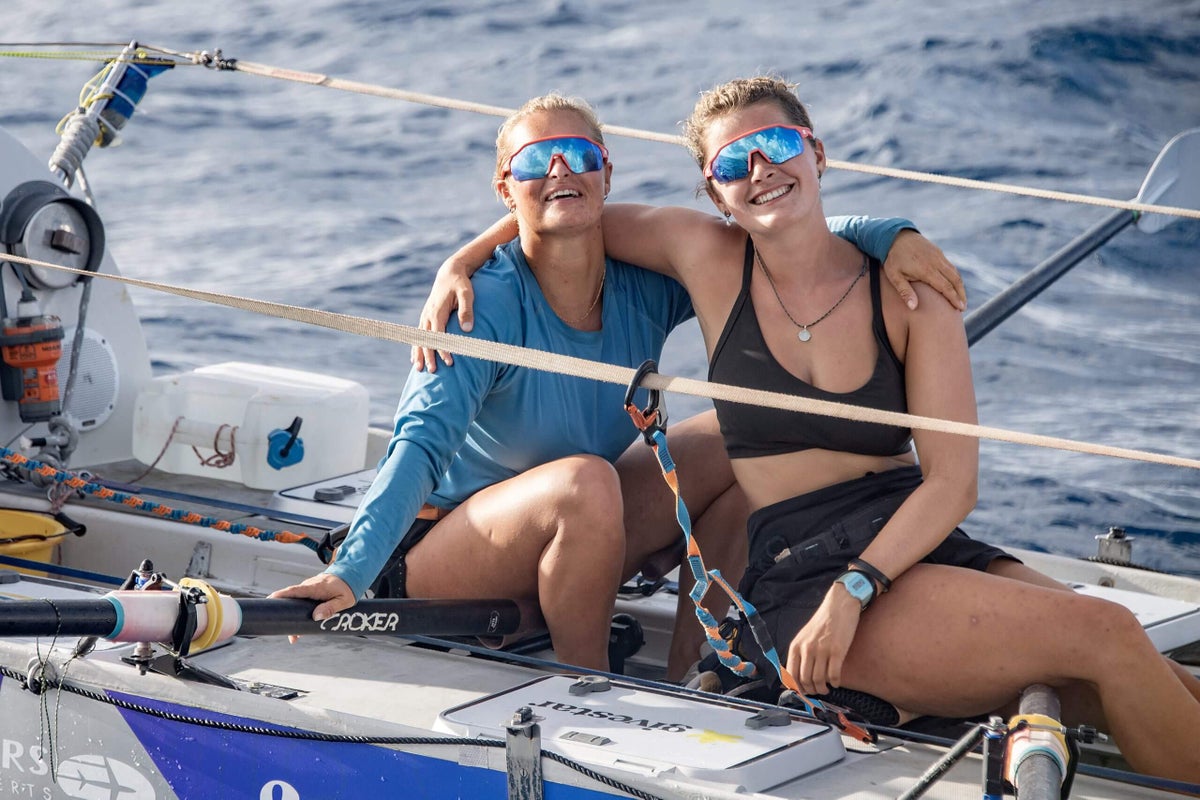
Historic Pacific Ocean Crossing by Jess Rowe and Miriam Payne
Jess Rowe and Miriam Payne have made history by becoming the first all-female crew to successfully row non-stop and unsupported across the Pacific Ocean. Their remarkable journey, which began in Callao, Peru, and culminated in Cairns, Australia on October 19, spanned a formidable 6,907 nautical miles over 165 days.
A Chance Meeting
The duo first met in late 2022 at the Blue Marlin bar in La Gomera, a picturesque island in Spain. Both adventurers were preparing for a transatlantic rowing expedition; Rowe was part of a team while Payne was venturing out solo.
Payne set a record during her Atlantic crossing, completing it in 59 days, 16 hours, and 36 minutes, before reuniting with Rowe to discuss future endeavors.
Expedition Preparation
After two years of intensive planning and fundraising—raising over £100,000 ($130,000) for The Outward Bound Trust—the pair acquired a second-hand rowing boat named Velocity for £60,000 ($78,000). Their training regimen included:
- Six days a week in the gym
- Endless hours on rowing machines
- Weight training for injury prevention
- Practicing rowing and sleep shifts on the water
Challenges At Sea
From the outset, their journey was fraught with difficulties. A broken rudder just a week into their trip left them stranded at sea, prompting a rescue operation. A friend, Alec Hughes, altered his sailing route to assist Rowe and Payne during this critical moment.
“If it hadn’t been for Alec sailing a whole week out of his way…we would have had to abandon our boat,” Rowe explained.
Post-recovery, additional hurdles arose, including:
- Issues with drinking water filters
- Loss of navigational power
- Sleep deprivation from long shifts
- Struggles to consume the required 5,000 calories per day
The Final Push
As they neared land, the pressures grew. “We were getting pushed outside the channel…a lot of relief when we stepped on land,” Payne recalled. They arrived in Australia, proud and elated after meticulous planning and persistent effort.
Life During the Voyage
Throughout their journey, they relied on dehydrated and freeze-dried meals, though often fell short of their caloric targets. They designed a reward system with food every 500 miles, occasionally snacking on a mix of chocolate, nuts, and dried fruit.
Adventurous moments included swimming in the ocean to clear barnacles and sightings of marine life, such as a sperm whale, which left Payne in awe.
A Unique Perspective
During their crossing, Rowe and Payne embraced the isolation of life at sea. “We have no idea about what has happened in the last six months,” Payne noted, appreciating the disconnect.
They achieved their extraordinary feat despite minimal encounters with other vessels, ensuring visibility and safety when approaching shipping lanes near Australia.
Looking Ahead
With their groundbreaking achievement still fresh, the pair is contemplating future expeditions. They have aspirations to row across the Indian Ocean, though they predict the journey may be several years away. As they celebrate their accomplishment and spend quality time with family, their ambitious spirits remain undampened.
