


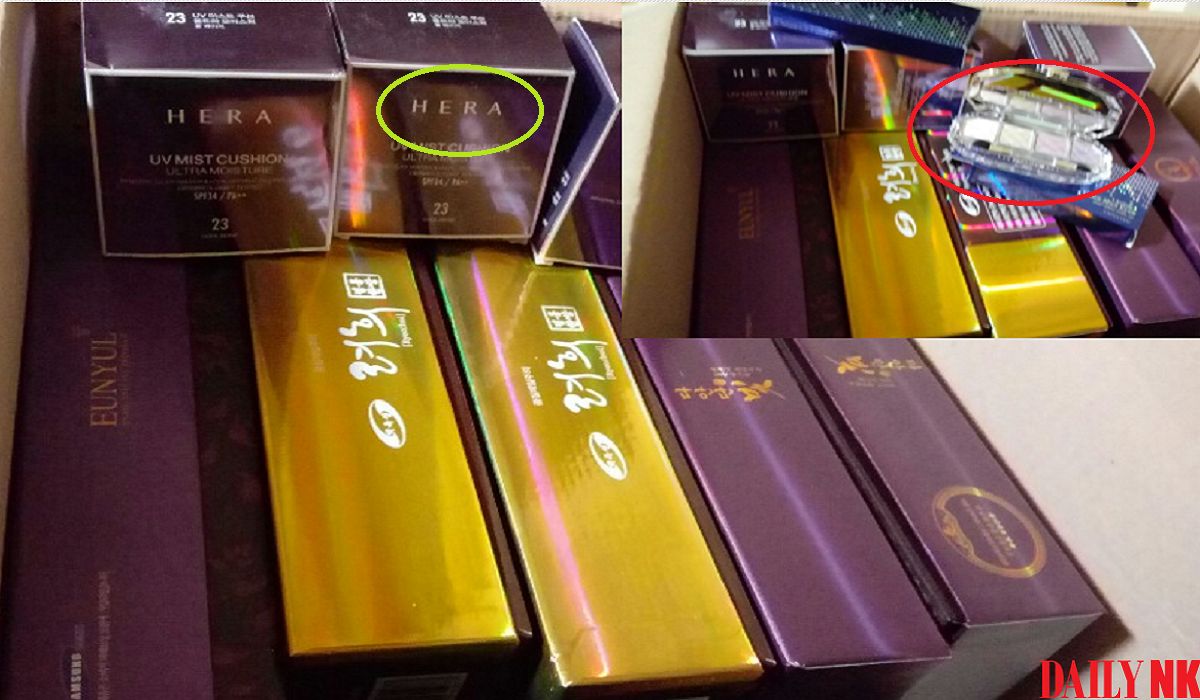
The Rise of South Korean Cosmetics Among North Korean Women
In recent years, a noticeable shift has emerged among women in North Korea, particularly in regions like South Hamgyong Province. Many are now prioritizing South Korean cosmetics over domestic alternatives, which have long been viewed as subpar. This trend indicates not only a change in consumer preferences but also a significant cultural transformation.
Changing Perspectives on Cosmetics
While the North Korean brand “Eunhasu” was previously considered the top local choice, market offerings labeled as “8.3” (privately manufactured goods) are frequently regarded as unreliable. As a result, more women are expressing a willingness to forgo basic necessities in order to save for authentic South Korean products, which they perceive as superior.
The Personal Sacrifice
For middle-aged women with stable financial situations, obtaining South Korean cosmetics has evolved into a significant aspiration and a marker of social status. Despite the high costs—a basic skincare set can range from 70,000 to 100,000 North Korean won (comparable to 10 kilograms of rice)—many are cutting back on household essentials, including firewood and food, to fund these beauty purchases.
A Shift Towards Self-Care
This cultural evolution has enabled women to openly discuss self-care, shifting the focus from solely tending to family needs to recognizing their own desires for personal well-being. Reports indicate that women now feel empowered to display their South Korean cosmetics, with many choosing to showcase their collections in private spaces for trusted friends.
Wider Accessibility
Historically, the use of South Korean cosmetics was largely confined to the affluent. However, brands like Sulwhasoo have gained notable traction among women from modest yet stable economic backgrounds. Ownership of at least one product from this luxury line is increasingly viewed as a symbol of living well.
Empowerment Through Cosmetics
The growing preference for South Korean beauty products underscores a transformative shift in how North Korean women perceive themselves and their roles. What was once an indulgence reserved for the wealthy is becoming a vital avenue for personal empowerment and self-esteem, signifying much more than mere aesthetic enhancement.
