


The Emergence of Women’s Professional Sports Leagues
The landscape of women’s professional sports is evolving rapidly, with new leagues emerging to meet the growing demand for women’s athletics. Among these initiatives is the Women’s Professional Baseball League (WPBL), co-founded by Justine Siegal and Keith Stein, who are setting out to establish the first professional women’s baseball league in the U.S. in 70 years.
A Strategic Launch
Siegal and Stein’s approach to launching the WPBL was informed by extensive research into existing women’s leagues. This groundwork helps ensure a sustainable and profitable operation as they aim to capture audience interest in a market increasingly receptive to women’s sports.
Financial stability hinges on mainstream visibility, which includes offering competitive salaries to attract top talent. However, experts caution that simply having televised games is insufficient for success. Effective branding, community engagement, and a robust social media presence are also critical components of a successful league.
Heightened Interest in Women’s Sports
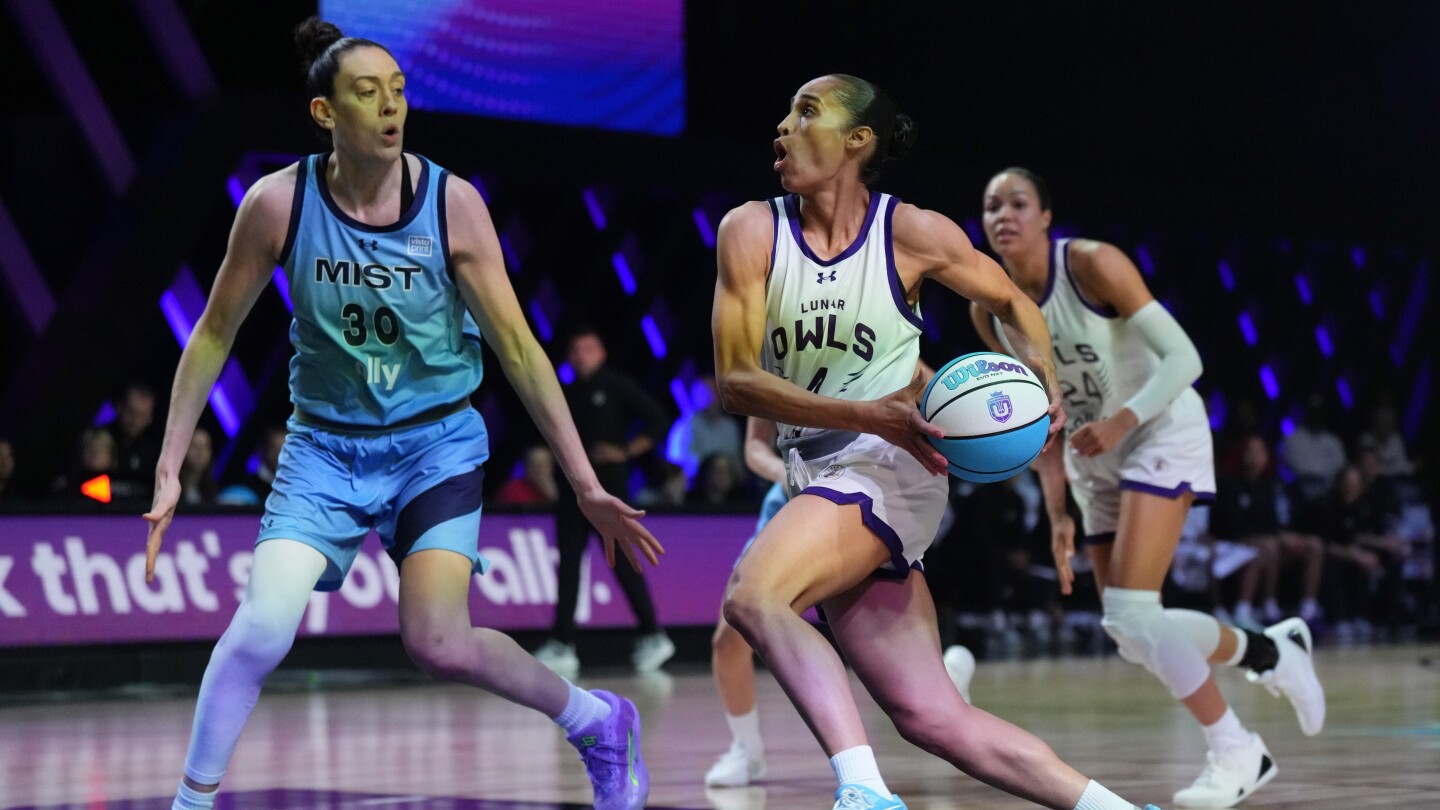
The past three years have seen the establishment of at least eight women’s professional leagues, including Unrivaled—a rapid 3-on-3 women’s basketball league launched recently—and the new Professional Women’s Hockey League, which capitalizes on a burgeoning fan base. Basketball leads the charge, with figures like Caitlin Clark becoming prominent names and helping to draw record audiences to the WNBA.
“A pipeline exists of elite female athletes ready to showcase their skills, and an eager fan base ready to support them,” Siegal remarked.
Baskeball’s Dominance
In addition to the WPBL, notable leagues like the PWHL and the Gainbridge Super League in soccer have launched recently. The Unrivaled league concluded its first season with average player salaries around $200,000, the highest in women’s professional sports. The league garnered significant fan attention, with over 11.9 million viewers watching its games.
“We realized that success would follow if we featured top-tier players,” noted Alex Bazzell, Unrivaled’s president.
Despite the rising popularity of women’s leagues, the path has historically been fraught with difficulties. The WNBA embarked on its journey 29 years ago and continues to strive for visibility and fan support, recently negotiating improved travel arrangements and pressing for higher salaries.
The Broader Market Context
With unprecedented growth in viewership and fan engagement, recent successes indicate a more favorable climate for women’s sports. The National Women’s Soccer League (NWSL) secured a $240 million media rights deal due to rising attendance, while the WNBA celebrated its best attendance in over two decades along with a lucrative 11-year media deal announced in 2024.
Market analysis from Parity, a notable women’s sports marketing platform, highlights that increasing visibility through streaming services presents a unique opportunity for new leagues to flourish by linking directly with fans.
Challenges Ahead
As numerous leagues enter an increasingly crowded field, distinguishing themselves remains crucial. John Kosner, a digital and sports consultancy leader, stresses that distribution alone does not equate to viewership. Therefore, leagues must invest in effective branding and community relations.
The PWHL’s “Takeover Tour”—a series of events in markets without hockey teams—demonstrates innovative strategies for fan outreach. Furthermore, leagues are prioritizing the health and welfare of their athletes, with structures in place to support them beyond just their on-field performance.
“While challenges remain, I am optimistic about the progress we are witnessing,” stated LOVB’s president, Rosie Spaulding, emphasizing the importance of being athlete-centered.
Conclusion
The recent growth of women’s professional sports leagues not only reflects increased societal acceptance and support for female athletes but also symbolizes an emerging market ripe with opportunities. With strategic planning, strong community ties, and ongoing media engagement, these leagues are poised for a promising future.
