


The Rise of Misogyny: Understanding the Manosphere and Incel Culture in India
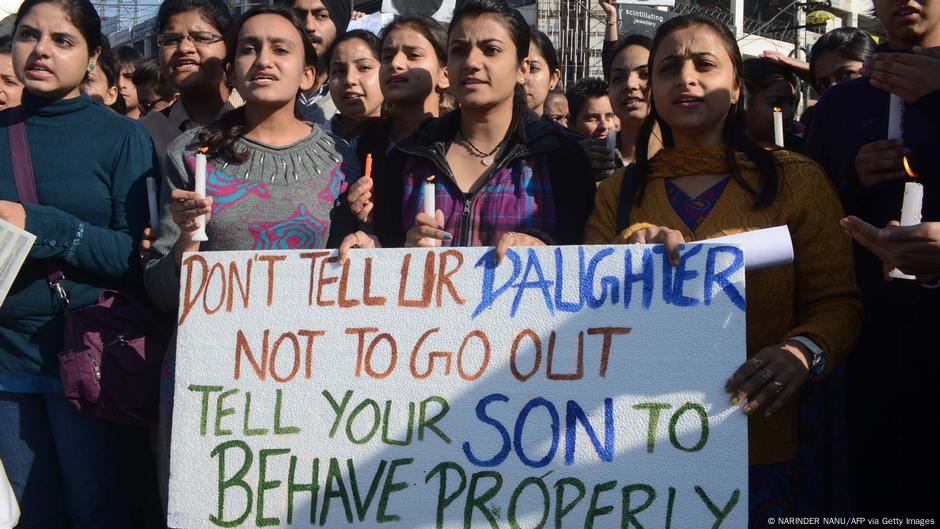
The experiences of young women in India are increasingly impacted by misogynistic ideologies propagated through online platforms. Stories like that of Harshita*, who faced emotional manipulation in a relationship influenced by Andrew Tate, highlight this worrying trend.
The Allure of Misogynistic Influencers
Initially, Harshita’s relationship appeared promising. However, it soon revealed troubling aspects as her partner frequently referenced Andrew Tate, a controversial figure known for his anti-feminist and misogynistic views. “Whenever we talked, he’d bring up Andrew Tate,” she reflected. “At first, I brushed it off, but it became clear he was deeply misogynistic because of Andrew Tate.”
Tate’s prominence in the “manosphere”—a network of online communities advocating for male dominance—has attracted many impressionable young men. His ideology promotes hypermasculinity, which resonates despite serious allegations against him, such as human trafficking and sexual assault.
The Impact of Emotional Manipulation
Harshita’s relationship deteriorated due to her partner’s controlling behavior, including monitoring her social media and making disparaging comments about her sexual past. Despite his own history, he dismissed women with “a sexual past,” labeling them unworthy for serious commitments. “He would say things like, ‘Girls like that are only for dating, not for marriage,'” she recalled. This hypocrisy was glaring to Harshita.
A pivotal moment occurred when she questioned whether he would date someone with a similar sexual history to his own; his response was a definitive no. This double standard exemplified the insidious nature of the beliefs being perpetuated in contemporary dating culture.
The Alarm of Incel Culture
As violence against women rises in India, the growing acceptance of incel culture among young men raises significant concerns. Incel, short for “involuntary celibate,” refers to men who feel deprived of romantic or sexual relationships, often blaming feminism for their plight. Dr. Chinchu C., a psychologist, warns that the ideologies from the manosphere are increasingly becoming mainstream. He states, “The manosphere propaganda gives men simple-sounding answers, for example, blaming feminism for why they struggle to find relationships.”
Seeking Validation in Misogyny
Individuals like Akashdip Singh represent a subset of young men who resonate with Tate’s ideals. He expresses a grim outlook on modern dating, suggesting that women are more interested in validation than meaningful connections, while men are left feeling used. Singh claims, “Women are just seeking validation, and men are only after sex. It’s a losing battle for men,” attributing this dynamic to a skewed version of feminism.
This cultural landscape fosters a breeding ground for misogyny, with a considerable impact on dating perceptions. A recent study indicated that Tinder features a male-to-female ratio of 78% to 22%, amplifying men’s frustrations about being overlooked in favor of a select group of partners.
The Indian Manosphere and Its Followers
As global figures like Tate gain substantial followings among Indian youth, local influencers echo similar sentiments. Dr. Chinchu cites figures like Dev Tyagi, who, before his accounts were taken down, propagated toxic masculinity through his content. Influencers such as Elvish Yadav and Ranveer Allahabadia have also integrated manosphere ideas into their platforms, creating an environment where such rhetoric flourishes.
Understanding the Psychological Underpinnings
Many young men grappling with issues such as sexual frustration often resort to self-labeled identities like “currycel,” a derogatory term used in India. Dr. Samir M. Soni, who has studied online incel culture, notes that while valid frustrations exist within this demographic, the misdirected anger towards women overlooks the real challenges: adherence to societal standards of masculinity.
Emotional Consequences for Women
Women, like Harshita, often find themselves contending with the emotional fallout from these pervasive misogynistic narratives. Child psychotherapist Ambika Singh explains that the dehumanizing language directed at women creates anxiety and disrupts personal well-being. Various studies indicate that reported crimes against women in India have surged by 23.7% from 2017 to 2022, reflecting a dangerous trend.
The ramifications can lead women to dissociate from romantic relationships for self-preservation. Singularly focused on mental peace, some choose to prioritize their autonomy over potentially harmful connections. As one woman, Jasleen, articulated, “After this relationship, I stayed single for several years as a conscious attempt to decenter romantic relationships in my life.”
*Name changed on request
