


The Rise of ‘Recession Blonde’: A Smart Haircare Solution Amid Economic Uncertainty
As economic pressures continue to mount, many women across the United States are redefining their haircare routines. The ‘recession blonde’ trend, characterized by low-maintenance haircuts and color techniques, is gaining popularity as a way to maintain style without breaking the bank.
Facing Financial Realities
Take Rachael, a 27-year-old who recently made the decision to part ways with her hairstylist due to the soaring costs associated with maintaining her blonde hair. “I could buy a plane ticket to Europe with one hair appointment,” she shared with DailyMail.com, illustrating the difficult choices many face today.
This sentiment resonates with countless others as women discover they’re becoming “too broke” for high-maintenance salon treatments. The emergence of ‘recession blonde’ offers a solution, combining style with savings.
What is ‘Recession Blonde’?
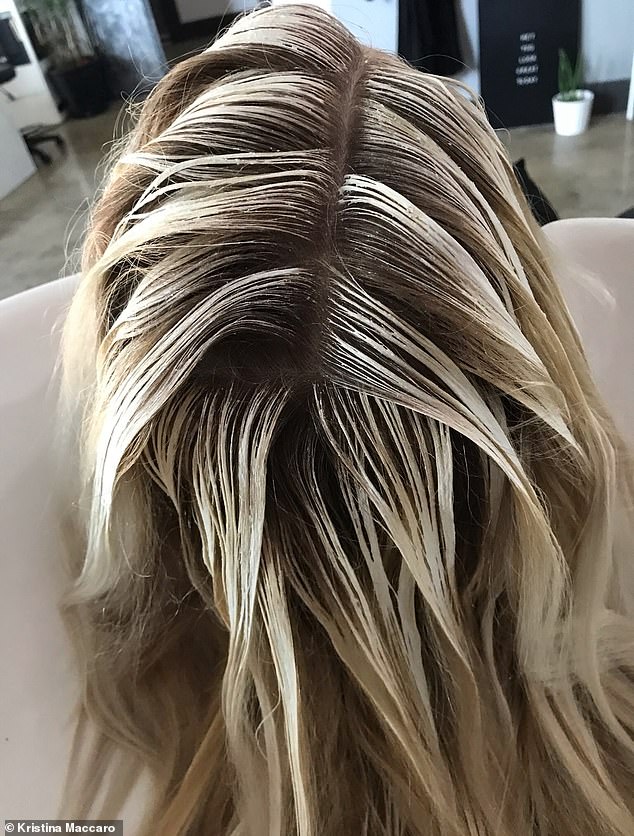
‘Recession blonde’ refers to hair colors and cuts that require minimal upkeep, allowing individuals to tone down their beauty spending amidst economic challenges. On social media platforms like TikTok, users are showcasing hair transformations that highlight their natural roots, encouraging a more relaxed approach to hair maintenance.
Despite the trend’s focus on affordability, many individuals are opting for subtler shades of blonde rather than abandoning hair dye altogether. Experts note an increase in clients who are requesting these more manageable services and suggest that this trend may have lasting appeal.
Real-Life Transformations
Take Kate Ross, a 25-year-old PR manager from New York City, who spent years maintaining her platinum blonde look—up to $2,100 annually on frequent salon visits. In light of rising living costs, she switched to a warmer, softer blonde and now pays just $150 for fewer visits, saving over $1,000 a year.
“With rising costs – rent, groceries, everything – I needed to cut back without losing my style,” Kate explained.
Salon Strategies for Budget Conscious Clients
Jessica Ruby, a seasoned stylist at The Flamingo Lounge in Los Angeles, has noted similar patterns among her clients, calling attention to their need for more affordable haircare solutions. She has introduced flexible pricing for her services, offering a sliding scale where clients can pay what they can afford.
Stylists report that popular recession-proof styles include:
- Hand-painted balayage
- Reverse balayage
- Money pieces highlighting
- Gloss treatments for added shine
While these treatments can still range between $200 and $400, the reduced frequency of salon visits can translate into significant savings over time.
The Bigger Picture
A 2024 report from Advanced Dermatology revealed that the average American woman spends approximately $1,064 annually on beauty treatments, with a significant portion dedicated to hair coloring and cuts. Yet troubling trends emerge, as one in six women admitted to overspending on beauty products, sometimes incurring debt to maintain their appearance.
Kristina Maccaro, who manages Love Lane Salon in Jersey City, believes the trend towards budget-friendly haircare is threefold, with clients reassessing their spending in light of family responsibilities and rising bills.
“One of the things we’re hearing a lot right now is just how to be more cost-effective,” Kristina noted.
Voices from the Community
Another example comes from Hope, a 25-year-old database manager, who turned to a reverse balayage in response to the threat of job loss. By opting for more manageable hair color, she minimized salon visits to just twice a year, adapting her routine without sacrificing her style.
Across the haircare landscape, many women are experimenting with DIY options, turning to at-home treatments and beauty products that offer salon-quality results without hefty price tags. This includes hair glossing kits and beauty ‘dupes’ that replicate high-end products affordably.
Conclusion: A Lasting Trend?
While the economic climate remains uncertain, the ‘recession blonde’ trend represents a broader shift in attitudes towards self-care and budgeting in the beauty industry. Both hairstylists and clients believe that this style not only offers a more cost-effective solution but also enhances natural beauty by allowing for softer transitions in color.
As we move forward, it’s clear that not only is this trend practical, but it may also be here to stay—offering a sustainable approach to beauty amid fluctuating economic landscapes.
