


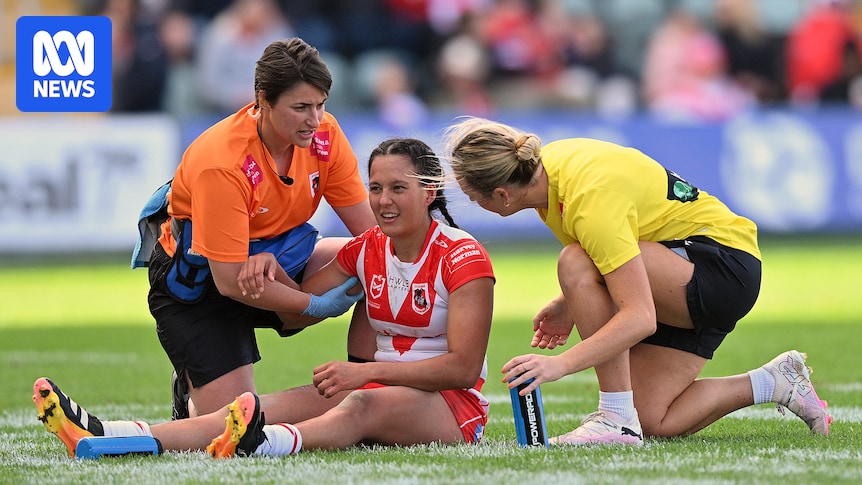
Investment in Medical Staff Crucial for Women’s Sports Development
An acute shortage of investment in physiotherapists and specialized support staff within women’s sports is increasing athletes’ risks of injury and limiting their professional growth, as reported by various club representatives.
Sources from multiple women’s sports clubs have informed ABC Sport that the loss of qualified physiotherapists, strength and conditioning coaches, and high-performance managers is largely due to inadequate pay and job security.
Cronulla Sharks Incident Highlights the Issue
The issue gained widespread attention when the Cronulla Sharks faced backlash for advertising a volunteer physiotherapy position for their women’s team. The role required substantial commitments including multiple training sessions and match-day duties without proper remuneration.
In response to criticism from the physiotherapy community and the NRLW network, which deemed the job listing “exploitative,” the Sharks adjusted the role’s previously presented terms, acknowledging the misunderstanding.
“We can put up our hand and apologise,” stated Cronulla’s chief executive, Dino Mezzatesta. “It comes across as a volunteer role, but it’s always had attached to it an honorarium for that period of time.”
The Need for Specialized Knowledge
Laura Bashford, head of high-performance at Essendon Royals NPLW and Port Melbourne VFLW, emphasized the importance of having knowledgeable medical and support staff who understand the unique physiological requirements of female athletes. She noted that in-depth discussions surrounding health issues unique to women, such as menstrual cycles and pelvic floor dysfunction, are essential for building trust and rapport with athletes.
“Support staff who can build trust and rapport with their athletes are crucial,” Bashford explained. “Having consistent staff who understand athletes’ history allows for more tailored and meaningful support.”
Bashford added that the emphasis on relationship-oriented coaching in women’s sports is increasingly beneficial, contributing to both individual and team accomplishments.
Challenges Faced by Support Staff
Despite advancements in areas such as player salaries and contractual conditions in leagues like the AFLW and NRLW, there remains a significant gap regarding the resourcing and support for staff. Many medical professionals are forced to seek supplemental income through secondary jobs, limiting their availability and effectiveness.
Restrictions imposed by salary caps also hinder clubs’ abilities to invest adequately in quality support staff, affecting overall team performance and athlete safety.
Injury Prevention: A Key Concern
The reliance on dedicated medical staff for effective body management was particularly highlighted during last season’s condensed schedule in the AFLW, where players faced an increased risk of injury amid tight game schedules. This intensified the need for consistent and well-trained support staff.
For example, during this compressed fixture, injuries were frequent, including notable cases involving Collingwood’s Brit Bonnici and North Melbourne’s Emma Kearney, who both faced significant injuries during a short period.
Research conducted by Deakin University revealed that women’s players are disproportionately affected by injuries, especially ACL-related issues, which further stresses the need for serious investment in preventative strategies.
Conclusion: A Call for Action
In conclusion, the conversation surrounding investment in women’s sports must expand to include the medical and support staff who play a critical role in athlete welfare and performance. Without adequate resources and investment, the risk of exacerbating the challenges faced by female athletes remains alarmingly high.
The ongoing dialogue among various stakeholders is crucial to ensuring sustainable growth and success for women in sports.
