


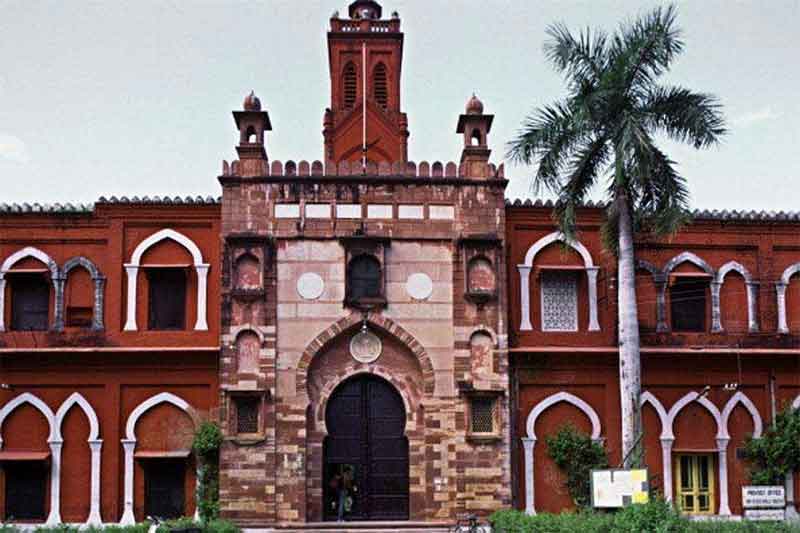
Student Mobilization at Aligarh Muslim University: Challenges and Opportunities
The Context of Protests
Recent protests at Aligarh Muslim University (AMU) mark a significant moment in student activism, catalyzed by a controversial fee increase. The Academic Council, responding to intense student pressure, has now limited the fee hike to 20%. The protests have also seen the resignations of administrative figures, including deputy and assistant proctors, revealing the potency of organized student action. Central to these protests is the call for the restoration of the Aligarh Muslim University Students’ Union (AMUSU), which has not functioned for six years.
Rethinking AMUSU
While the demand for AMUSU’s revival resonates throughout the campus, it is crucial to approach this restoration thoughtfully. A simple return to previous structures may perpetuate existing issues rather than solving them. Reflecting on past grievances and inequities within AMUSU could shape a more inclusive future.
Gender Representation and Political Culture
AMUSU’s political landscape has historically been dominated by male leadership, despite a nearly equal student body gender ratio. In the last elected cabinet (2018–19), only 20% were women, demonstrating a systemic exclusion that recalls the urgent need for equitable representation.
The term “dalal,” which translates to “broker,” carries troubling connotations in this context. More than an insult, it reflects a deeper, troubling dynamic within student politics—one that sexualizes dissent and leverages gendered morality in political discourse.
Revisiting Political Discourse
Such terminology reinforces a culture that limits women to passive roles in political dialogue, framing them as symbols of honor rather than as political agents. This skewed perception inadvertently marginalizes effective discourse, transforming profound political disagreements into personal vendettas.
The Mechanisms of Exclusion
The political culture within AMUSU often rewards a hyper-masculine approach to leadership, where integrity is portrayed as a contest against an imagined moral failing embodied by terms like “dalal.” This environment can alienate women and underrepresented voices, perpetuating a cycle of exclusion.
Moving Forward: A Call for Inclusivity
As AMU students advocate for a revitalized student union, they have the opportunity to reshape not just the structure of AMUSU, but also the very culture that informs its politics. This change could signal a shift away from outdated power dynamics and an invitation for all students to engage meaningfully in the democratic process.
Rejecting the binary thinking of protectors versus traitors, the AMUSU of the future may benefit from an inclusive approach that values all voices equally, particularly those historically sidelined. By dismantling the honor economy that has perpetuated male dominance, the union could become a more democratic platform for genuine representation.
