


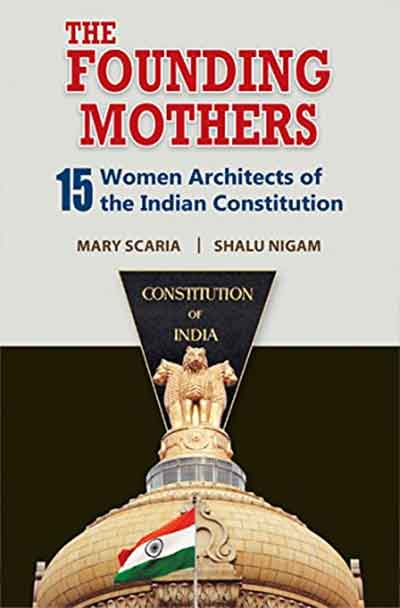
Revisiting the Founding Mothers: A Nuanced Perspective on Early Indian Feminism
When discussing the Founding Mothers of the Indian Constitution, particularly in educational forums and organizations, concerns often arise regarding the elite backgrounds and foreign education of these women. Some critics argue that perceiving maternalism as part of feminism may undermine the feminist movement. Rather than delving into the historical engagement of women during colonial times, these critiques are predominantly centered on the perceived lack of representativeness among these prominent figures.
The Broader Context of Critiques
This article contends that while the critiques surrounding the privileged backgrounds of these women have their merit, they frequently dismiss essential historical circumstances. During colonial rule, these women engaged in collective activism that fundamentally shaped the discourse of gender justice. By scrutinizing them more harshly than their male counterparts, critics inadvertently maintain a gendered double standard and overlook the significant contributions South Asian women have made to both domestic and global human rights discussions. The argument posits that a narrow focus on elite origins can obscure the considerable legacy these women have established in their pursuit of gender equality, thereby failing to question ongoing male dominance.
The Class Dynamics of Early Feminism
Historically, numerous scholars have acknowledged that much of the early leadership within the Indian women’s rights movement came from the socio-economic elite. Figures such as Hansa Mehta, Rajkumari Amrit Kaur, and Sarojini Naidu are often highlighted as examples of upper-caste, urban women with Anglicized perspectives. Critics argue that such backgrounds likely limited their understanding of the experiences of the majority of women in India.
However, the concept of elitism is intricate and requires context. These women challenged the oppressive power structures that affected not only themselves but also the broader populace. Their privileged status should not overshadow their efforts to influence wider societal movements.
Impact Beyond Socio-Economic Backgrounds
While many early feminist leaders hailed from affluent backgrounds, their contributions extended beyond social class. For instance, Hansa Mehta’s advocacy was pivotal in drafting gender-inclusive language in the Universal Declaration of Human Rights, replacing the phrase “all men” with “all human beings.” Similarly, Rajkumari Amrit Kaur played a key role as India’s first Health Minister, focusing on public health adjustments that benefitted the vulnerable segments of the population.
Moreover, the visible presence of these women’s contributions in constitutional and international human rights frameworks highlights their strategic use of social capital to advocate for principles of equality and justice—elements that remain crucial in contemporary discussions around gender rights and inclusive citizenship.
The Grassroots Movements
It is important to note that the contributions of numerous women from lower socio-economic backgrounds often remain obscured. Many engaged actively in protests and other forms of civil disobedience, pioneering grassroots movements critical for a unified struggle against colonialism and patriarchy. Their stories, however, are seldom recorded in mainstream historical accounts.
Acknowledging the Diverse Struggles
While critiques exist surrounding early feminist movements regarding their alignment with the collectivist ethos of Indian society, it is essential to analyze these critiques through the lens of the era’s political complexities. Women leaders navigated a colonial government, a patriarchal society, and emerging global institutions, requiring a careful balance of advocating for legal reforms while countering colonial narratives.
Consequently, an inclusive historical framework is necessary—one that recognizes both the internationalist actions of these female leaders and the grassroots activism of countless unnamed women who contributed to a much broader narrative of gender justice.
The Legacy of Women in the Constituent Assembly
Despite the criticism surrounding their elite status, the involvement of women leaders in the Indian Constituent Assembly marked a significant step towards political inclusion. These women showcased courage, actively participating in the assembly debates and advocating for social reforms that reflected the aspirations of diverse constituencies.
The historical context cannot be ignored; low female literacy rates and deep-seated patriarchal norms limited women’s public roles. Their leadership emerged as a response to these barriers, serving both as a challenge to colonial authority and as an assertion of women’s rights.
Addressing Systemic Challenges
The underrepresentation of women in key political roles continues to persist today, reflective of systemic barriers that remain ingrained within societal structures. Despite the rise in female literacy rates and increased workforce participation, leadership roles in various sectors remain disproportionately occupied by men.
The introduction of the 73rd Constitutional Amendment mandated women’s reservations in local governance; however, many elected female representatives still navigate proxy challenges imposed by male relatives, diluting genuine democratic engagement.
Feminism and Maternalism in Historical Context
Some critics argue that integrating maternalism into feminism dilutes its core values. Yet, during the struggle for independence, maternal rhetoric served as a potent strategy, enabling women to assert their rights within the public sphere. This interplay between maternal identity and activism profoundly influenced gendered citizenship concepts.
Recognizing Contributions and Reevaluating History
It is crucial to approach the histories of these pioneering women with nuance. Their roles in shaping the Indian Constitution and advocating for reforms were not merely maternal or elitist endeavors; they harnessed their privileges to advocate for universal reforms that transcended class and caste boundaries.
Moreover, acknowledging the pervasive representation gaps in the historical accounts of women’s movements is imperative. By recognizing the essential role played by both elite and marginalized women, we enrich our understanding of the feminist narrative in India.
Conclusion
By revisiting the contributions of these Founding Mothers, we not only correct historical erasures but also inspire future generations toward inclusive leadership. The omissions from mainstream narratives reflect a persistent imbalance in recognizing women’s roles in nation-building. Acknowledging their stories reinforces the constitutional values of justice, equality, and fraternity, thereby illuminating the pathways for future feminist struggles.
Instead of relegating their contributions to the margins, let us honor them as integral pillars in India’s journey towards a just and equitable society.
