


Understanding the Historical Context of Women’s Pain Management
Women’s pain has frequently been overlooked in the medical field, a phenomenon attributed to longstanding gender biases. Experts highlight that this issue is rooted in a male-dominated history of medicine, which has often led to the minimization or dismissal of women’s pain experiences.
“Historically, medicine has been very male-driven,” says Kim Hoover, an ob-gyn at the University of Alabama at Birmingham and a member of the ACOG clinical consensus committee. “Now, more female physicians are out there, giving voice to their patients.”
The Financial Factors Behind Pain Management Disparities
Aside from historical biases, financial considerations also significantly impact pain management for women. According to a review published in the February issue of the AMA Journal of Ethics, insurance reimbursement rates for gynecologic procedures are notably lower than those for urology or dermatology. This disparity means that gynecologists may lack the necessary resources to employ ancillary staff for procedures like in-office anesthesia.
Further complicating the landscape is the high cost of innovative pain management strategies. As noted by expert Pope, “If there’s something new and there isn’t a huge demand for it, it doesn’t get brought in.” This lack of demand can hinder the adoption of newly developed pain relief methods within healthcare systems.
Conflicting Research on Pain Management Approaches
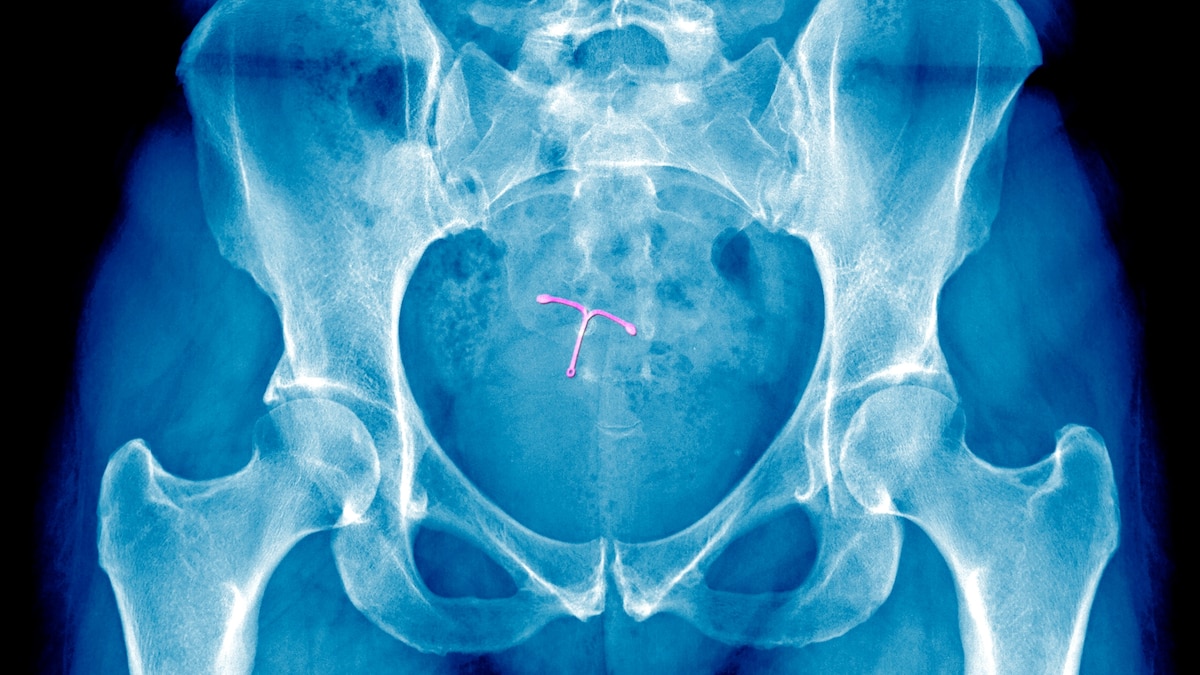
The complexity of pain management is further exacerbated by research that has produced mixed results regarding various strategies. Real-world scenarios often yield unpredictable outcomes. For instance, King reflects on her experience, stating, “When I had an IUD placed with a cervical block, it didn’t help at all. It was exceedingly painful.”
Faced with these challenges, the medical community continues to seek better solutions to address women’s pain adequately and effectively. As more female healthcare providers enter the field, there is hope for improved awareness and advocacy concerning this critical issue.
