


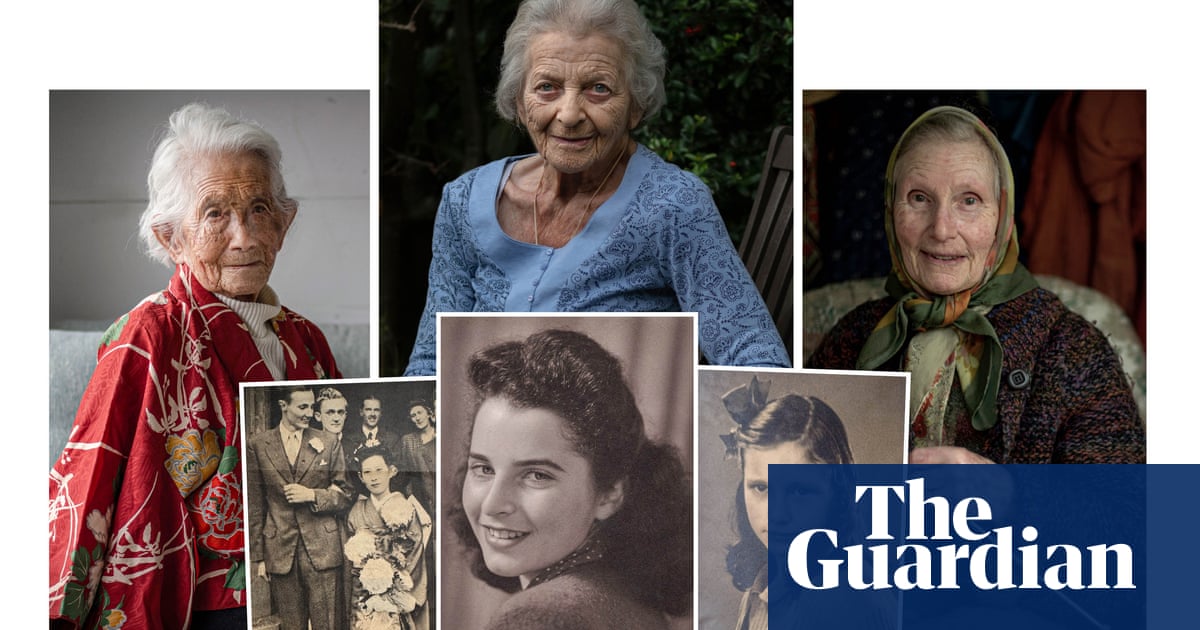
In light of Covid-19 restrictions in 2020, a heartwarming initiative was launched to foster connections among elderly neighbors. This project involved participants displaying cards that represented the age they felt inside, sparking a series of captivating life stories and reflections from different generations.
The Impact of War on Resilience
This project highlighted a generation of women profoundly influenced by the experiences of war. Many were evacuated from their homes, separated from their parents for extended periods, and faced the harsh realities of life during conflict. Their responses often demonstrated a unique mindset marked by resilience and community spirit. When asked, “How are you today?”, a common reply was, “Oh, you know, I have my moments, but you’ve just got to get on with it, haven’t you?”
Personal Stories of Evacuation and Endurance
Ruby
Ruby, evacuated to Somerset at the age of four, vividly recalls the fear of air raids and the scarcity of food. Despite her childhood fears, Ruby remains active and engaged, walking everywhere and volunteering at a hospice.
Norma
Norma, born in the East End of London, was relocated during the bombings. Her educational journey took her to the Royal College of Music, though her present preference leans toward listening rather than playing due to her declining eyesight. She practices ashtanga yoga daily, a routine she has maintained for nearly four decades.
Annie
At seven, Annie was sent to a Welsh-language boarding school and later lived with her eccentric grandmother. Now residing in sheltered housing in Birmingham, she has introduced a delightful pre-dinner ritual of vodka and tonic among her neighbors.
Fran
Fran spent her childhood in rural Wales after being evacuated from Swindon. Following a career in education, she now enjoys life on her own farm in Cornwall, where she breeds Dexter cows.
Patricia
Patricia’s evacuation journey took her to Barrow-in-Furness, where she adapted to life without modern amenities. Memories of family outings to the beach remain dear to her, and she cherishes the simplicity of those moments.
Irena
Irena’s early years in Lviv turned tragic when her family faced persecution during the war. After enduring unimaginable hardships, she credits her mother as a heroine for their survival, describing herself simply as a survivor.
Christabel
Christabel and her sisters were relocated to Sussex during wartime chaos. Their childhood included hands-on experiences with farming life, which shaped her enduring connection to nature and livestock.
Camille
Camille recalls the bombings during her childhood and the impact on her family. Despite the challenges, she maintains a positive outlook and is preparing to relocate to be near her children.
Caroline
Caroline experienced the roar of bombers over her home in Surrey, yet fondly remembers her adventurous childhood amidst the turmoil as her family helped refugees.
Eve
Hailing from Liverpool, Eve trained as a midwife and wasn’t immune to the war’s impacts. Following the destruction of her house, she moved with her sister to the countryside, where they remembered the resilience of life even amidst chaos.
Beryl
Evacuated from Catford, Beryl’s memories include the warmth she experienced from a kind couple in Kent who cared for her during her formative years. She enjoys a close bond with her extensive family today.
Gill
Gill grew up near Oxford, avoiding major bombing raids yet engaging in her community through her mother’s grocery business, ensuring others had enough to eat during the war.
Lindsay
Lindsay faced a challenging upbringing after the loss of her parents, yet she found purpose and joy through dance and a successful career in munitions during the war.
Michiko
Born in Kobe, Japan, Michiko’s life journey brought her to England after a marriage to an English officer. Currently living in a converted railway carriage, she reflects on her unique experiences as an interpreter and mother.
Conclusion
The project “Quietly Getting On” celebrated these inspiring narratives, capturing the resilience and strength of women who endured the trials of war, creating a rich tapestry of life experiences. It was recognized through selections for prestigious awards, including the Taylor Wessing portrait prize at the National Portrait Gallery in 2022, and for the Julia Margaret Cameron prize.
