


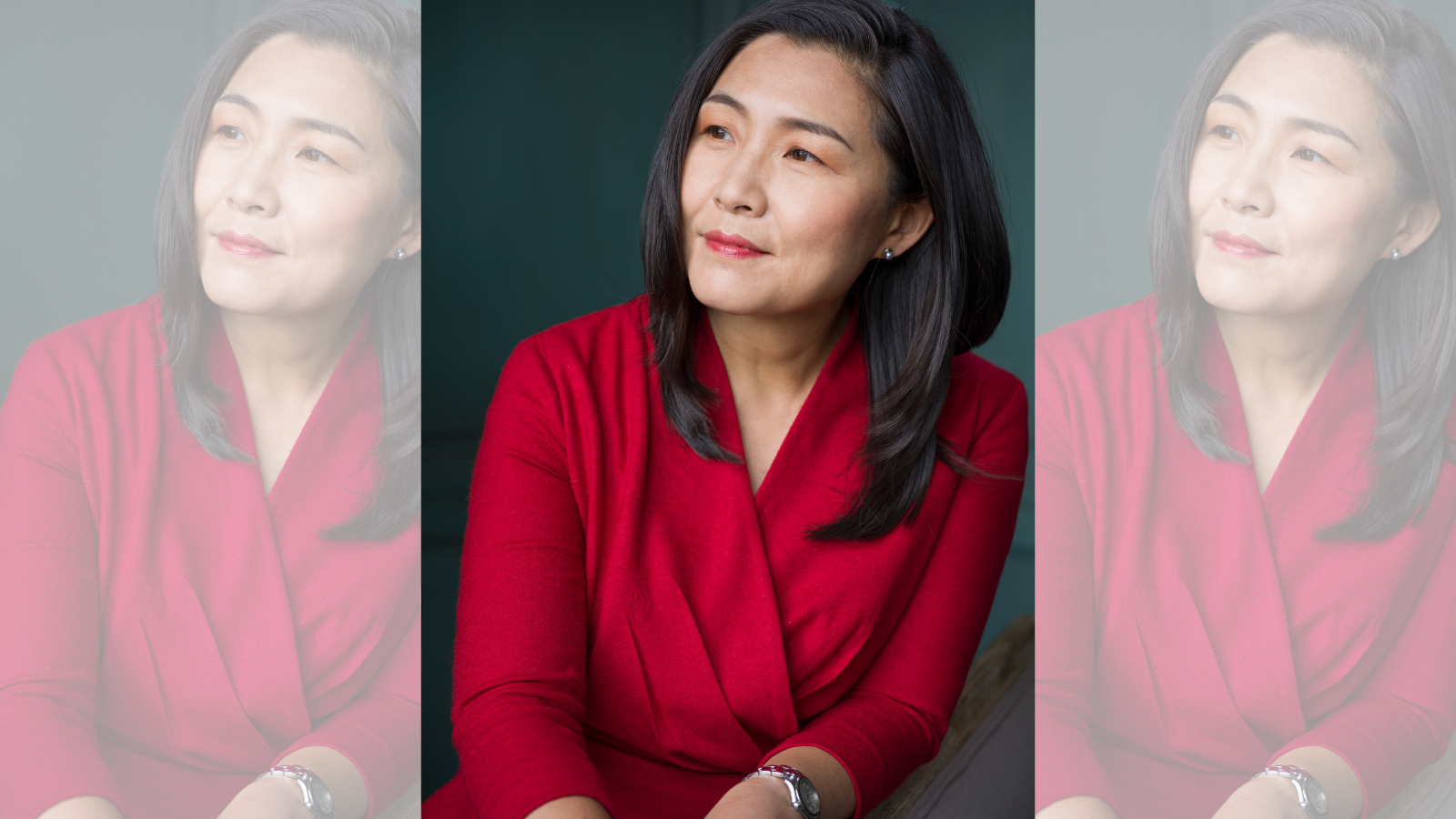
Addressing Gender Inequality in U.S. Democracy: Insights from Julie Suk
Understanding the Persistence of Gender Inequality
In the inaugural episode of the podcast Looking Back, Moving Forward, legal scholar Julie Chi-hye Suk emphasizes that while women have gained formal voting rights and legal equality, significant barriers still hinder their genuine participation in decision-making roles. Suk, a distinguished research scholar at Fordham University School of Law, argues that existing institutional frameworks continue to marginalize women in political processes.
Constitutional Change for Gender Parity
In her recent work, After Misogyny: How the Law Fails Women and What to Do About It, Suk explores the need for constitutional reforms that facilitate a more inclusive democracy. She advocates for a “constitution of care” that values women’s contributions, suggesting that enhancing representation is vital for achieving true equality.
The Role of Institutions
Suk points out that the current structure of U.S. representative institutions, such as the Senate and the Electoral College, creates substantial disparities in representation. She notes that modern democracies typically employ systems allowing for a national popular vote, unlike the U.S., where the outcomes can diverge significantly from the popular vote.
“If we were, in fact, not discriminating and not perpetuating anti-democratic or oppressive dynamics, you would expect gender parity in decision-making positions to emerge naturally,” Suk states.
Gerrymandering and Its Consequences
Suk emphasizes that gerrymandering further complicates efforts toward reform, resulting in entrenched power structures that limit opportunities for diverse candidates. This stranglehold on representation not only undermines democratic principles but also diminishes the potential for genuine change regarding women’s rights and other marginalized groups.
International Perspectives on Gender and Politics
Suk draws comparisons to international examples, highlighting how other countries have navigated similar issues. For instance, some European constitutions include protections for mothers that acknowledge both their roles and challenges in society. She suggests that understanding these models may inform U.S. reforms.
Looking Ahead: Frameworks for a More Inclusive Democracy
To advance a truly equitable democracy, Suk calls for a reassessment of the U.S. constitutional amendment process. She argues for methods that would allow citizens a more direct role in shaping governance, such as popular referenda, which could help bypass unrepresentative legislative bodies.
“Unless and until we focus on structure and infrastructure by which power is exercised, we’re not going to make a lot of progress,” Suk stresses.
Conclusion
As the conversation around gender parity and democracy continues to evolve, Suk’s insights serve as a reminder of the intricate challenges facing women’s representation today. True equality requires a persistent effort to confront systemic barriers and innovate the legal frameworks that dictate political participation.
