


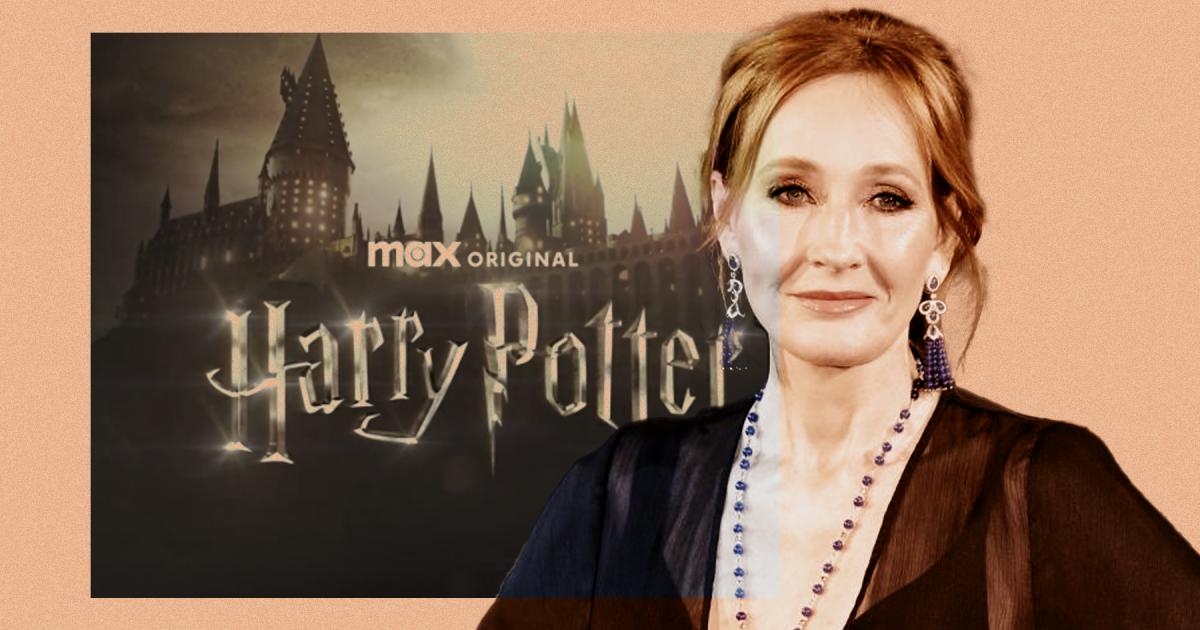
The Controversy of Gender Identity in Scotland: A Close Examination
The discourse around gender identity in Scotland has become increasingly polarized, characterized by deep-seated tensions between differing viewpoints. This article delves into the complexities of this debate, centering on prominent figures such as former First Minister Nicola Sturgeon and author JK Rowling.
Escalation of the Debate
The ongoing discussion about gender self-identification has often been portrayed as a zero-sum game, where victories for one side equate to losses for the other. Sturgeon has indicated that personal attacks against her regarding self-identification have intensified, particularly following Rowling’s public statements.
While Sturgeon suggested that a significant moment in this debate marked a decline in rational discourse, her assertion is open to interpretation. Regardless, it is undeniable that the atmosphere has become more charged.
Concerns Over Women’s Rights
Sturgeon’s approach to criticisms regarding self-identification has sparked controversy. During interviews, she has acknowledged women’s concerns but consistently framed these issues within the context of transphobia. This narrative has been echoed by other members of her government, such as Patrick Harvie, leading many to conclude that opponents of self-ID are being unfairly labeled as bigots.
This framing, which diminishes the complexity of many individuals’ concerns, can be deemed as a failure to respect those whose intentions stem from a desire to protect women’s rights. Critics have decried this tactic as harmful, further compounding the toxicity of the debate.
Trust Issues Amid Policy Changes
Sturgeon’s previous comments dismissing women’s concerns as “not valid” have raised questions about her commitment to understanding the implications of gender identity policies. Many women have expressed their discomfort over the potential for abusive individuals to exploit these policies, particularly in women-only spaces. The Scottish Government’s backing of a gender ideology perceived as controversial has exacerbated this feeling of vulnerability.
A pivotal moment that strained trust in the government’s stance was the case of Isla Bryson, a transgender woman charged with rapes prior to her transition. This incident has led many to question the government’s assurances regarding the safety of women under the new self-ID framework.
Reevaluating Approaches
In the wake of the escalating division, Sturgeon has publicly acknowledged her role in the deterioration of constructive dialogue, suggesting that a pause on the Gender Recognition Act might have been beneficial to find common ground.
Likewise, Rowling has faced severe backlash for her views, which have led to accusations of transphobia and persistent threats to her safety. The aggressive exchange between her and Sturgeon illustrates a broader pattern of radicalization in the debate, driven by relentless public scrutiny.
A Path Towards Reconciliation?
Both Sturgeon and Rowling have engaged in their respective advocacy for vulnerable groups, yet their methods have arguably fueled discord. Acknowledging their contributions to the ongoing hostility, it remains to be seen whether they can pivot towards a more diplomatic approach.
For reconciliation to occur, a genuine commitment to understanding all perspectives within this debate is essential. As Sturgeon contemplates her previous stance, there is a glimmer of hope for a more balanced dialogue that prioritizes both women’s rights and the rights of trans individuals.
Conclusion
The debate surrounding gender identity in Scotland is not merely a matter of policy; it is deeply personal and affects real lives. If leaders like Nicola Sturgeon and influencers such as JK Rowling can find a way to bridge their divides and initiate constructive conversations, it may pave the way for a more inclusive society.
Rebecca McQuillan is a journalist specializing in politics and Scottish affairs. Follow her on social media for more insights.
