


In an exciting development for women’s sports, the Women’s Professional Baseball League (WPBL) is set to launch its inaugural season in May 2026, marking the first professional opportunity for women in baseball in over 70 years. The league’s announcement resonates deeply with past generations and promotes a renewed interest in women’s baseball.
The WPBL held tryouts in August, attracting over 600 female participants. This revival echoes the legacy of the All-American Girls Professional Baseball League (AAGPBL), which operated during World War II from 1943 to 1954—a period that inspired the beloved sports film “A League of Their Own.”
Voices from the Field
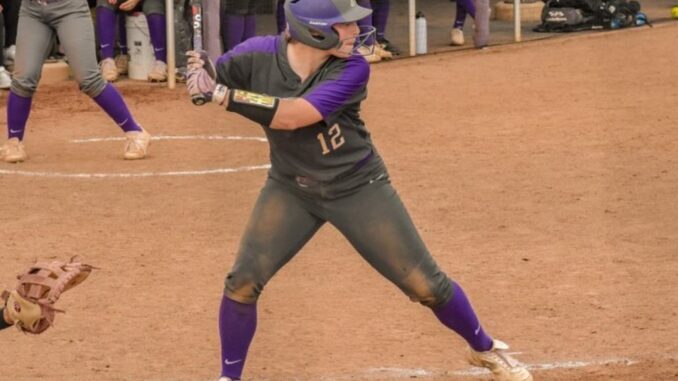
Grass Lake junior and softball player Alaina Brown shared her thoughts: “The return of women’s professional baseball is pretty cool. Watching ‘A League of Their Own’ as a child made this announcement resonate with me.” Likewise, Holland, Ohio junior Kiersten Wilkin expressed optimism for the league’s impact on women’s sports, stating she believes it will encourage more visibility and opportunities for female athletes.
Wilkin, who transitioned from baseball to softball due to gender dynamics during her youth, recalled the challenge of that shift. “Playing with boys became increasingly difficult as they grew stronger,” she said. “Switching to softball was a tough adjustment, and there are fundamental differences in the game.” Brown echoed the sentiment, noting the distinct style of pitching and game pace between softball and baseball.
New Horizons for Women’s Baseball
According to Baseball for All, approximately 100,000 girls play youth baseball in the United States; however, only around 1,400 of them continue to pursue the sport at the high school level. Many young women, similar to Wilkin, are forced to discontinue playing as opportunities dwindle in high school and collegiate athletics. Wilkin believes that the establishment of the WPBL could catalyze further opportunities, leading to the formation of additional leagues and greater recognition for women in baseball.
She drew parallels to the positive impact of the Athletes Unlimited Softball League (AUSL), which significantly increased interest in college softball. “I hope we can foster similar advocacy for women’s baseball,” Wilkin added. Brown acknowledged the challenges in establishing high school girls’ baseball teams due to existing structures but suggested that club leagues for women’s baseball could emulate the growth seen in club softball.
Building a Community
As girls often find themselves playing on boys’ teams, the lack of female-only opportunities can hinder their confidence and experience. Brown noted, “Playing with women would create a more comfortable atmosphere, and I think female athletes would appreciate having their own space.” The WPBL not only provides a platform for this community but aims to create a supportive environment, featuring approximately 15 players on six teams.
Wilkin also reflected on her experiences in baseball, highlighting the challenges of being labeled “the girl” in mixed-gender teams. “This framing affected how my teammates and opponents viewed me,” she recalled. “If I could have played with other girls from the start, it would have helped create a powerful community of women who share the same passion for the sport.”
