


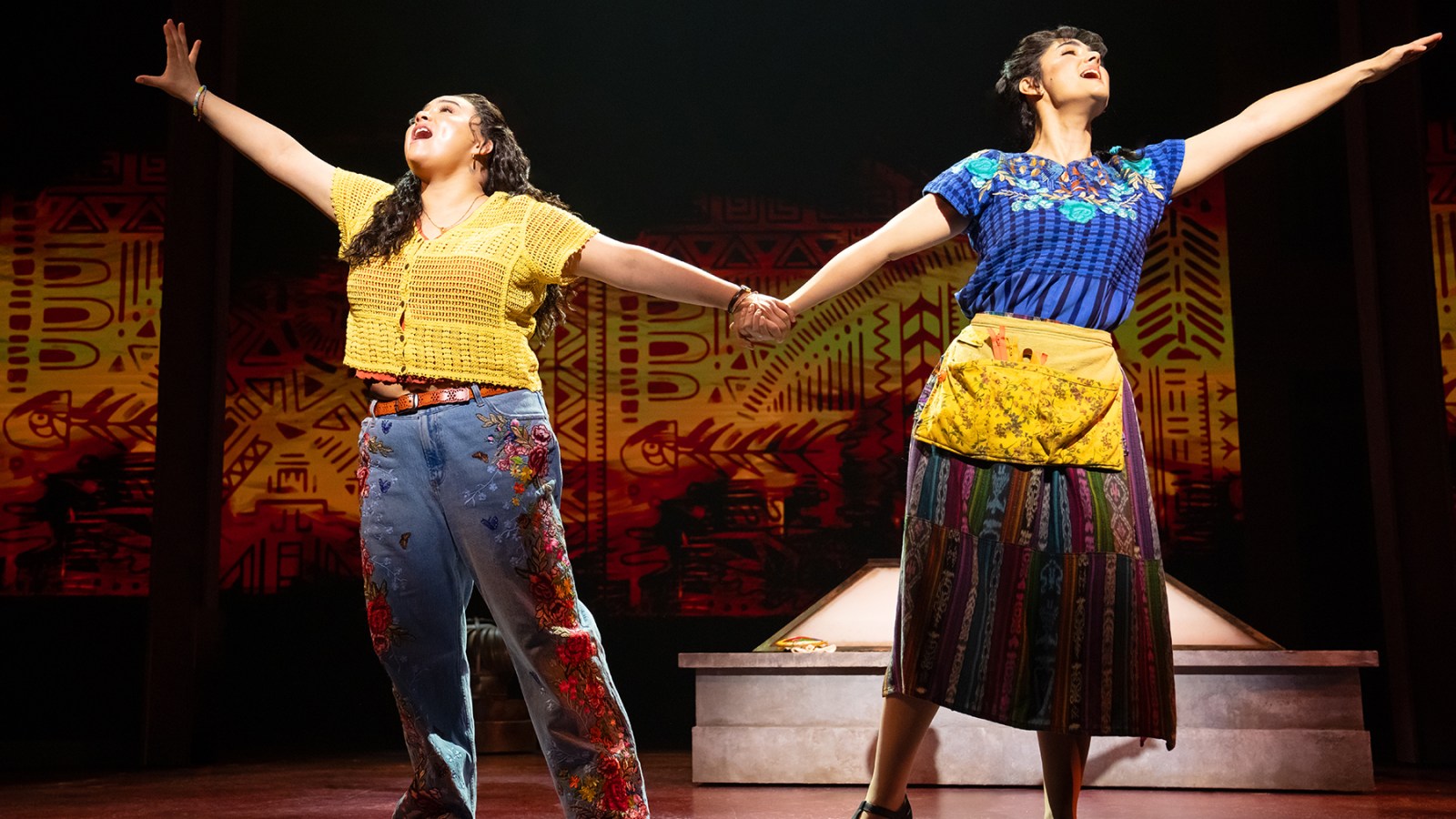
Real Women Have Curves: A Timely Musical Facing Immigration Issues
The stage adaptation of “Real Women Have Curves,” based on the acclaimed 2002 film, delivers a powerful narrative relevant to modern audiences. Set in the 1980s and centered around a garment factory in East Los Angeles, the story dives into body positivity and the struggles of undocumented immigrants, echoing pressing societal issues today.
Ana’s Journey
At the heart of the musical is Ana, portrayed by Tatianna Córdoba, who yearns to pursue journalism at Columbia University. However, familial obligations tied to her sister’s garment business force Ana to reconsider her dreams. Through vibrant musical numbers and comedic elements, the show explores Ana’s journey alongside fellow women grappling with their immigrant experiences. Despite its poignant themes, the production is set to close on Broadway on June 29 due to low ticket sales, highlighting an unfortunate disconnect between the show’s message and audience engagement.
Emphasizing Cultural Identity
Córdoba shared insights with Rolling Stone, acknowledging the initial nerves within the proudly Latin cast when Donald Trump was elected. Nonetheless, the cast felt a deep connection to the narratives presented in the production. “It feels even more important to tell these stories,” she emphasized, alluding to the urgent need for representation.
Humanizing Real Struggles
Director Sergio Trujillo expressed the necessity of portraying humane stories, especially those influenced by outdated immigration laws. Trujillo stated, “I usually choose to speak through my art, but I can no longer be silent,” drawing from his personal background as a child of undocumented immigrants.
Reflecting Tension and Humor
The musical oscillates between heavy moments and lighter ones. One emotionally charged scene depicts an ICE raid, evoking a harrowing silence as the women in the factory react with fear and sorrow. “I’d like the audience to sit in that moment and feel it,” Trujillo explained, underscoring the aim for audiences to experience the gravity of such events firsthand.
In contrast to this seriousness, the title song “Real Women Have Curves” presents a whimsical liberation, where the characters humorously strip due to a malfunctioning A/C, providing a brighter narrative twist and emphasizing body positivity. As Trujillo noted, striking a balance between humor and poignant storytelling is crucial for the narrative’s authenticity.
New Characters and Perspectives
The stage version also introduces Itzel, a Guatemalan refugee played by Aline Mayagoitia, who grapples with the stark realities of illegal immigration. Her standout musical moment, “If I Were a Bird,” has garnered acclaim, with The New York Times recognizing it as one of Broadway’s best songs this season.
A Reflection of Timeliness
Though set in the Eighties, the relevance of the musical resonates powerfully today. Joy Huerta, the show’s musical lead, suggested that this setting serves to illuminate the persistent issues within the U.S. immigration system. “We had no idea when we started working on this project five years ago that it would resonate so closely with current events,” she remarked, emphasizing the significance of representation in storytelling.
Messages of Hope
Trujillo acknowledges the tendency for theatergoers to seek escapism, yet he hopes audiences engage with these real-life challenges. The narrative, while infused with joy and humor, remains grounded in truth, offering an essential message: “What’s happening right now is scary and heartbreaking for our country, but that sliver of hope that gets us through is present in our show,” said Córdoba.
