


For many women, the relationship between diet and breast cancer prevention remains largely unexplored, despite numerous studies linking a balanced diet with an array of health benefits. A recent survey conducted by the Physicians Committee for Responsible Medicine (PCRM) in collaboration with Morning Consult has shed light on this issue, revealing that only 19% of women report having discussed nutrition’s role in breast cancer risk reduction with their health care providers. Although this statistic reflects a modest 3% increase from 2024, it underscores the ongoing knowledge gap in women’s health care.
The poll, which surveyed over 2,000 women aged 18 and older from diverse demographic backgrounds, highlighted a significant lack of awareness regarding dietary factors that may influence breast cancer risk. Dr. Kristi Funk, a surgical breast specialist at the Pink Lotus Breast Center, emphasizes this crucial finding by stating, “It’s clear that most women are still unaware of the lifesaving message that what they eat and drink is directly correlated to their chances of developing breast cancer.”
Impact of Diet on Breast Cancer Risk
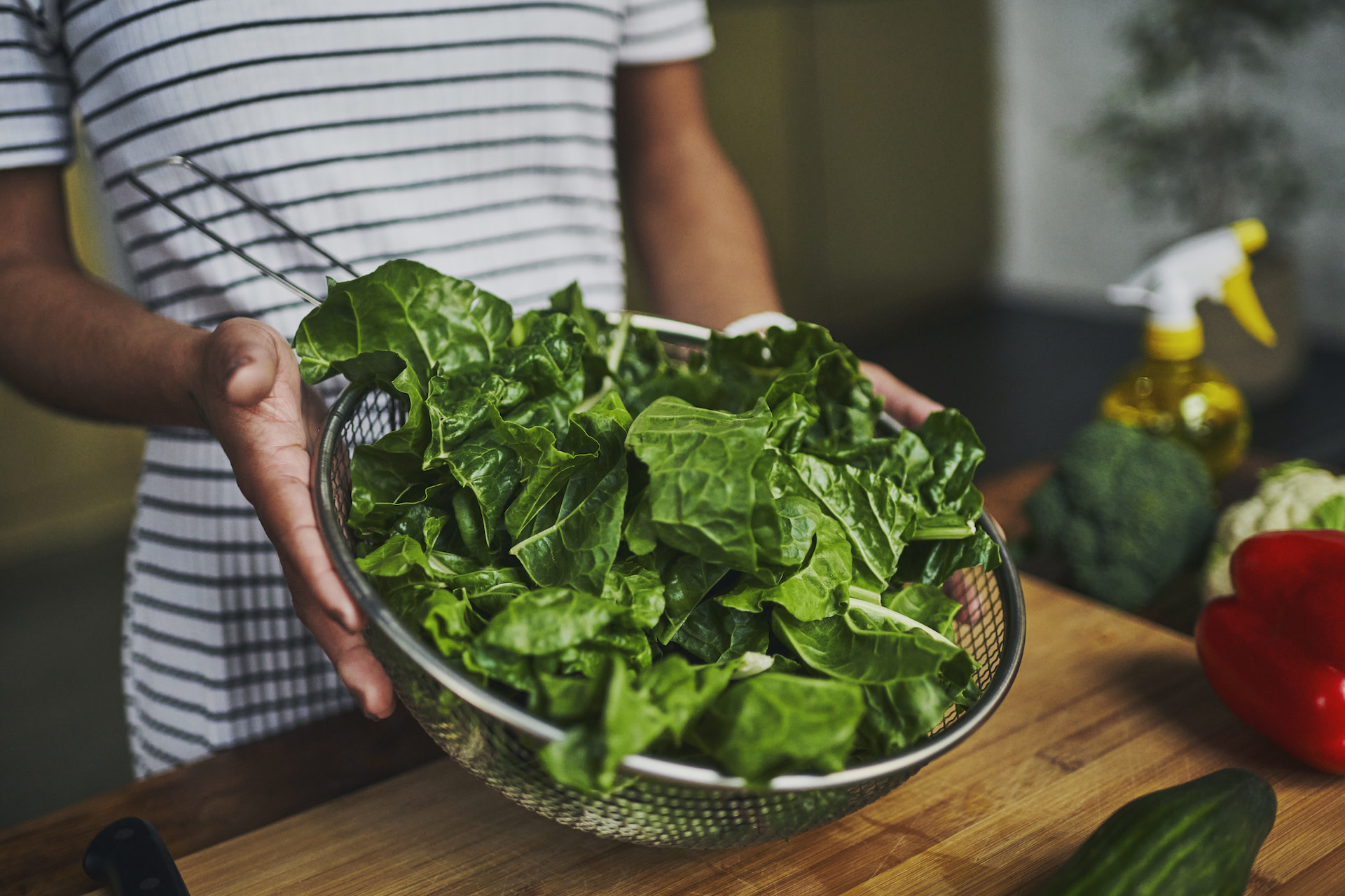
The American Cancer Society suggests that a diet abundant in fruits and vegetables may serve as an effective preventative measure against breast cancer. In contrast, reducing the intake of processed foods, red meats, and unhealthy fats has also been associated with more positive health outcomes.
Plant-based diets are particularly beneficial. These diets provide essential nutrients such as:
- Fiber
- Antioxidants
- Vitamins
- Anti-carcinogenic compounds
- Bioactive substances that may mitigate cancer risk
Maintaining a healthy weight through dietary choices plays a key role in risk reduction and overall well-being, even though no single food can entirely eliminate cancer risk. A primarily plant-based diet emerges as a proactive approach to enhance health.
Misinformation in Health Care
Unfortunately, misconceptions about nutrition persist within health care discussions. Stephanie McBurnett, a registered dietitian with PCRM, highlights this issue, stating, “Disappointingly, the women who said they have discussed nutrition’s role in breast cancer prevention with their health care provider were slightly more likely to inaccurately believe that dairy reduces risk—16% in 2025, up from 9% in 2024.” This emphasizes the necessity for clearer, more accurate communication by health providers regarding nutrition.
Positive Trends in Health Awareness
On a brighter note, those who have received accurate nutritional information appear to be more engaged in their health care. McBurnett observed that women who believed beans may contribute to reduced risk were often those who had discussed dietary interventions with their providers. “That’s an encouraging trend,” she added, indicating that informed discussions can lead to better health choices.
The insights from this survey underscore the vital need for health care providers to include nutritional counseling in their conversations with patients, particularly concerning breast cancer prevention. By prioritizing discussions around healthy dietary practices, providers can empower women to make informed choices that may significantly impact their health.
Conclusion
As awareness about the importance of nutrition in disease prevention continues to evolve, both healthcare providers and women must work collaboratively to bridge the knowledge gap. By emphasizing the role of a balanced diet, including plant-based foods, in breast cancer prevention, we can foster a more health-conscious community committed to reducing risk through informed dietary choices.
