


Debate on Gender Equality Sparks Following Journalist Exclusion
Context of the Incident
Recent remarks by opposition leaders underscore a significant concern regarding gender representation in India. A press conference involving a Taliban representative took place in Mumbai, where female journalists were notably excluded. This incident has reignited debates surrounding India’s commitment to women’s empowerment and equality.
Political Reactions
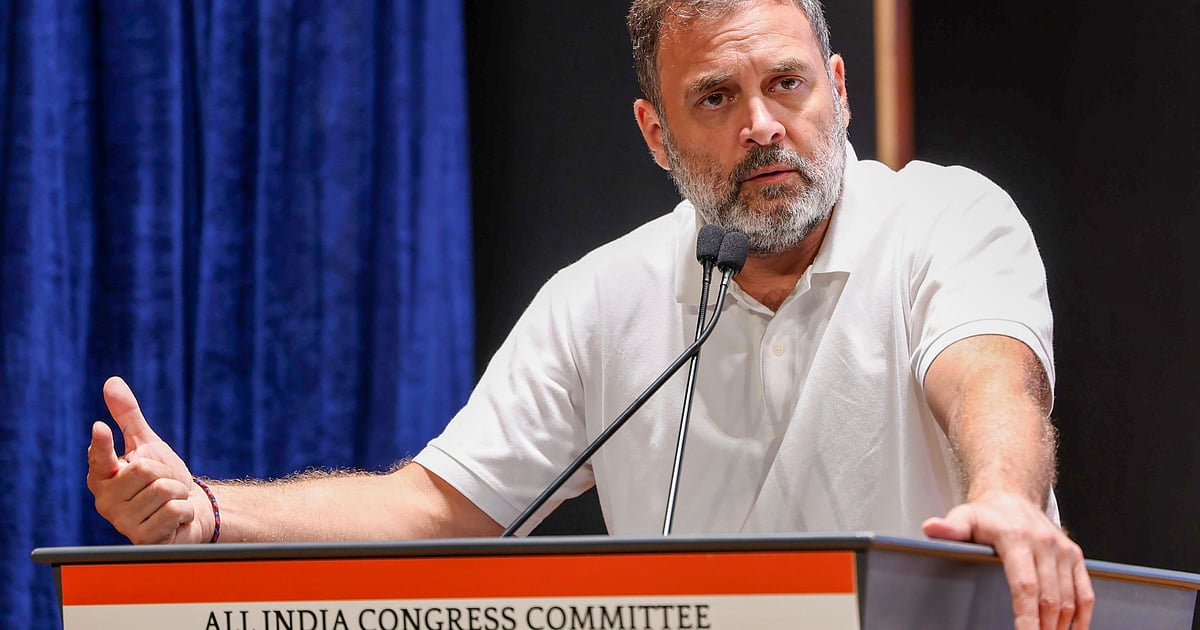
In a pointed critique, an opposition leader emphasized, “In our country, women have the right to equal participation in every space. Your silence in the face of such discrimination exposes the emptiness of your slogans on Nari Shakti.” This comment highlights the disparity between India’s professed values and the realities faced by women in professional environments.
Priyanka Gandhi also weighed in, directly questioning Prime Minister Narendra Modi. On social media, she posted, “Prime Minister Narendra Modi, please clarify your position on the removal of female journalists from the press conference of the representative of the Taliban on his visit to India…” Gandhi further challenged the integrity of government claims about women’s rights and empowerment, asking how such an exclusion could occur in a nation that prides itself on its female citizens.
Government Response
In light of the backlash, the Central government distanced itself from the incident. The Ministry of External Affairs (MEA) stated that it did not play a role in the exclusion of female journalists, attributing the decision to invitations sent by Afghanistan’s Consul General in Mumbai. The MEA clarified that the event was held at the Afghan Embassy, which operates independently of Indian government jurisdiction, as reported by NDTV.
Ongoing Discussions
Despite the government’s clarification, the incident prompts a broader dialogue about India’s actual commitment to gender equality. Opposition figures have called upon the government to ensure that the rights and dignity of female journalists are upheld. Critics argue that proclamations regarding women’s empowerment must translate into tangible actions and sustained advocacy, rather than remaining mere slogans.
