


Radiology: A Key Component in Women’s Health Care
When a healthcare professional recommends a scan, it’s not uncommon for patients to experience anxiety. Common questions such as “Is it necessary?”, “What about the radiation?”, and “Will it hurt?” illustrate the apprehension many feel, particularly in the context of women’s health. Addressing these concerns is paramount, according to Dr. Sunita Dube, a Radiologist and Chairperson of MedScapeIndia. She emphasizes that fear around medical imaging can impede timely diagnoses and, consequently, life-saving interventions.
Understanding the Benefits of Radiology
Radiology serves as an invaluable partner in the healthcare journeys of women. From early detection of breast cancer through mammograms to monitoring pregnancies, and evaluating bone density as well as identifying conditions like uterine fibroids, radiological scans provide critical insights into health. Yet, the anxiety associated with these procedures often detracts from their advantages.
Breaking Down Common Fears
Much of the fear surrounding imaging stems from misinformation and a lack of understanding. The term “radiation” can evoke feelings of danger, despite the fact that everyday exposure to natural radiation occurs without incident. Modern imaging techniques utilize safe, calibrated doses, with potential risks being minimal compared to the life-saving benefits they provide. Additional fears may arise from the unfamiliar environments of procedures such as MRIs, the sensations experienced during mammograms, and uncertainties about diagnoses.
The Crucial Role of Early Detection
In women’s health, early detection has a profound impact on outcomes. For instance, breast cancer screening via mammography significantly increases survival rates by identifying cancer in its nascent stages. Similarly, cervical health assessments through imaging allow for proactive interventions.
- Osteoporosis: Early detection through DEXA scans helps prevent severe fractures.
- Pregnancy: Ultrasounds are essential not only for monitoring fetal development but also for ensuring maternal health.
Demystifying Imaging Procedures
Healthcare providers are committed to clarifying the imaging process. For example:
- A mammogram is a quick procedure.
- An ultrasound utilizes painless sound waves.
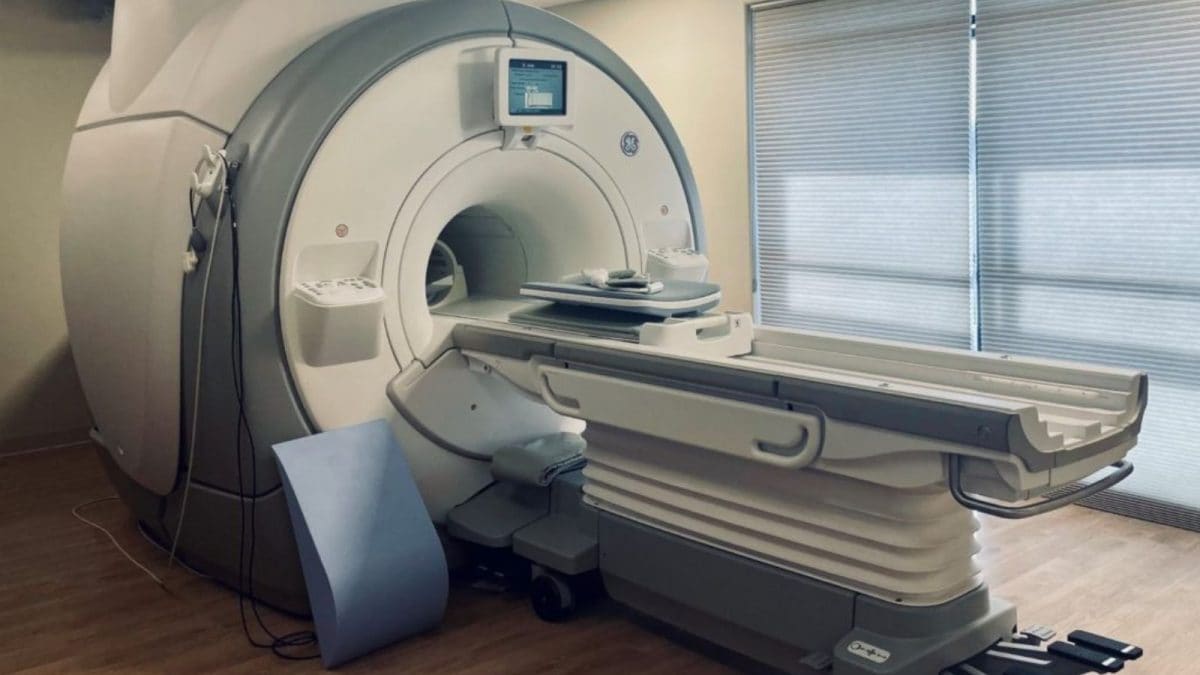
- An MRI generates detailed soft tissue images without X-rays.
Skilled technicians prioritize patient comfort and strive to convert complex data into comprehensible insights for physicians.
The Empowerment of Knowledge
Ultimately, the power rests with the individual. Gaining knowledge about health and understanding the reasons behind recommended scans can greatly alleviate fears. Patients are encouraged to ask questions, articulate concerns, and actively engage in their healthcare decisions. By doing so, they can feel empowered rather than limited by apprehensions.
Conclusion: Embracing Radiology for a Healthier Future
Radiology should not be viewed through a lens of fear, but rather as a pathway to clarity. It enables early, accurate, and safe discernments regarding health, offering the best prospects for maintaining a healthy life. By moving past unfounded fears, individuals can take full advantage of the healthcare resources available to them. Ultimately, investing in health through these imaging technologies is a pivotal step toward a healthier future.
