


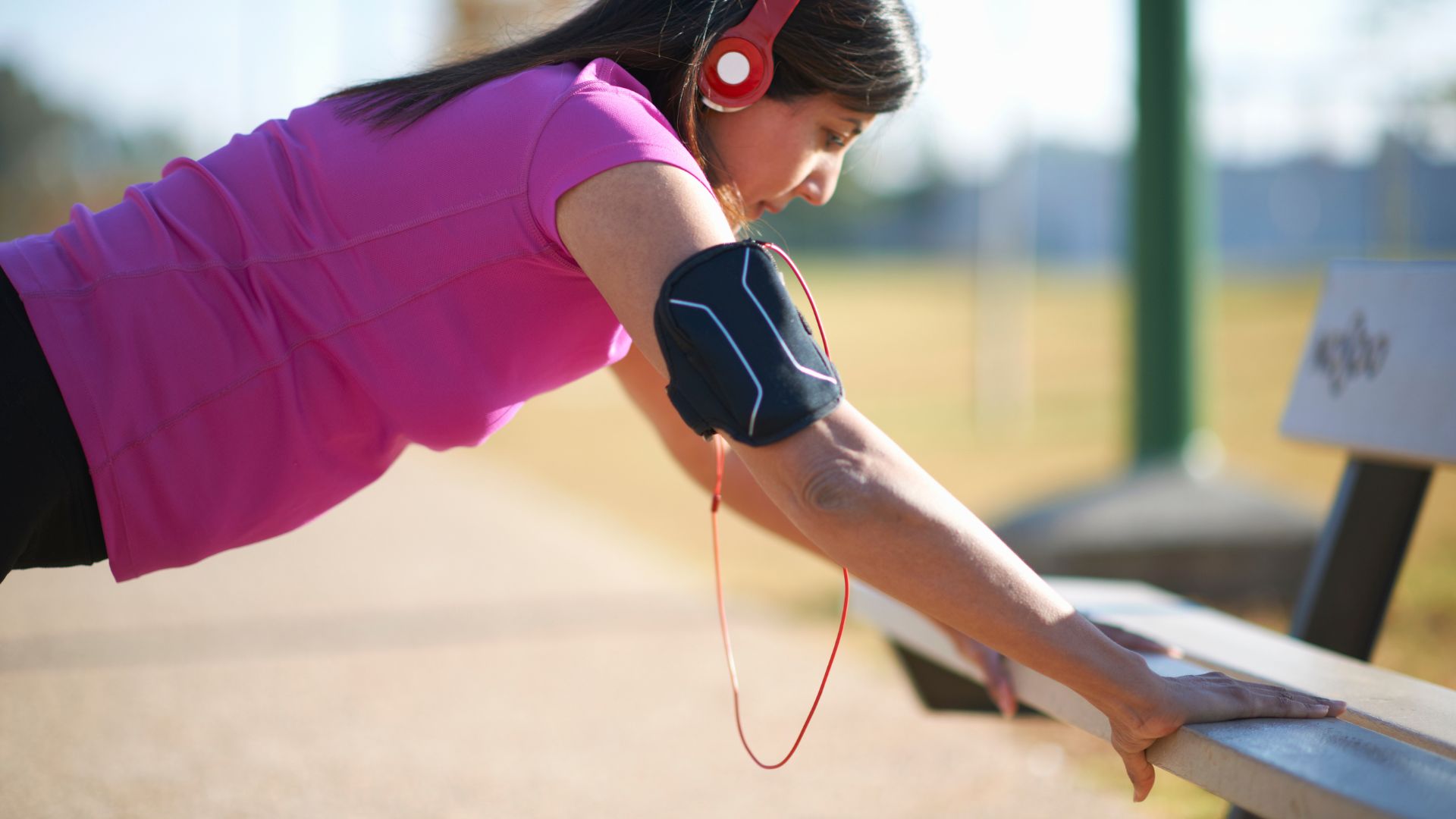
The Impact of Just One Minute of Exercise on Longevity
Regular physical activity is essential for a longer, healthier life. Commonly recommended exercises for longevity include aerobic routines, weight training, and flexibility exercises. However, many individuals struggle to fit these into their busy schedules. A recent research study suggests a groundbreaking twist: for those new to exercise, even a single minute of vigorous activity daily may lead to meaningful improvements in life expectancy.
Research Overview
A new preprint study from the University of Sydney reviewed data from 3,293 adults in the United States—averaging 51 years old—who were not regularly engaged in structured physical exercise. The aim was to investigate whether brief periods of vigorous intermittent physical activity (VILPA) could contribute positively to their overall health.
Understanding Vigorous Intermittent Physical Activity
The types of activities classified as vigorous vary but can include:
- Carrying heavy items
- Engaging in active play with children
- Walking quickly uphill
Participants utilized fitness trackers to monitor the effects of these short bursts of activity. Results uncovered that just 1.1 minutes of daily vigorous exercise lowered the risk of premature death by 38% over a six-year period, compared to individuals who did not participate in any physical activity.
Effective Short Bursts of Exercise
Remarkably, some activities examined lasted as little as 10 seconds yet still contributed beneficially to health outcomes. This finding underscores the potential impact of even minimal physical movement.
What Constitutes Vigorous Exercise?
Vigorous-intensity exercise is characterized by activities that elevate heart rates and leave individuals breathless, making conversation challenging. Examples of such exercises include:
- Running
- Hiking
- Shoveling snow or intense gardening
- Fast-paced cycling or swimming
In daily life, even activities such as running upstairs or vigorous cleaning can count towards this category. Utilizing a fitness tracker can help gauge the intensity of these movements, providing a clearer picture of one’s activity levels.
Is One Minute Enough?
For individuals who are currently inactive, committing to just one minute of vigorous exercise daily may lead to noticeable health benefits. The study’s authors suggest this could be feasible, especially in populations that are largely inactive or overweight. Supporting this idea, a UK study indicated that only 3.4 minutes of vigorous exercise could significantly reduce the chances of strokes and heart attacks by approximately 45% in similarly inactive women.
Dr. Hilary Jones discussed these findings, stating, “One minute does you good. It raises your heart rate, reduces unhealthy blood fats, and enhances your breathing capacity. Anything is better than nothing.” However, for beginners, starting with a few minutes each day is recommended to establish a routine that gradually builds fitness levels.
Considerations Regarding the Study
While these studies do provide encouraging findings, they did not account for various other lifestyle factors that could influence longevity, such as smoking, alcohol consumption, genetics, and occupational activity levels. They do, however, reinforce the notion that small, manageable amounts of exercise can contribute to better health outcomes.
As a final note, individuals who are new to exercise should consider speaking with a personal trainer or healthcare provider to create a tailored exercise plan that meets their specific health needs.
