


Bull in a China Shop: Revolution, Love, and Empowerment
Overview of the Play
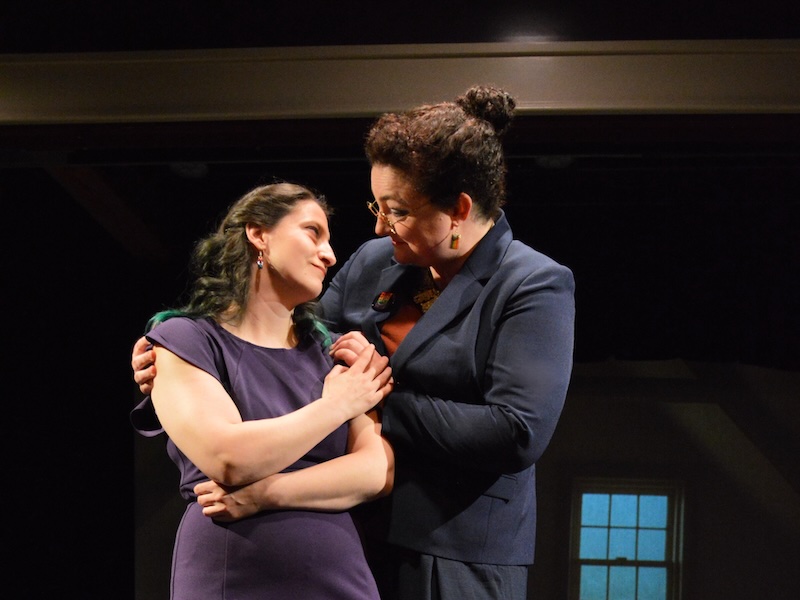
Bull in a China Shop, penned by Bryna Turner and inspired by the real correspondence between Mary Woolley and Jeanette Marks from 1899 to 1937, delves into the lives of two queer women. The play interrogates the nature of revolution and the sacrifices made in the name of love and ambition.
Historical Context and Plot Summary
Set against the backdrop of the late 19th to early 20th century, the narrative follows Mary Woolley, who has recently assumed the presidency of a Massachusetts seminary-turned-university, and Jeanette Marks, a new English professor. Together, they aim to transform women’s education and empowerment, often at the expense of their romantic relationship. Throughout 24 fast-paced scenes, themes of love, power, and the risks faced by women leaders are explored.
Theatrical Elements
Stage Design and Audience Interaction
The production skillfully leverages the intimate setting of the Arts Barn, utilizing the entrance used by the audience as the entrance for characters, which enhances the immersive experience. The seating arrangement mirrors a college lecture hall, allowing actors to engage dynamically with the audience, further enriching the narrative atmosphere.
Minimalist Set and Projections
Set designer Jeffery Asjes crafted a minimalist environment that evokes furnished spaces without overwhelming the audience, while projections by Brian Markowitz vividly set the university campus scenes. This design choice allows the actors to dominate the stage with their performances, effectively conveying the emotional core of the play.
Cast and Performances
The all-female cast delivers captivating performances that embody the themes of empowerment and revolution. Notable performances include:
- Cassandra Redding as Mary Woolley, showcasing a balance of strength and vulnerability.
- Brittany Trexler as Jeanette Marks, who captures the essence of both a passionate lover and a dedicated educator.
- Jennifer Flores as the eager student Pearl, whose portrayal of the joys and pains of first love resonates deeply.
- Briana Craig as Felicity, providing support for her peers while standing firm in her own beliefs.
- Rachel Schlaff as Dean Welsh, presenting a complex character with poise and subdued conflict.
Each actress contributes to the narrative by exploring the emotional intricacies of love, ambition, and the struggle for change.
Directorial Vision
Director Vanessa Markowitz emphasizes the timeless relevance of the play’s themes, integrating contemporary design elements in costumes and props. Despite some modern touches creating slight dissonance, they serve to illustrate the cyclical nature of history and the imperative to learn from it. The evolving costumes reflect the journey of the characters from traditional late-1800s attire to more casual modern styles, adorned with symbols of allyship to the LGBTQ+ community.
Final Thoughts
The narrative’s arc demonstrates that the quest for revolution is perpetually timely. As the characters navigate societal pushback during World War I and face heightened scrutiny leading to Woolley’s resignation before World War II, their commitment to sharing revolutionary ideas remains unyielding. Bull in a China Shop serves as a powerful reminder that history often mirrors our present, urging audiences to remain vigilant and proactive in advocating for change.
Performance Details
The play runs for a 90-minute duration without intermission, presenting its final performances through June 22, 2025, at the Arts Barn, 311 Kent Square Road, Gaithersburg, MD. Performances occur on Fridays and Saturdays at 8 PM, with a Sunday matinee at 2 PM. Tickets are priced at $23, with a student discount available at $21 for those aged 15–21. Tickets can be purchased at the door or online (sales end two hours prior to showtime) by calling 301-258-6394.
Recommended for ages 15 and older due to adult themes and language.
