


Understanding the Implications of Gov. Stein’s Veto on House Bill 805 in North Carolina
On July 3, 2023, North Carolina Governor Josh Stein vetoed House Bill 805, which aimed to establish a clear legal definition of sex as strictly male or female based on biological distinctions. The bill had recently received legislative approval.
Importance of House Bill 805
The primary objective of House Bill 805 was to safeguard the rights of women and girls by affirming biological sex distinctions in various legal contexts—particularly within areas such as sports, public restrooms, and domestic violence shelters. Advocates argue that the absence of clear definitions can have significant ramifications for women’s rights and safety.
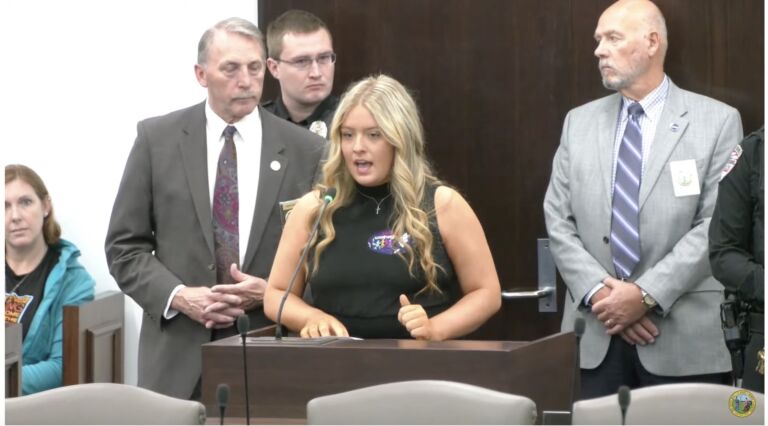
A vocal proponent of this perspective is a former high school athlete from North Carolina, who experienced a severe injury during a volleyball match against a team that included a trans-identified male player. The athlete described how a powerful spike led to a traumatic brain injury and ongoing health issues, highlighting the perceived risks associated with allowing all individuals to compete in women’s sports without consideration for biological sex.
A Call for Legislative Action
The former athlete expressed that the incident was not merely an unfortunate accident but rather a policy failure that could have been avoided had the proposed bill been in place. She emphasized that had House Bill 805 been enacted, it would have prevented the situation she found herself in that day, underscoring her view that the veto of this bill was a betrayal of the safety and rights of young women.
Concerns Over Gender Definitions
Supporters of the veto argue that the bill could foster discrimination and infringe upon the rights of transgender individuals. However, proponents maintain that the bill is not an attack on anyone’s dignity but an affirmation of biological realities. They assert that the recognition of differences between biological sexes is crucial for ensuring fair competition and providing safe spaces for women and girls.
The former athlete further stated that the current dialogue surrounding gender rights often marginalizes the voices of women affected by these issues, pressuring them to remain silent about their concerns in the name of inclusivity. This perspective urges legislators to reconsider their positions and truly engage in discussions about gender policy and the implications it holds for sports and safety.
The Next Steps for North Carolina Lawmakers
Gov. Stein’s veto has introduced a complex debate within North Carolina about the balance between inclusivity and the rights of women and girls. The opportunity remains for the legislature to override the veto, and advocates argue that doing so would communicate a commitment to protecting female sports and spaces based on biological sex distinctions.
Conclusion: A Call for Common Sense Legislation
Critics of the veto assert that this should transcend party lines; every young girl deserves to engage in sports without fear for her safety or self-identity. As the discussion around gender continues to evolve, legislators face the challenge of crafting policies that acknowledge diverse identities while still protecting the rights and safety of women.
Ensuring that legislation reflects biological realities may provide a pathway toward greater safety and fairness for young women in North Carolina. The call to action remains: will lawmakers find the courage to take a stance that prioritizes women’s rights and safety?
