


Women Leaders in Tamil Nadu’s Governance: Overcoming Isolation and Achieving Change
Introduction
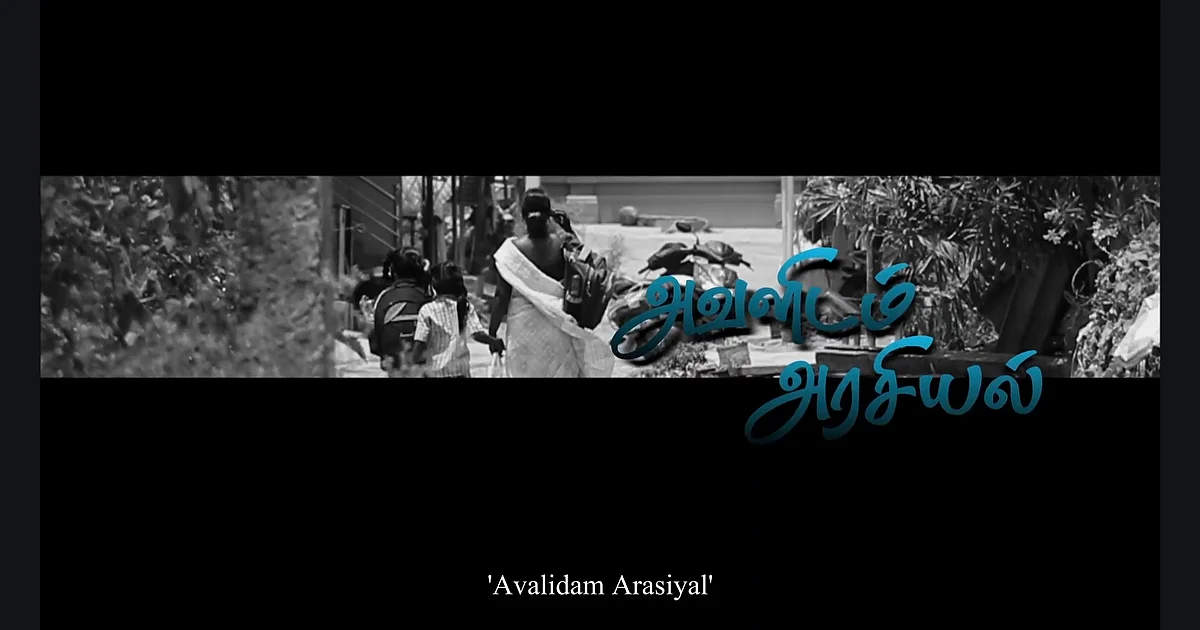
The documentary film Avalidam Arasiyal, produced as part of Manthra’s research, highlights the unique experiences of women who have stepped into roles of governance in Tamil Nadu. This film sheds light on their challenges, revealing that even with their ambitions, they often find themselves navigating these paths alone.
Voices from the Field
Savithri Manikandan, an elected Panchayat president from Kancheepuram district, reflects on her journey: “This is Uthukadu village, my village, my people. I know them and getting along will be easy,” she stated. However, once in a position of authority, she quickly realized the isolation that came with it.
Thamizhselvi Ramesh, another panchayat president, shared her own struggles, describing her expectations of support from the panchayat secretary that never materialized, forcing her to learn on the job.
Impactful Achievements
Despite facing challenges, these leaders have made notable contributions in their communities:
- Rekha,
- Asha Kalaivaanan, the first panchayat president from the SC community in Azhinjivakkam village, focused on ensuring piped water access to every household, greatly improving the living standards in her area.
- Thamizhselvi also took a stand against child marriages in her village, successfully halting two incidents involving minors, and initiated a crematorium accessible to all, promoting equality in death practices.
Ongoing Challenges
While these women have made significant progress, systemic challenges persist. The state of Tamil Nadu has a troubling history of delays in conducting panchayat elections. The last set of local body elections took place in December 2019 for 28 districts, with the remaining nine voting only after a court directive in October 2021. As of January 2025, the term of elected officials, including that of Thamizhselvi, Rekha, and Asha, will be completed, but the government has yet to announce the date for the next elections, citing ongoing delimitation and reservation processes.
Conclusion
As documented in Avalidam Arasiyal, the stories of these women reveal both the triumphs and the challenges of female leadership in local governance. Their experiences underscore the importance of providing support to women in leadership roles, ensuring that they are not left to navigate these critical responsibilities alone.
