


A recent political shift in Poland has intensified tensions surrounding reproductive rights, particularly following the election of conservative candidate Karol Nawrocki as president. His victory has effectively halted initiatives aimed at legalizing abortion, leaving advocates for reproductive rights feeling disillusioned and searching for alternatives abroad.
Throughout his campaign, Nawrocki was clear in his opposition to abortion, explicitly refusing to endorse a proposed law from Donald Tusk’s centrist coalition that sought to reinstate the “abortion compromise.” This compromise would have allowed abortions in instances of rape, severe fetal anomalies, or when the mother’s life is at risk. Nawrocki stated, “Promoting anti-values or a culture of death rather than life is a problem that affects Poland’s demographic situation,” further declaring, “I could not allow, as a future president, for children with Down Syndrome to be subjected to abortion.”
Since assuming office, Nawrocki has remained reticent on the abortion issue. The stringent abortion restrictions already in place in Poland, which were implemented in 2021, allow terminations only in cases of rape, incest, or significant health threats to the woman. The United Nations Committee on the Elimination of Discrimination against Women has condemned this law, attributing it to numerous preventable deaths and considerable suffering among Polish women.
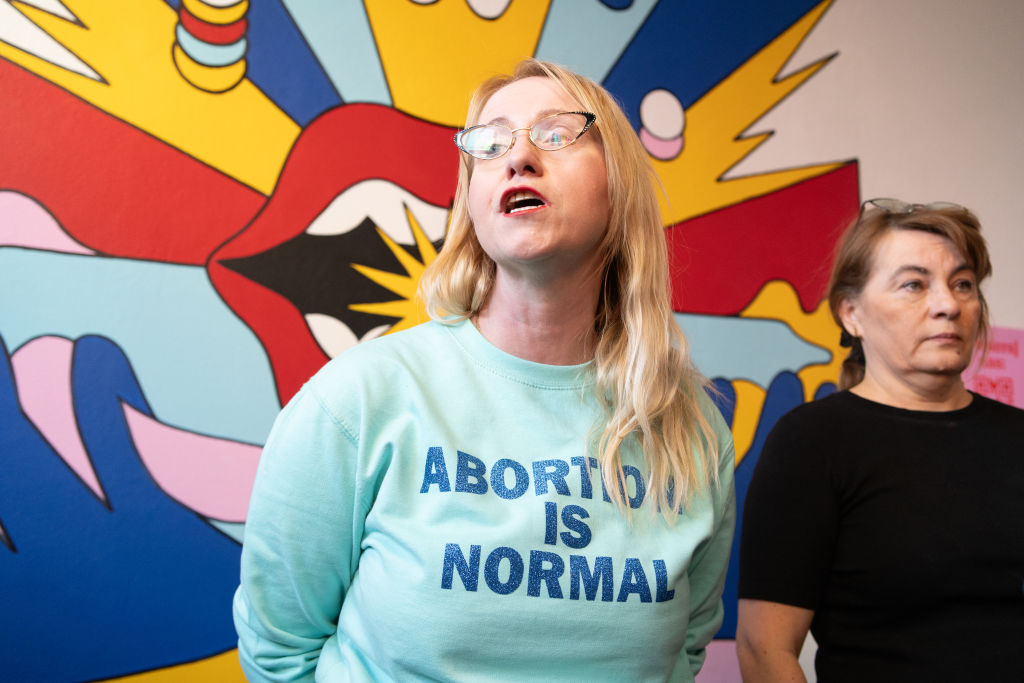
Nawrocki’s election has sparked outrage among pro-choice organizations, including the Abortion Dream Team. Reacting to his win, the group stated on Facebook: “Today, we know that politicians won’t make our lives easier – they might make them even harder. Poland has just elected an extreme nationalist as president. The majority decided that human rights can wait.”
Interestingly, despite Nawrocki’s hardline views, he garnered significant support from female voters, with an Ipsos poll indicating that 47.2% of women cast their ballots for him, compared to 55.5% of men. This gender divide has led to frustration among activists, with one woman commenting on the disheartenment that followed the election, mentioning that she would withdraw from activism due to her stable resources, while expressing concern for those less fortunate. She stated, “I’ll be fine. I have trusted doctors, family support, and if necessary, going to Germany isn’t a challenge for me.”
Many Polish women seeking abortions increasingly travel to neighboring countries such as Germany, the Czech Republic, and Slovakia, where abortion services are available. Others depend on accessing abortion pills through organizations like Women on Web or Abortion Without Borders, a process fraught with legal challenges and the risk of interception by authorities.
Adding to the landscape, a new abortion clinic called Abotak has opened its doors in Warsaw, conveniently located near the Polish parliament. In a notable act of support, French left-wing politicians Manon Aubry and Mathilde Panot delivered hundreds of abortion pills and emergency contraceptives to this clinic in a symbolic gesture of solidarity.
Political Ramifications
The failure to advance abortion rights is seen by some progressives as a contributing factor to the defeat of Nawrocki’s opponent, Rafał Trzaskowski, the pro-choice mayor of Warsaw who was backed by Tusk’s Civic Platform. Under Tusk’s government, there was a promise to legalize abortion up to the twelfth week, a demand supported by the coalition partner, The Left. However, the political climate, marked by divisions and a lack of a parliamentary majority, compounded by the outgoing president’s opposition, has stunted efforts for reform.
Natalia Broniarczyk of the Abortion Dream Team, speaking on TOK FM radio, expressed her frustration: “I cannot forgive Donald Tusk for the fact that our interests were not protected. Politicians have made it painfully clear that they’re not interested in us as people—they’re only interested in holding on to power and will use any means necessary to maintain it.”
In light of stalled legislative efforts, Broniarczyk emphasized the need for grassroots mobilization, reinforcing support networks, and developing alternative solutions for those seeking reproductive healthcare.
