


Pennsylvania Senate Approves Bill Limiting Transgender Women in Women’s Sports
May 6, 2025 | 8:16 PM
Overview of the Bill
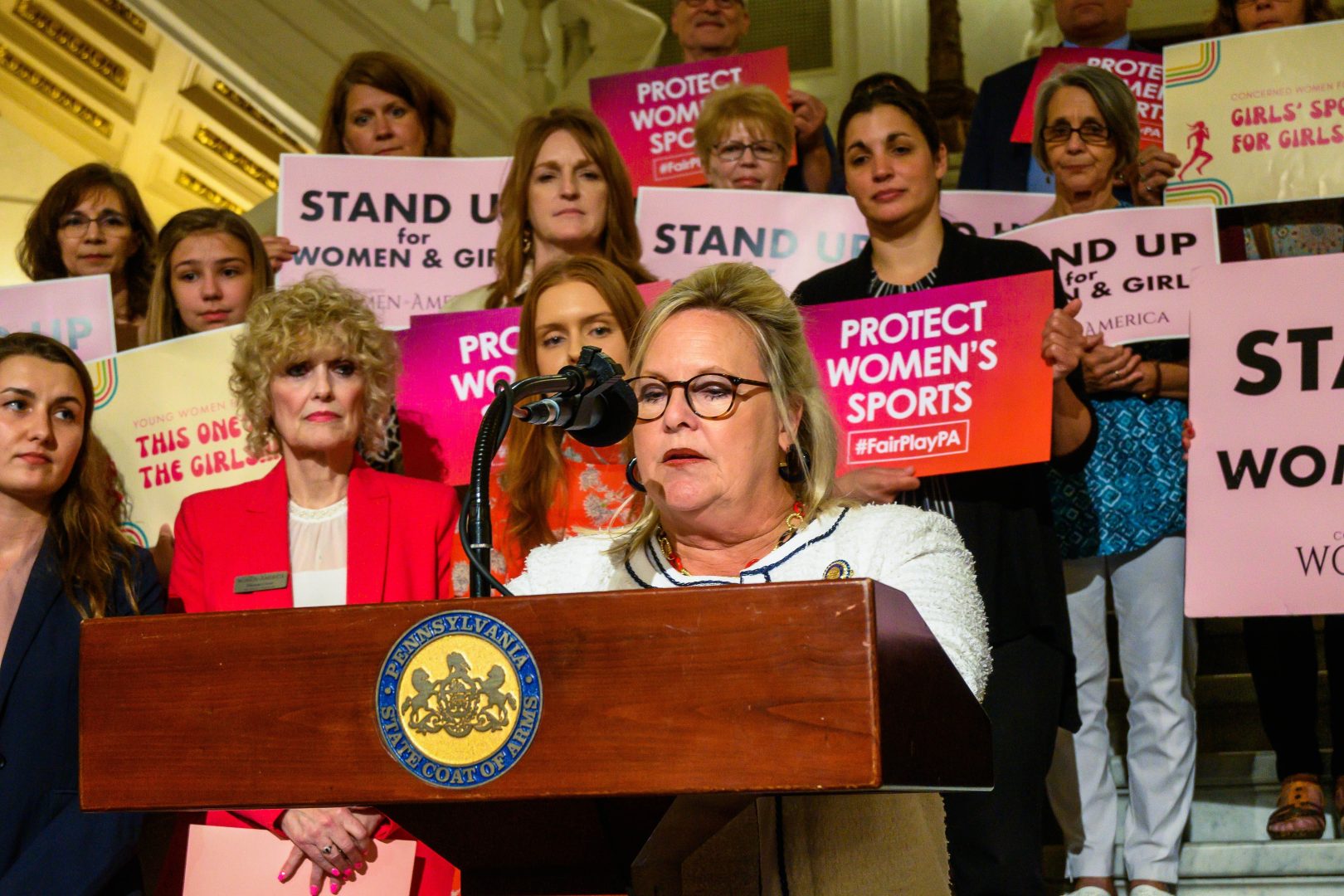
The Pennsylvania Senate voted to advance the “Save Women’s Sports Act,” a legislation aimed at prohibiting transgender women and girls from competing on women’s and girls’ sports teams. The vote was marked by significant division, as five Democratic senators sided with 27 Republicans in favor of the bill.
Details of the Legislation
The proposed law targets K-12 public school and college athletic programs, establishing that a person’s sex is determined solely by their sex assigned at birth. Proponents, including Republican senators, argue that this measure is crucial for preserving women’s opportunities in athletics, asserting it supports the principles of Title IX, which prohibits sex-based discrimination in education.
“We cannot allow the opportunities that Title IX enshrined for women to be lost,” stated Senator Judy Ward (R-Blair County), a key advocate for the legislation.
Opposition and Concerns
Democratic senators criticized the bill, claiming it could bring harm to transgender children and was politically motivated rather than focusing on constructive governance. Senator Maria Collett (D-Montgomery County) expressed concern about the ethical implications of such legislation.
“This is not governance. It is a failure to lead,” Collett remarked during the debate.
The proposed bill faces strong opposition from the House Democratic leadership and is expected to be vetoed by Governor Josh Shapiro, who has publicly stated his opposition to the bill.
Human Impact and Public Reactions
During discussions, concerns were raised regarding the psychological and emotional toll on transgender youth. Research cited during the debate indicates that anti-trans legislation correlates with increased suicide attempts among transgender teenagers.
Senator Steven Santarsiero (D-Bucks County) highlighted the fact that only a small fraction of athletes compete as transgender. Citing NCAA data, he noted that fewer than ten transgender athletes are among the roughly 500,000 NCAA participants.
“That’s the message that gets sent, and it’s a message that can do real harm,” Santarsiero emphasized.
Future Outlook
The bill’s future remains uncertain as it moves to the Pennsylvania House, where it is likely to face hurdles. Some senators have suggested implementing a third competition category, allowing for a more inclusive approach to sports, thus prompting discussions on finding common grounds.
This ongoing debate reflects broader societal issues surrounding gender identity, equality in sports, and the rights of transgender individuals.
