


Women’s Safety in Outdoor Sports: Barcelona’s Initiative
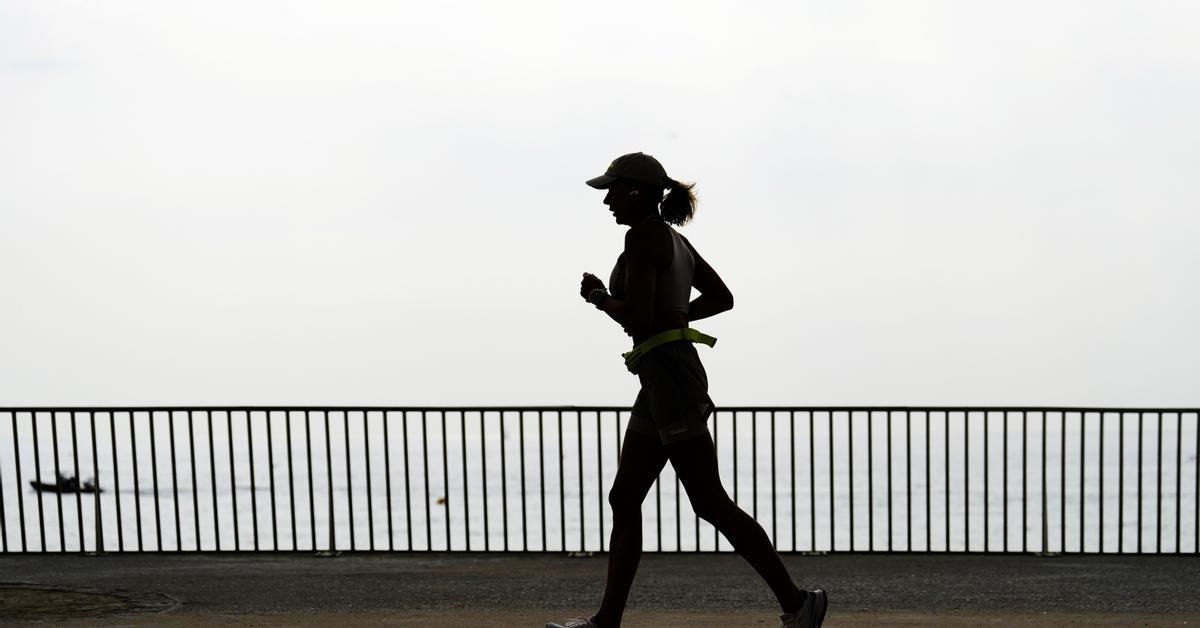
In Barcelona, many women face challenges when participating in outdoor sports, including feelings of insecurity and discomfort due to societal attitudes. This issue is prominent among runners, as highlighted by residents who share their experiences and precautions.
Personal Experiences of Insecurity
Marina, 24, a local runner, expresses her frustration regarding the sexist remarks she routinely hears. “There’s almost always someone who whistles at you or makes a comment like, ‘Okay, we should take care of ourselves.’ But, on the other hand, this same man doesn’t tell the man who is running a few meters in front of me that it’s perfectly fine to exercise,” she observes, underscoring a double standard in societal perceptions.
Similarly, Helena, aged 32, from Hospitalet de Llobregat, discusses the dilemma of clothing choice. “I think we all have the dilemma with clothes. Either you die of heat or you uncover yourself a little, but knowing that then you’ll have to endure stares and comments,” she states, which reflects a broader concern among women who navigate athletic wear in public spaces.
Precautionary Measures
Many women adopt various strategies to mitigate risks while exercising. Ilsa, 29, often chooses to walk home from the gym along a poorly lit industrial route. She makes a point to finish her workout before darkness falls. “I was just telling a friend that a few days ago I did this route as it was getting dark and I approached a father with his young son because they reassured me,” she recounts, highlighting her need for companionship for a sense of security.
Mònica, 53, has altered her habits due to distressing encounters during her walks. “Twice some guys yelled at me, and I had to speed up. Maybe it would be more difficult for them to make certain comments to a man,” she explains. The resulting anxiety has led her to stop her favorite morning walk after witnessing two robberies of women in similar situations. “Since then, I take the bus to make the journey I used to walk,” she shares.
Statistics on Women’s Safety
A study conducted by Sport Cultura Barcelona reveals that 25% of women feel unsafe while engaging in outdoor sports, a sentiment that increases to 34% among those aged 18 to 30 in Barcelona and Madrid. This troubling statistic highlights an urgent need for interventions focused on women’s safety.
Initiatives for Safer Exercise Environments
In response to these concerns, Barcelona City Council introduced a pilot initiative for women’s sports circuits, set to run until December. Located along the Paseo Marítimo, this circuit measures approximately 1,500 meters in length and is equipped with safety measures, including links to the SafeNow mobile app. This app offers emergency assistance and connection to local volunteers, including law enforcement, enhancing the perception of safety for female athletes.
Local sports facilities, such as municipal sports complexes and sailing centers, also provide trained staff to assist athletes in need, reinforcing community support.
Perceived ‘Forbidden Places’
Many women identify locations that they deem unsafe. La Sesca, 31, mentions her reluctance to run on Montjuïc at night due to inadequate lighting and low traffic. “I have friends who have that fear,” agrees Marina, 27, from Palma, who acknowledges the societal narrative surrounding women’s fears while exercising outdoors.
Group Activities as a Safer Option
Ester, 68, prefers group workouts in a supportive environment. Engaging in TRX classes for women over 60, she feels significantly safer despite some classes taking place in the dark. “In a group, even though in winter many classes are held when it’s already dark, you feel safer, and you don’t even think about insecurity,” she reflects.
Raquel, 33, from Manresa, managed her preparation for a marathon by sticking to well-lit routes during her nighttime training. “I looked for ones that were at least well-lit,” she explains, showcasing the various ways women adapt their routines to prioritize safety while remaining active.
Conclusion
The experiences of women in Barcelona reveal the complex interplay between the enjoyment of outdoor activities and the anxiety stemming from societal attitudes. With new safety measures being implemented, there is hope for change, fostering an environment where women can engage in outdoor sports without fear.
