


Government Expenditures on Repatriating Canadian Women Associated with ISIS
Overview of Expenditures
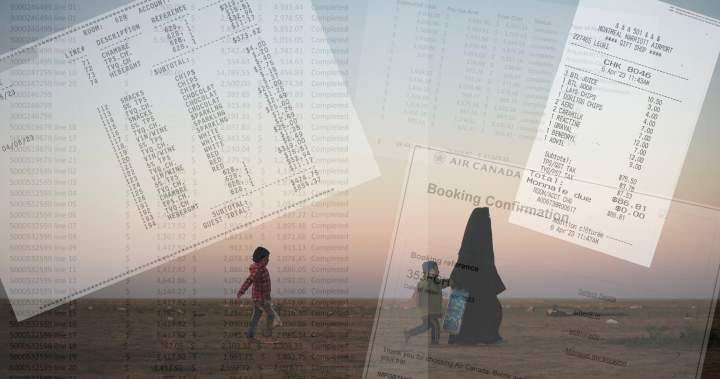
Recent internal government documents reveal that Canadian federal authorities allocated at least $170,000 to repatriate eight women linked to ISIS from Syria. These costs covered various expenses incurred during their return to Canada, including travel and accommodations.
Details of the Spending
In 2022 and 2023, Global Affairs Canada incurred expenses that included:
- Business class flights and accommodations at the Montreal Airport Marriott.
- Room service charges amounting to over $100 for meals and snacks.
- High-priced items such as wines and chocolates, with one hotel bill reaching over $1,000 due to alcohol charges.
- Costs for snacks, sandwiches, and other catering services totaling $2,800.
Additional purchases included clothing and gifts for the women and their children, leading to further expenses such as $86 spent on snacks and basic medicines.
Context of the Repatriation Efforts
The repatriated women had traveled to the Middle East to join ISIS, which gained notoriety for its violent tactics, including public executions and terrorism. After their families instigated a Federal Court challenge for their return, the Canadian government moved to facilitate their repatriation.
Global Affairs indicated that the expenses documented primarily reflect the costs of receiving the women in Canada, excluding the costs incurred during their extraction from Syria.
Public Reaction and Criticism
The expenditures raised eyebrows among various groups, with critics arguing that the amounts spent exemplified questionable government priorities. Sheryl Saperia, CEO of Secure Canada, articulated concerns over how taxpayer money was utilized to benefit those perceived as betraying their country.
Additionally, some families of terrorism victims expressed dismay at the perceived leniency and lavish treatment of the repatriated women, emphasizing the contrast with the struggles of victims’ families who must bear their own court costs.
Details on Repatriated Individuals
The women who returned to Canada had been held in detention camps in Syria for several years. The first wave of repatriations occurred in October 2022, followed by additional waves in April and later outlining expenses that included emergency supplies and food for both the women and their children.
Among the repatriated were women connected with militaristic groups within ISIS. For example, Kimberly Polman and Oumaima Chouay returned initially, and Aimee Vasconez later emerged as a notable case due to her previous militant activities.
Subsequent reports highlighted that the second repatriation alone cost $132,445, primarily driven by unanticipated hotel costs.
Remaining Detainees and Ongoing Threats
Notably, several Canadian men remain in detention camps in Syria, with federal officials currently unwilling to repatriate them. This ongoing dilemma forms part of a broader discourse about national security, particularly regarding individuals associated with terrorist organizations.
The Canadian Security Intelligence Service has cautioned that ISIS still poses a considerable threat, emphasizing the importance of safety and responsible government action in these matters.
