


Women have faced unique challenges in the public safety sector, often adapting to unsuitable equipment and working overtime to validate their presence. Historically, research focused on women in these traditionally male-dominated fields has been sparse, particularly in tactical environments. However, recent initiatives are beginning to address these long-overlooked issues.
Addressing Tactical Needs
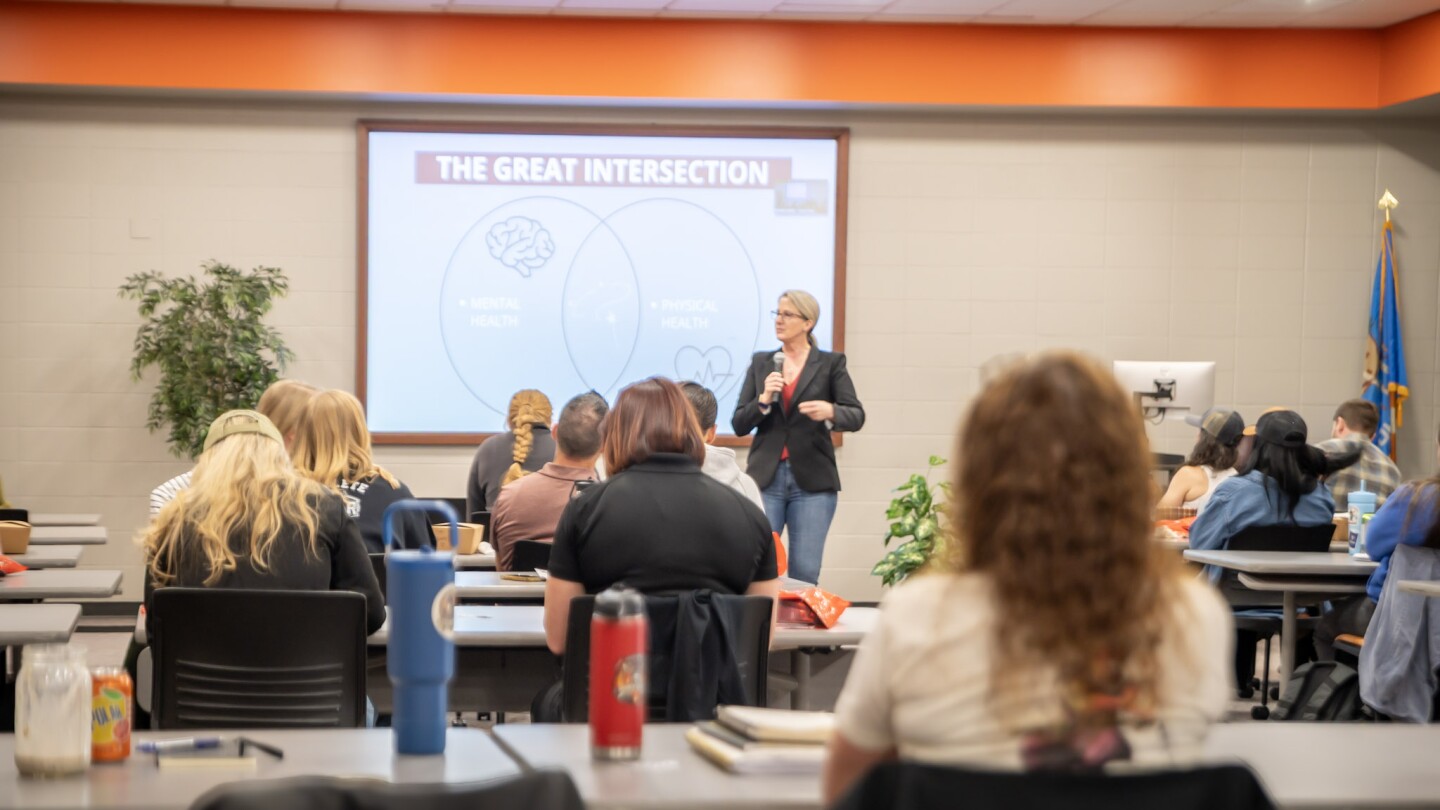
Oklahoma State University (OSU) held a significant event on May 9 dedicated to understanding and enhancing the contributions of women in fire, police, and military roles. This tactical human performance summit attracted around 100 in-person attendees and 60 participants connecting virtually from 18 different states, from Washington to Florida.
The summit aimed to equip women and their colleagues with resources to enhance physical and mental performance. Topics ranged from sleep hygiene to optimizing health based on female physiology.
Annette Zapp, both an organizer and speaker at the event, pointed out a critical issue: “Historically women have been left out of research, especially in tactical research. I think it’s really important for women to get the information that’s out there to help them perform better.” A retired firefighter and current doctoral student in Health and Human Performance at OSU, Zapp highlighted the persistent gaps in support for women in her field, citing her own experiences of facing inadequate provisions, such as a lack of restrooms in some fire stations.
Event Structure and Networking Opportunities
The event was designed with the specific needs of women in tactical roles in mind, featuring structured formal presentations, Q&A sessions, and a concluding panel discussion. Networking opportunities were integral, allowing attendees to engage in informal discussions during breaks and meals.
Zapp praised the comprehensive nature of the presentations, noting, “I think we covered the spectrum of human performance as entirely as we possibly could.” All topics were supported by well-cited research.
Highlighted Topics:
- Making the Healthy Choice the Easier Choice
- Reproductive Health, Belonging, and Female Performance
- The Hydration Solution
- Leveraging Female Physiology for Optimal Performance and Recovery
- Cognitive Control for Tactical Women
- Understanding Sex Differences and Sleep
- Opportunities Outweigh Differences
While the research was valuable for all firefighters, special emphasis was placed on women’s experiences. Studies indicate that firefighting has detrimental impacts on reproductive health, with female firefighters being 2.3 times more at risk of miscarriage compared to the general population. The potential underreporting of pregnancies, often due to insufficient maternity policies, exacerbates these risks.
A standout presentation on hydration revealed that many firefighters are frequently dehydrated, with only a small fraction adequately hydrated before training. Dehydration affects women differently due to factors like hormonal balances, leading to higher risks of conditions such as urinary tract infections. The symptoms of dehydration, including fatigue, cognitive impairment, and increased injury risk, highlight the need for better awareness and practices in hydration.
Future Directions
Zapp is already looking ahead to the next summit in 2026, hoping to expand on the discourse by including topics on mental health and reproductive issues. She expressed a desire to incorporate programs to help women balance physical training with career demands, emphasizing that these performance-related discussions are crucial not only for recruitment but also for retention of women in emergency services.
As Zapp articulated during her opening remarks, increasing awareness and advocacy is vital: “Women need to get loud and ask for what they need, or they will continue to get the status quo.” Given that women constitute roughly 5% of career firefighters, their specific requirements must no longer be overlooked. The summit served as an empowering platform to amplify their voices and concerns.
Highlighting the ongoing changes related to family leave, facility design, gear, and leadership opportunities remains crucial for continued advancement within these fields.
