


How Long Should Your Workouts Be?
When it comes to fitness, the duration of your workouts depends largely on individual goals, preferences, and lifestyle factors. Forget strict time limits; the focus should be on quality rather than quantity in your workout routine.
Understanding Workout Duration
As Natalya Vasquez, a certified personal trainer and founder of Bridal Bootcamp San Diego, notes, “Your goals, skill level, and schedule will be unique to you,” which means the ideal workout duration can vary significantly from person to person. Prioritizing what you are doing during your workout is essential in assessing its effectiveness.
General Guidelines for Workout Length
There isn’t a universal answer to how long any workout should last. Factors such as fitness level, specific goals, and even life circumstances can influence duration. While a 30- to 60-minute session might be standard for achieving certain heart rates or muscle engagement, personal variables play a pivotal role in determining what’s realistic and effective for you.
Workout Types and Suggested Durations
Weightlifting
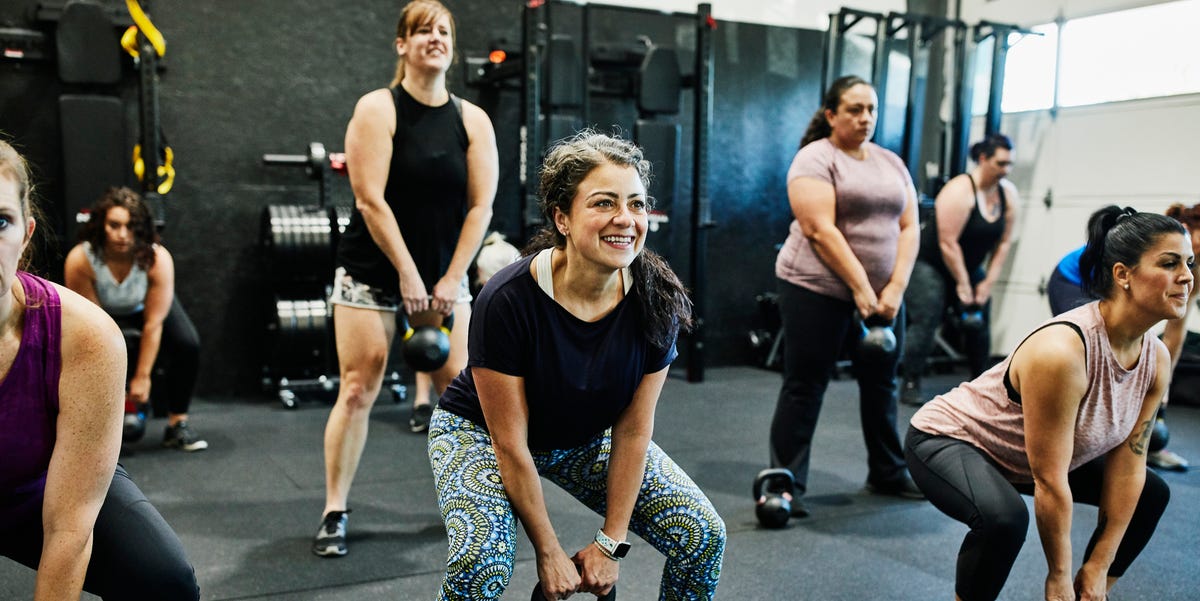
The length of a weightlifting session primarily depends on the focus of the workout. For targeting multiple muscle groups, a duration of up to an hour may be appropriate, whereas isolating a single muscle group could be effectively achieved in about 30 minutes. The focus here should be on total volume—reps multiplied by sets multiplied by weight—rather than just time spent in the gym.
Cardio
According to the American Heart Association, adults should aim for 150 minutes of moderate-intensity or 75 minutes of high-intensity cardiovascular exercise each week. If your objectives include improving heart health, approximately 30 minutes of moderate-intensity workouts several times a week can be sufficient. For those training for events like marathons, a more structured increase in duration is essential.
Bodyweight Exercises
Bodyweight workouts can be highly effective in as little as 20 minutes. They rely on your body mass for resistance, making short, intense sessions possible and efficient.
Yoga and Pilates
These workouts can vary in length from 20 to 60 minutes depending on the type. While many standard class sessions are designed to last about an hour, beneficial effects can be gained from shorter sessions focused on stress relief or flexibility.
Acknowledging Your Body’s Needs
Listening to your body is paramount. Natalya Vasquez emphasizes that if you’re finding long sessions mentally taxing or if you’re struggling with your form, it might be better to opt for shorter, focused workouts. Furthermore, if the prospect of a lengthy session feels daunting, reassessing your workout programming may be necessary.
Rest and Recovery
The duration between workouts also varies based on the intensity and type of exercise. For moderate to high-intensity routines, a minimum of one rest day each week is recommended to facilitate muscle recovery. Particularly for beginners, more rest days may be advantageous as the body adapts to increased physical activity.
Takeaway: Quality Over Quantity
Ultimately, longer workouts do not equate to better results. Vasquez points out that often a moderate approach is more sustainable and yields lasting benefits. Always remember that fitness is a lifelong journey, and a more balanced routine can serve your health and fitness goals more effectively in the long run.
