


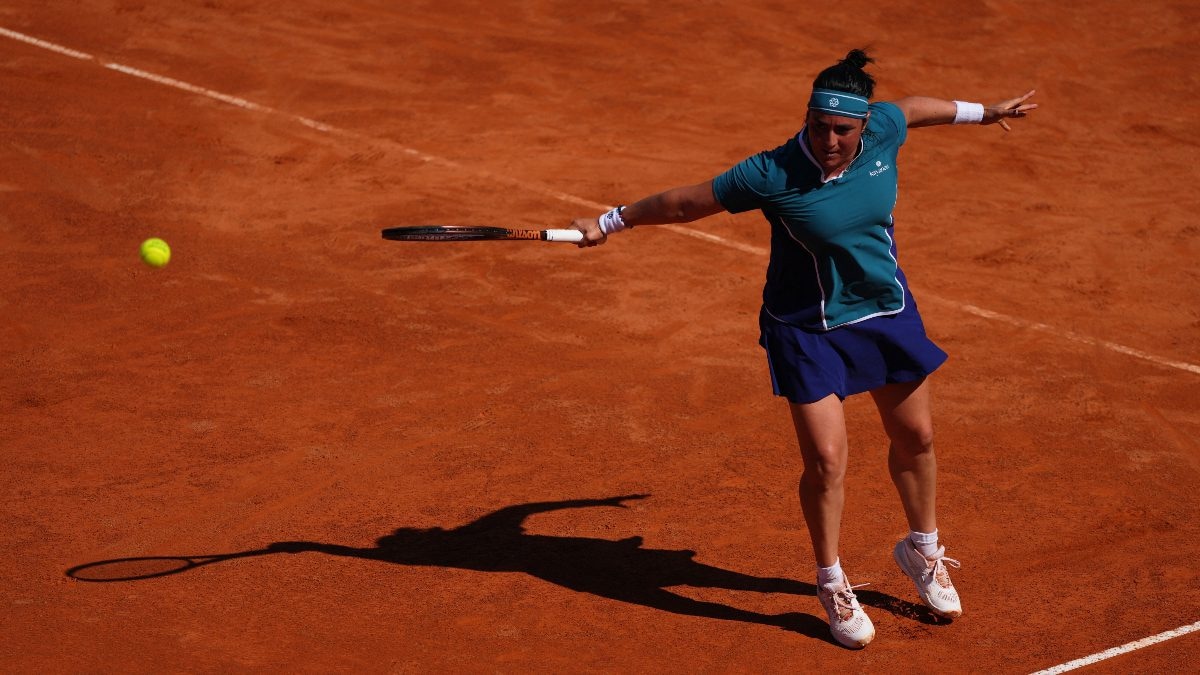
Concerns Arise Over Women’s Matches at French Open Night Sessions
Overview of the Issue
Tunisian tennis star Ons Jabeur criticized the French Open organizers and Amazon Prime for excluding women’s singles matches from the prestigious night sessions. Her comments come nearly two years after the last women’s singles match illuminated the iconic Court Philippe Chatrier under the night sky.
Recent Match History
The last women’s singles match held under the lights took place on June 4, 2023, featuring Aryna Sabalenka and Sloane Stephens in a pivotal fourth-round clash.
Jabeur’s Perspective
Following her first-round defeat at Roland Garros, Jabeur expressed her disappointment in the scheduling. “In Europe, in general, it’s unfortunate for women’s sports,” she stated, emphasizing the disparity in media coverage and the visibility of women’s matches compared to their male counterparts.
She continued, “It’s a bit ironic. They don’t show women’s sport, they don’t show women’s tennis, and then they ask the question about viewership.” According to Jabeur, the lack of exposure significantly influences audience interest.
Organizers’ Response
In reaction to these criticisms, Gilles Moretton, president of the French Tennis Federation, defended the scheduling choices, stating that the “best match” should be prioritized for night sessions. He mentioned, “Maybe we will have a few female matches on the night sessions,” though he admitted that decisions depend on the match-ups presented.
Upcoming Schedule Adjustments
The night sessions at this year’s tournament, which commence at 2015 local time, have been primarily allocated to male matches. As the schedule for Wednesday’s night match was revised due to an American player withdrawing, Holger Rune now faces Emilio Nava instead.
Notably, four-time champion Iga Swiatek is scheduled for a day match against former U.S. Open champion Emma Raducanu.
WTA’s Position
The Women’s Tennis Association (WTA) has previously highlighted the importance of equitable match scheduling, encouraging organizers to showcase women’s tennis during peak viewing times. They emphasized that a balanced schedule is crucial for the long-term growth and recognition of women’s sports.
Conclusion
Jabeur remains hopeful for a shift in perspectives regarding match scheduling. “A lot of great players deserve to be there in the night session,” she stated, reiterating the need for more visibility for women’s matches at major tournaments. The ongoing debate highlights the continuing struggle for equity in sports visibility and media representation.
