


Reflections on Life in Afghanistan: Three Years Post-Taliban Takeover
In the summer of 2021, the Taliban regained control of Afghanistan, leading many to reflect on the impact of this event. The sense of time has shifted for those living in the country, with many feeling that the years since this change have been filled with an unfathomable weight of grief and loss.
Personal Narratives amidst a Changing Landscape
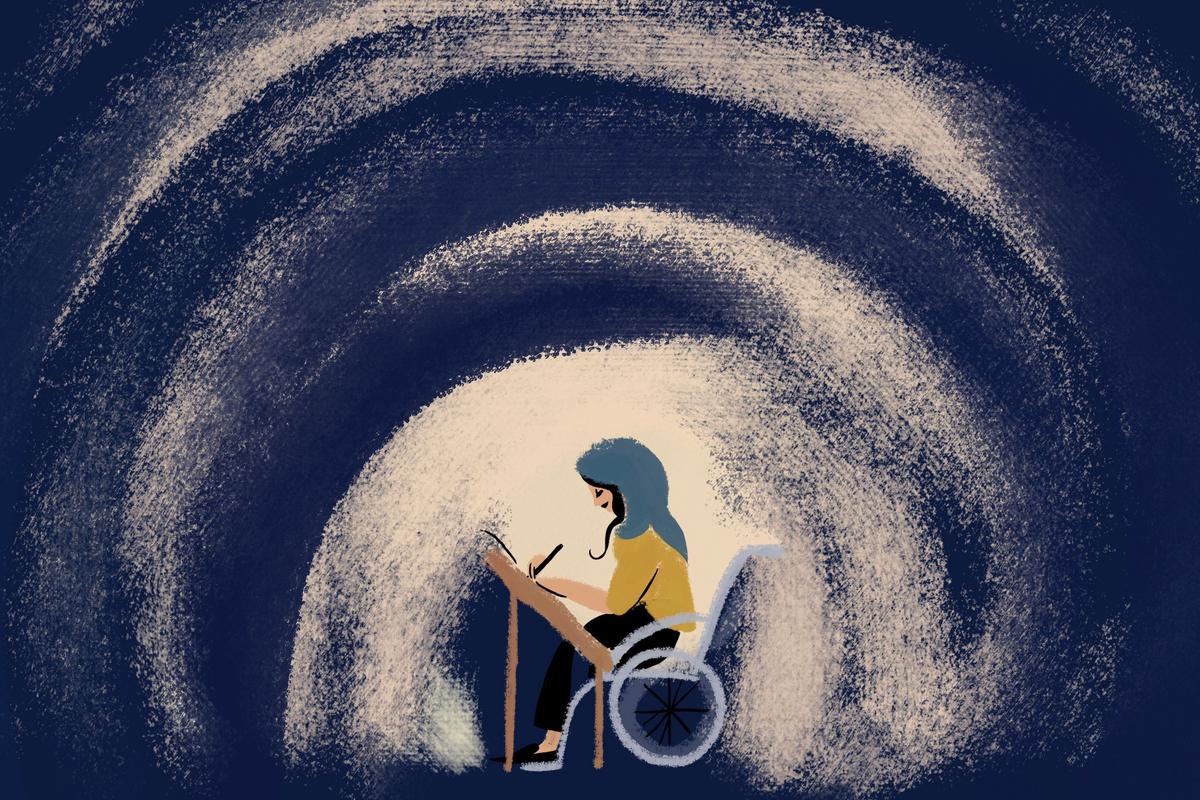
A young woman, now 29, expresses her frustrations as she surveys her homeland marked by both natural beauty and profound suffering. With aspirations of earning a master’s degree, she finds herself diverted daily by the harsh realities of political upheaval, which continue to unfold around her. Escaping into novels offers her solace, while writing provides a flicker of hope in an otherwise dark landscape.
The Day the Taliban Returned
On August 14, 2021, a bustling university life contrasts sharply with the chaos emerging outside. Amidst the uncertainty, worries mount as news of impending changes circulate among students and faculty. Conversations echo sentiments of fear, denial, and hopes for a peaceful resolution, yet the chatter reveals deep-rooted mistrust of the Taliban.
Family and Friends Facing Uncertainty
The personal toll of the Taliban’s return becomes evident as families gather, some contemplating leaving the country. Young relatives, filled with hopes for a future abroad, face off against the apprehension of those who prefer to stay behind, uncertain about the right choices amid growing chaos.
“My family prefers to remain at home, not add to the sea of people behind the airport gates.”
Everyday Realities and Fears
Subsequent months bring unease and unrest, with nights filled with the sounds of gunfire and military aircraft. Streets that were once vibrant grow quieter, reflecting a collective anxiety that permeates daily life.
The isolation is stark, and the fear that permeates conversations underscores a shift in daily routines.
The Struggle for Education and Freedom
As winter 2022 approaches, girls who once thrived in classrooms find doors closed to their education. Despite the oppressive environment, efforts to learn continue in secret, showcasing a resilient spirit that refuses to be extinguished.
Meanwhile, the younger generation resists the imposition of gender restrictions, clinging to the hope of regaining their liberties.
Immigrant Stories and the Longing for Home
As many Afghans seek refuge abroad, the narratives of those who remain reveal a mixed tapestry of despair and determination. Young couples express their love against a backdrop of political turmoil, echoing the universal need for connection even in the midst of hardship.
Headlines depicting women’s rights violations raise alarm but also fuel a resolve among those committed to fighting for change.
The Role of Literature and the Flight of Ideas
Books emerge as lifelines. Amidst the ruins of hope, the protagonist seeks words that resonate with her experiences. The works of writers from other war-torn regions become sources of comfort, affirming that shared struggles can forge connections across borders.
“I longed to read again and remind myself that war had existed elsewhere in the world as well.”
Conclusion: The Uncertain Future of Afghanistan
As Afghanistan stands at a crossroads, the stories of its people reflect a tapestry woven with loss, resilience, and hope. Despite the hardships faced under Taliban rule, the collective spirit of those who remain ignites a flicker of possibility. The evening skies may darken, but the resilience of individuals illuminates the path forward.
Not only must their voices be heard, but they must also serve as a reminder of the achievements made over the past 20 years that cannot simply be undone.
