


International Olympic Committee Considers New Participation Guidelines for Transgender Athletes
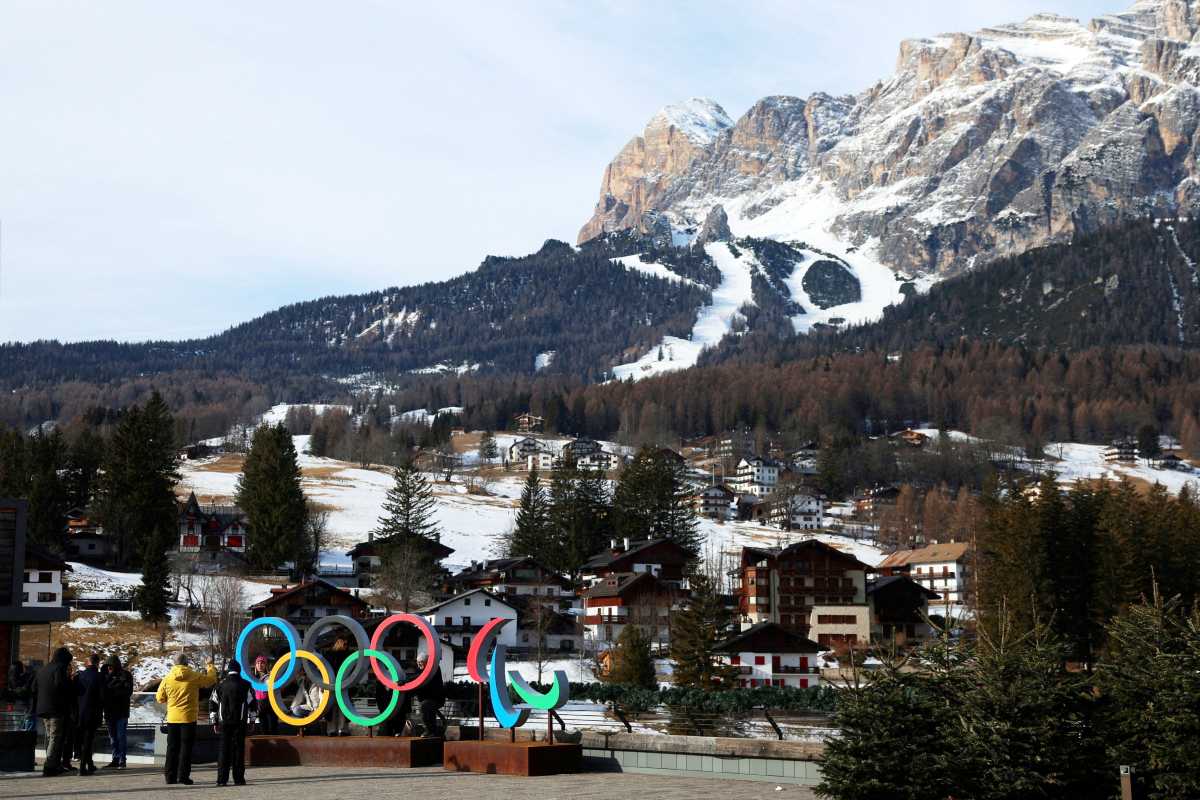
File photo: Individuals take a photo by the Olympic rings and the Olympia delle Tofane track, which will feature the women’s alpine skiing event at the Milano Cortina Winter Olympics 2026, in Cortina, Italy, January 24, 2025. REUTERS/Claudia Greco/File Photo
Potential Changes Ahead for Transgender Participation
Recent reports indicate that the International Olympic Committee (IOC) is moving towards implementing a ban on transgender women from competing in women’s sports during the Olympics. Initial coverage by The Times in the UK has sparked a wider discussion among various media outlets, suggesting that a formal decision could be finalized in the next six to twelve months, in time for the 2028 Summer Olympics in Los Angeles.
Pressure from Political Figures
Former U.S. President Donald Trump has continually advocated for such a ban, emphasizing the need to protect women’s sports at all levels. In February, he enacted an executive order titled “Keeping Men Out of Women’s Sports,” which specifically aims to restrict the participation of transgender women, particularly in high school athletics.
“In Los Angeles 2028, my administration will not stand by and watch men beat and batter female athletes,” Trump stated following his executive order. “We’re not gonna let that happen.”
Review of Gender Eligibility Rules
The IOC is currently reassessing its policies surrounding gender eligibility, which have historically allowed individual sports to determine their own participation criteria. This shift may mark the introduction of standardized gender testing for the first time since the 2000 Olympics. Between 1968 and 1998, the Olympics employed chromosome tests to verify female athletes’ eligibility.
Proposed Testing Methods
One modern proposal includes a cheek swab test to verify biological sex, which would identify the presence of a male Y chromosome in athletes. Despite some resistance, the IOC’s new president, Kirsy Coventry, has expressed a strong commitment to maintaining the integrity of women’s categories in Olympic sports.
