


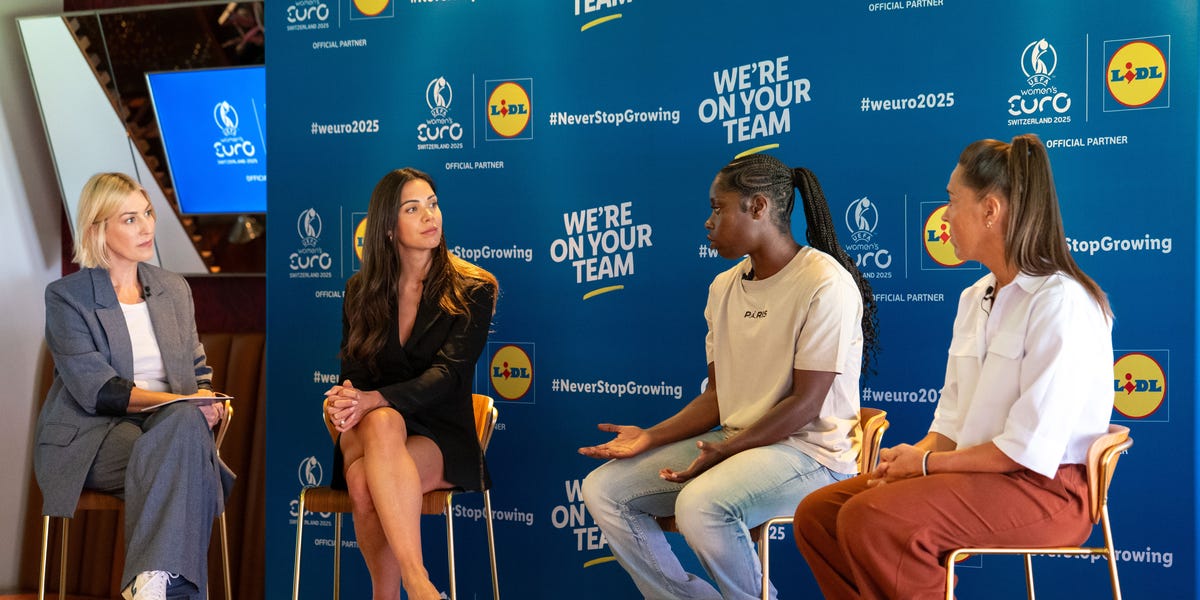
Addressing Nutritional Gaps in Women’s Sports
Recent research conducted by Lidl GB highlights a significant lack of awareness among women regarding optimal nutritional practices for exercise. This survey of over 2,000 individuals, led by YouGov, found that nearly 80% of women have not received specific guidance on how to adequately fuel their bodies during physical activity.
Understanding Menstrual Cycles and Exercise
The findings further revealed that approximately one in three women tend to limit their participation in sports during their menstrual cycles. In an environment where coaching is predominantly male, there remains a notable gap in understanding how these cycles affect women’s energy levels. Alarmingly, one in five men involved in coaching are unaware of this impact.
Among women who regularly exercise, a vast 71% believe there is a need for enhanced education on the intersection of female nutrition and sports. This gap in knowledge extends to elite sports as well, largely affecting the landscape of women’s football.
The Panel Discussion: Insights from Experts
This data was discussed at a recent panel featuring notable figures, including Lioness legend Fara Williams, nutritionist Dr. Hazel Wallace, and footballer Freda Ayisi. Williams, who enjoyed a successful professional career from 2001 to 2021, remarked on the deficiency of personalized nutritional guidance available to players during her career.
“England was a luxury, because you would have really nice food when you went into camp and tournaments,” said Williams. “However, there was nobody to tell players what and how much to eat, it felt more like an ‘all-inclusive holiday.’
Personalized Guidance: A Continuing Need
Williams pointed out that even when nutritionists were brought in—often from the men’s teams—the advice was not tailored to women’s unique needs. Currently, only about 6% of sports science research focuses specifically on women’s physiology, primarily due to the complexities associated with their hormonal profiles.
Dr. Wallace echoed this sentiment, stating that under-fueling has significant ramifications, particularly on women’s menstrual cycles. “When energy intake decreases, the first area impacted is often your menstrual cycle. This can lead to irregularities that might go unnoticed but have long-term effects on hormonal balance.”
Acknowledging Improvements in Women’s Sports
Despite the challenges, Ayisi has seen positive changes recently. “Once I started receiving education on nutrition, the difference in my performance—how I felt and recovered—was remarkable,” she noted.
The Need for Increased Awareness and Education
The research from Lidl underscores the urgency of promoting conversations about nutrition that can traverse from elite levels down to grassroots sports. “There’s definitely a shift in messaging,” Dr. Wallace remarked. “More women are vocal about the importance of fueling their bodies adequately, but we need to amplify this message further.”
Common Misconceptions Regarding Nutritional Needs
Dr. Wallace highlighted a pervasive misunderstanding: “Many women still view exercise as a tool for weight loss rather than focusing on the energy requirements associated with physical activity.” This mindset often leads to under-fueling, resulting in various health issues, including performance plateaus and increased susceptibility to injuries.
The Importance of Comprehensive Nutritional Strategies
Women engaged in physical training must acknowledge their nutritional requirements—specifically carbohydrates—especially if involved in rigorous activities like marathons or HIIT workouts. Dr. Wallace emphasized that an appropriate dietary balance, including all macronutrients, is crucial for optimal performance.
Strategies for Improved Nutritional Awareness
Female athletes are encouraged to track their menstrual cycles and any symptoms related to hormonal changes, as this can guide their nutritional needs without dictating their training regimen. “If your cycle becomes irregular, it’s crucial to not overlook it. It’s a sign that something needs addressing,” Dr. Wallace cautioned.
The essentials of sports nutrition remain constant: carbohydrates are imperative before exercise, and a focus on recovery—rehydration, protein repair, replenishing glycogen, and reinforcing with antioxidants—is essential after training sessions.
“Fasting puts you at risk of under-fuelling and hormonal disturbances,” stated Dr. Wallace. “Approaches that may work for men do not necessarily translate to women.”
Conclusion
As awareness grows about the specific nutritional needs of women athletes, the importance of tailored guidance becomes even clearer. Effective communication and education regarding fueling strategies are crucial for fostering optimal performance and overall well-being in female sports participants.
