


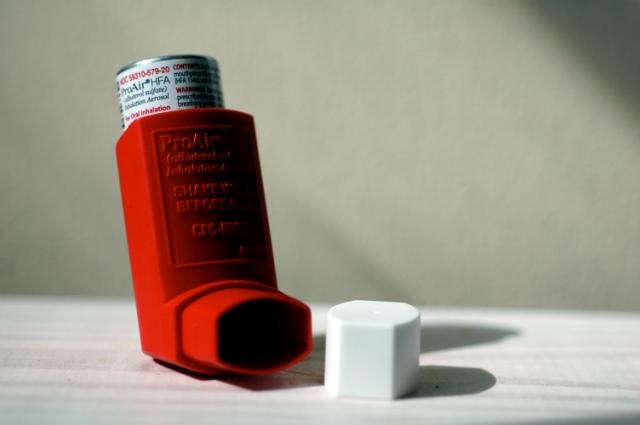
Recent research has uncovered potential sex differences in the impact of shift work on asthma. The study, led by Dr. Maidstone, highlights that permanent night shift workers, particularly women, may face an increased risk of developing moderate to severe asthma compared to those working day shifts.
Key Findings
According to Dr. Maidstone, “This is the first study to evaluate sex differences in the relationship between shift work and asthma. We found that permanent night shift-workers had higher odds of moderate-severe asthma when compared to corresponding day workers.”
Possible Mechanisms Behind the Link
While the study does not provide a definitive explanation for the connection between shift work and asthma, it suggests that disruptions to the body’s internal clock may play a significant role. This disruption could influence sex hormone levels, particularly testosterone, which has been associated with a protective effect against asthma. Lower testosterone levels in women, as well as differences in the types of jobs held by men and women, may contribute to this observed risk.
Impact on Postmenopausal Women
The research indicates that postmenopausal women who work night shifts face nearly double the risk of experiencing moderate to severe asthma compared to their day-shift counterparts, especially in those not undergoing hormone replacement therapy (HRT).
“Our results suggest that HRT might be protective against asthma for nightshift workers; however, further research is needed to test this hypothesis in prospective studies and randomised controlled trials,” Dr. Maidstone noted.
Future Research Directions
The researchers plan to explore the role of sex hormones in the relationship between shift work and asthma through data obtained from the UK Biobank and the new health research initiative, Our Future Health.
Expert Commentary
Professor Florence Schleich, a member of the European Respiratory Society’s expert group on airway diseases, commented on the research, stating, “Asthma is a common, long-term condition that affects millions of people worldwide. We know that women are more likely to have asthma, to have worse asthma, and more likely to die from asthma, but we do not fully understand why.”
She further added, “This research suggests that working night shifts could be a risk factor for asthma in women, but not in men. The majority of workers will not have an easy option of switching their shift pattern, so we need further research to verify and understand this link and find out what could be done to reduce the risk for women who work shifts.”
Reference: Maidstone RJ, Ray DW, Liu J, et al. Increased risk of asthma in female night shift workers. ERJ Open Res 2025; in press. https://doi.org/10.1183/23120541.00137-2025.
