


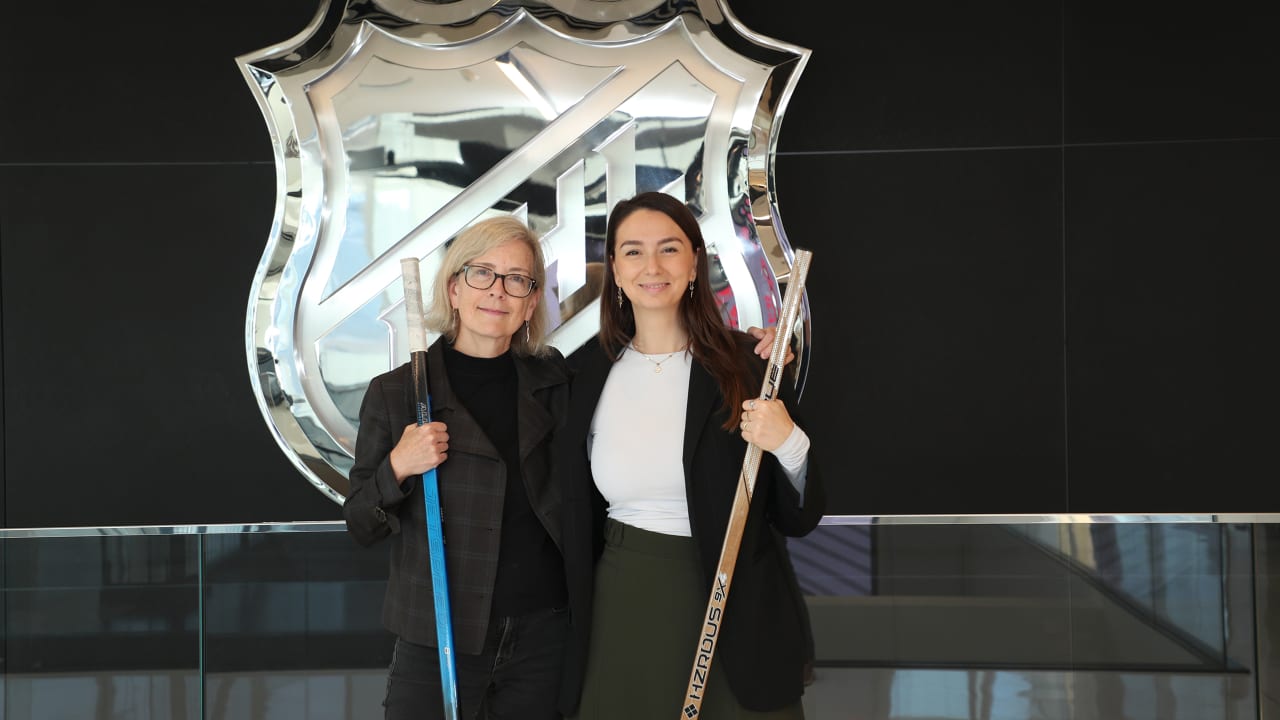
Bardha Uka: Championing Sports and Advocacy in Kosovo
Bardha Uka’s rise in the world of sports amidst the limited hockey presence in Kosovo underscores her relentless dedication to advocacy and education. A certified trainer in human rights education through the Council of Europe, Uka has collaborated with various educators and youth leaders throughout Europe, aiming to enrich the sports landscape in her home country.
The Influence of Mentorship
Uka’s connection with her mentor, Susan Cohig, who serves as the NHL’s executive vice president of club business affairs, has proven to be pivotal. With nearly three decades in the NHL, Cohig has earned accolades such as the 2020 Woman of the Year from WISE (Women in Sports & Entertainment). Her early career involved significant strategic decisions, including the relocation of the Quebec Nordiques to Denver, transforming them into the Colorado Avalanche in 1995.
Cohig remarked on their first interaction, saying, “When we met initially, met Bardha for our first virtual meeting, we thought, ‘This woman is going to be amazing,’ and we couldn’t wait to meet her in person.”
Overcoming Challenges
Uka’s personal journey has been shaped by the aftermath of the Kosovo War (1998-99), which left deep scars in the nation’s psyche. After Kosovo declared independence on February 17, 2008, Uka faced her own battles, including a traumatic experience in her childhood swimming career that ultimately led her to abandon the sport. A critical moment came when she was bullies and faced inappropriate behavior from adults, forcing her to face the harsh realities of sports culture.
Yet, her resilience turned her trauma into a powerful motivation. “If I had to drop out of swimming because the circumstances were like that back at the time, it doesn’t mean that I have to keep my mouth shut,” Uka stated, emphasizing her commitment to championing change.
Creating a New Narrative for Kosovo
Now, Uka is focused on changing perceptions of Kosovo, which is often viewed through the lens of its tumultuous past. “We don’t want people to just see us as a post-war country,” she expressed. “We want people to come and visit us for the sport, for the (five) Olympic medals, for the great food that we have and as part of the culture.” This vision reflects Uka’s determination to foster a more positive and vibrant image of her homeland.
Conclusion
Through her advocacy in sports and youth empowerment, Bardha Uka is not only reshaping the narrative of Kosovo but also championing the voices of those who have faced adversity. With guidance from mentors like Cohig and a passion fueled by personal experiences, Uka is poised to make a significant impact in the world of sports and beyond.
