


Nebraska Governor Curbs Medicaid Support for Planned Parenthood
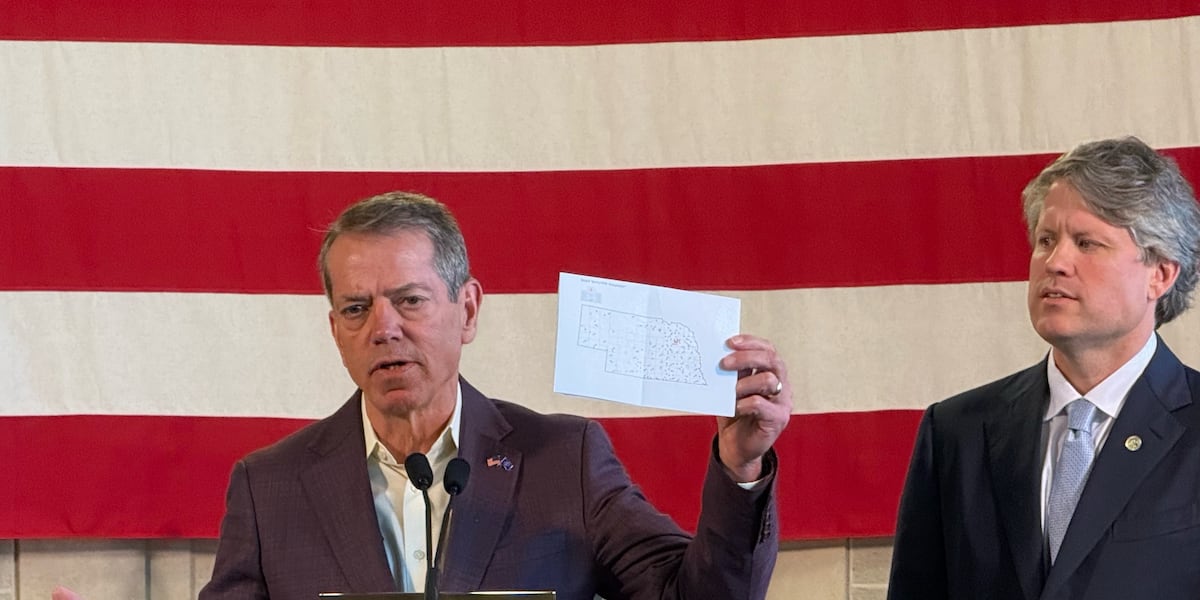
In a significant move on Thursday, Nebraska Governor Jim Pillen issued an executive order that terminates Medicaid funding for Planned Parenthood clinics in the state. This action comes shortly after Nebraska voters approved a 12-week abortion ban last fall, signaling a continued tightening of abortion access in the region.
Reactions to the Executive Order
State officials praised the order as a win for fetal rights. Attorney General Mike Hilgers stated, “Today is a really, really good day. It’s a great day for Nebraska families. It’s a great day for Nebraska taxpayers. And most importantly, it’s a great day for Nebraska unborn babies.”
Conversely, critics have labeled the order as a political maneuver that threatens to limit essential health care services for women. Ruth Richardson, president and CEO of Planned Parenthood North Central States, described it as a “publicity stunt,” asserting that Nebraskans need comprehensive health services, including birth control and cancer screenings.
Background and Legal Precedents
The recent decision reflects a broader national trend following the Supreme Court’s 2022 ruling that overturned Roe v. Wade, transferring regulatory powers on abortion to individual states. Nebraska’s own abortion restrictions became constitutional when voters passed Initiative 434, which prohibits abortions after 12 weeks.
Governor Pillen’s order draws inspiration from a similar 2018 state directive in South Carolina that removed Planned Parenthood from Medicaid funding. The U.S. Supreme Court upheld this decision in the recent case Medina v. Planned Parenthood South Atlantic.
The Scope of the Fund Cuts
The executive order not only cuts off funding for abortions but extends to any provider that has faced Medicaid funding termination in other states. “There’s not going to be a penny of Nebraska dollars going to the Planned Parenthood clinics,” Pillen claimed, emphasizing his stance against taxpayer funding for such services.
Presently, only two clinics in Nebraska provide abortion services: Planned Parenthood in Omaha and Care Reproductive Health in Bellevue. Notably, a Lincoln facility offers family planning services but does not perform abortions. However, according to Pillen, any related counseling works against their funding eligibility.
Pillen’s office indicated that Medicaid payments for non-abortion services provided by abortion facilities totaled over $514,000 in the last two fiscal years.
Broader Implications for Women’s Health Care
While supporters of the order argue for a halt to taxpayer funding of abortion services, they overlook the numerous essential services that Planned Parenthood offers. These include preventive care such as STI testing and women’s health screenings. Critics warn that the executive order could confuse women regarding their health care options, particularly in areas where alternative services may not be readily available.
Secretary of Health and Human Services Steve Corsi emphasized, “Women don’t have to go to Planned Parenthood,” suggesting a spectrum of available healthcare services. Nevertheless, Planned Parenthood continues to assert its critical role in providing comprehensive healthcare regardless of insurance status.
Local Reaction and Future Considerations
The Nebraska Family Alliance has lauded the governor’s actions, claiming it upholds pro-life values within the state. Executive director Nate Grasz stated, “Taxpayer dollars should not be funding abortion clinics or corporations like Planned Parenthood.”
Yet, questions linger regarding the state’s health care priorities at a time when economic support for families may be falling short. When asked about hunger issues connected to withheld SNAP funding, Pillen maintained that “nobody is going to go hungry,” citing community efforts to support those in need.
