


Understanding the Challenges Female Athletes Face
A recent survey involving 3,000 female sports players has highlighted the persistent issues of sexism and health-related barriers in women’s sports. The findings reveal not only the types of derogatory comments women experience but also the impact these have on their participation in sports.
Key Findings on Sexist Comments
The survey identified several forms of unwanted remarks that female athletes encounter. Among the respondents:
- 42% reported being told that women are not as skilled in sports as men.
- 32% felt belittled by comments suggesting that women in sports are inferior or ‘soft.’
- 47% indicated that male strangers on the street are the primary source of these comments.
- 44% cited male athletes as a significant source of negative remarks, and 36% reported criticism from male coaches.
Expert Insights
Dr. Pallavi Bradshaw, deputy chief medical officer at AXA Health Insurance, emphasized the dual challenge women face: “It can be a lose-lose situation for women sometimes. Despite the progress made in women’s sports, there is still much work to do in achieving equality.”
Dr. Bradshaw pointed out the inappropriateness of comments regarding physical abilities or gender, stating, “Comments about physical ability or derogatory statements about gender have no place in sport or exercise.”
Health Barriers Impacting Participation
The research also examined health-related issues affecting women’s sports participation. Significant findings include:
- 39% of respondents mentioned that menstrual health negatively impacted their sporting activities.
- 29% reported struggles with low energy levels that hinder their performance.
Athlete Perspectives
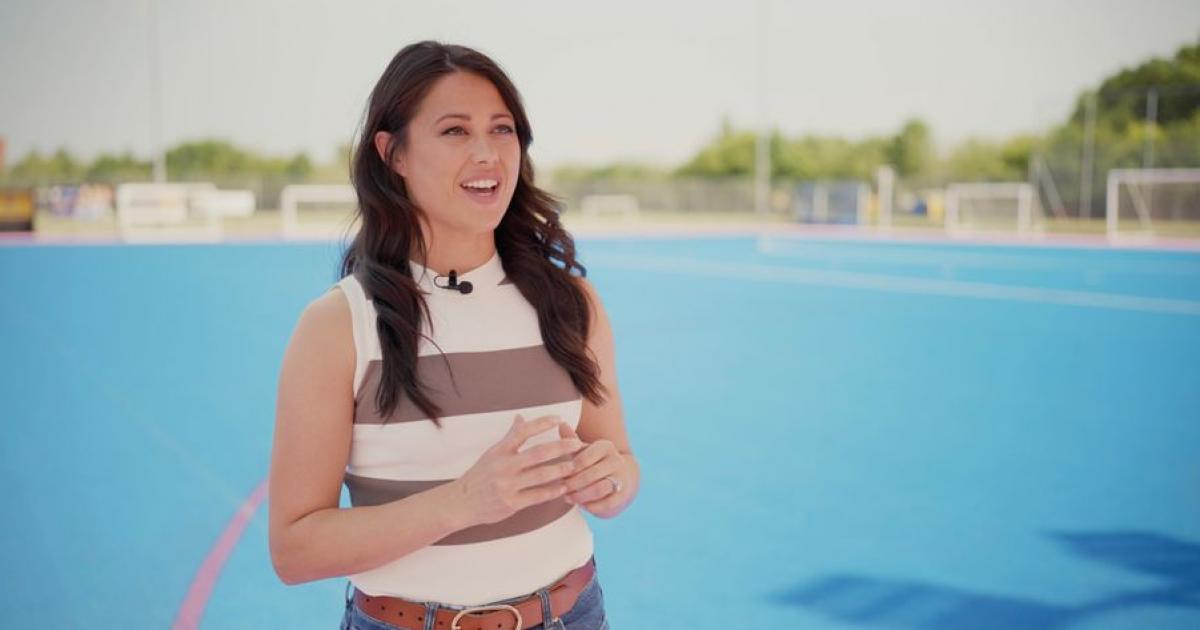
Olympian Sam Quek, who secured gold for Team GB in women’s hockey at the Rio Olympics, shared her experiences with derogatory remarks and societal pressures. She noted, “Speak up and you’re difficult – stay quiet, and you’re weak.” Quek highlighted the challenge of dealing with insults about physicality and performance, mentioning the stigma surrounding women’s menstrual cycles in sports.
She remarked, “One area in women’s sport which I have loved to see evolve is the menstrual cycle and women’s periods. It does affect sporting performance, and we just needed a greater understanding.”
Gender Inequality in Sports Recognition
The findings indicate a lack of recognition for female athletes, with 78% feeling they do not receive adequate credit for their achievements. Despite this, a significant 94% of parents acknowledge the importance of setting a positive exercise example for their children.
Addressing Sexist Abuse
Notably, 58% of women who have faced sexist abuse considered leaving the sport due to these experiences. To combat this issue, the survey suggests actionable steps that the sporting community can take:
- 88% of female athletes believe that coaches, officials, and spectators need to take a stand against sexist remarks.
- 74% support speaking out when witnessing abuse.
- 65% advocate for promoting equal opportunities in sports.
- 56% call for recognizing and praising women athletes amidst criticism.
Concluding Thoughts
Dr. Bradshaw encourages a more inclusive approach within sports, stating, “We need to normalize flexing training plans to suit women’s needs, such as using the stages of the menstrual cycle to benefit training.” Further, as female athletes age, they must be supported in challenging conventional expectations and priorities.
Sam Quek concluded with an empowering message: “Sport for me is magical. It’s for everyone. To any female involved in sport who has been told they’re too much – you’re not, you’re you. And to any female who has been told we’re not enough, we are enough.”
