


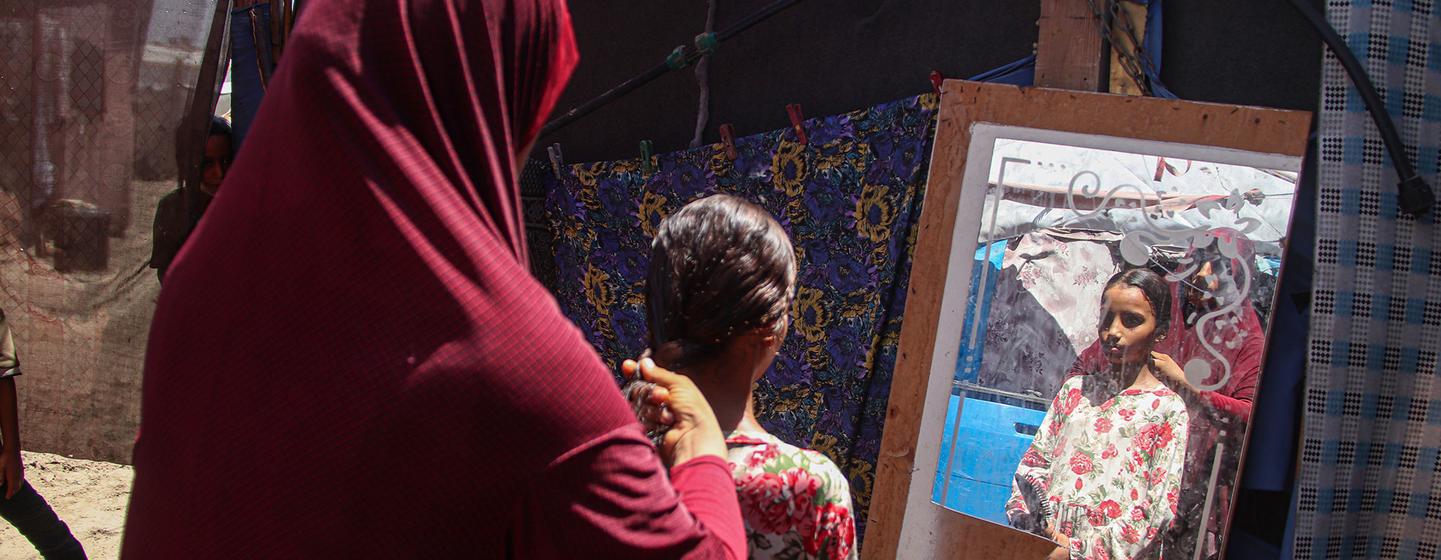
Menstrual Health Crisis in Gaza: A Call for Action
Globally, an estimated 1.8 billion individuals menstruate, yet for many—especially in conflict zones—this natural process presents significant challenges. In Gaza, approximately 700,000 women and girls of menstruating age face various hardships due to the ongoing crisis, exacerbated by the relentless bombardments and dire living conditions.
A Human Rights Concern
The United Nations Population Fund (UNFPA) highlights that the scarcity of menstrual products, alongside a lack of access to clean water and hygiene supplies, severely impacts the dignity of women and girls during menstruation. Reports indicate that since the commencement of Israel’s aid blockade in March, many essential hygiene supplies, including sanitary pads, have dwindled. Although there was a temporary lift of some restrictions last month, allowing limited aid such as flour and medical supplies to enter, the need is far from met.
As of now, nearly 90% of Gaza’s water and sanitation infrastructure has been damaged, with fuel shortages halting water supply operations. This ongoing struggle places immense pressure on women and girls who must manage their menstrual health under extremely challenging conditions.
© UNFPA/Media Clinic
Women stand in a damaged displacement settlement in Khan Younis, Gaza.
Personal Accounts of Distress
In a testimony shared with UNFPA, a girl sheltering in a crowded camp described the pain of getting her period under such distressing circumstances. “I only had one pad, so I wrapped it in toilet paper to make it last. I couldn’t wash, and the pain was horrible. I sat in silence crying until the end of the day.”
As many as 90% of households in the area report extreme water shortages, thereby transforming menstruation into a source of anxiety and shame. One displaced girl, Aisha*, stated, “Sometimes I need pads and soap more than I need food.”
Compromised Dignity and Health
With less than 25% of the needed sanitary pads available monthly, women are resorting to makeshift solutions such as torn clothing or rags. A father displaced from Jabalia reflected on the desperation: “I tore my only shirt into pieces so my daughters could use them instead of pads.” These alternatives carry the risk of infections and long-term health issues, compounding the already significant challenges posed by a healthcare system on the brink of collapse.
Additionally, the psychological toll is profound. One girl lamented, “Every time my period comes, I wish I weren’t a girl,” illustrating the deep-seated emotional impact of the current crisis.
Health Care Under Siege
A doctor in Gaza, discussing the conditions faced by women during menstruation, childbirth, and pregnancy, expressed, “These should be natural experiences, not sources of distress and pain. I see strength in women’s eyes, but I also see deep pain and the stripping away of dignity.”
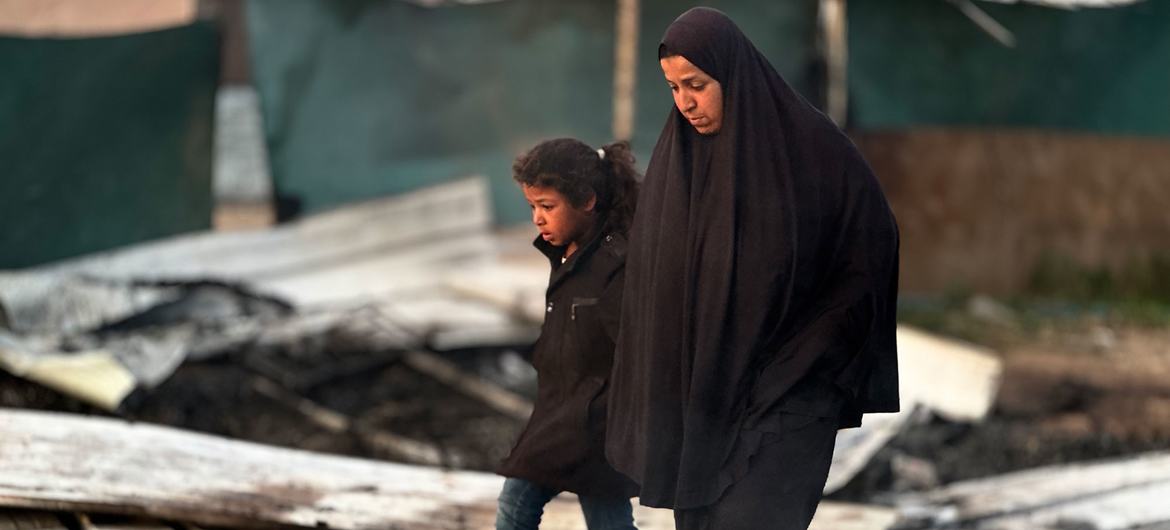
© UNICEF
A woman and child walk through the rubble of Gaza.
Women and girls are among the most vulnerable in emergencies as the breakdown of societal structures increases their risks. The burdens of providing for their families grow as they undertake additional care responsibilities, adding to their suffering.
Maysa*, a displaced woman in Khan Younis, poignantly captured the dual necessity of sustenance and dignity: “Food keeps us alive, but pads, soap, and privacy let us live with dignity. When we receive hygiene kits, it feels like someone finally sees us.”
UNFPA’s Humanitarian Response
As part of its frontline efforts, UNFPA is dedicated to integrating menstrual health into broader humanitarian responses in Gaza. Since October 2023, the agency has provided more than 300,000 women and girls with supplies of disposable menstrual pads and postpartum kits for over 12,000 new mothers.
However, after three months of a complete aid blockade, stock levels are critically low with border crossings closed. While some recently reported aid through the Gaza Humanitarian Foundation delivered food and essential supplies, it remains inadequate.
The UN continues to advocate for urgent assistance for women and girls currently enduring some of the world’s most overlooked humanitarian crises.
*Names have been altered for privacy and protection.
