


Understanding “Mankeeping”: The Emotional Labor in Heterosexual Relationships
The concept of “mankeeping” is gaining attention as it highlights the emotional and social dynamics prevalent in many heterosexual relationships. Coined by Angelica Puzio Ferrara, a social psychologist at Stanford University, this term describes the role some women take on as the primary emotional support system for their male partners. As relationships evolve, women often find themselves managing their partner’s emotional needs alongside their own.
The Role of Emotional Caregiver
Mankeeping encompasses more than just planning social outings; it signifies a deeper responsibility, with women frequently acting as their partner’s sole confidante. A female acquaintance remarked, “My partner and I don’t have kids but sometimes helping him understand, let alone articulate, his emotions feels like toddler training.” She goes on to explain her role in managing their social calendar, ensuring he engages with her friends rather than his own.
The Mental Load: Imbalance in Responsibilities
Research consistently shows a disparity in mental load within heterosexual families. Women typically shoulder the burden of anticipation, planning, and emotional caregiving. A significant aspect of mankeeping is the added weight of being the sole support, often leading to a one-sided exchange in emotional labor.
Statistics on Male Loneliness
Recent studies reveal concerning trends regarding loneliness among men. According to a 2018 survey by the Movember Foundation, 27% of men in the UK reported having no close friends, and 22% of men over 55 stated that even when they did have friends, they rarely saw them. A Gallup poll from May highlighted that 21% of men aged 15-34 felt lonely for much of the previous day, a stark reminder of the male loneliness epidemic that lacks robust solutions.
Unbalanced Dynamics in Dating
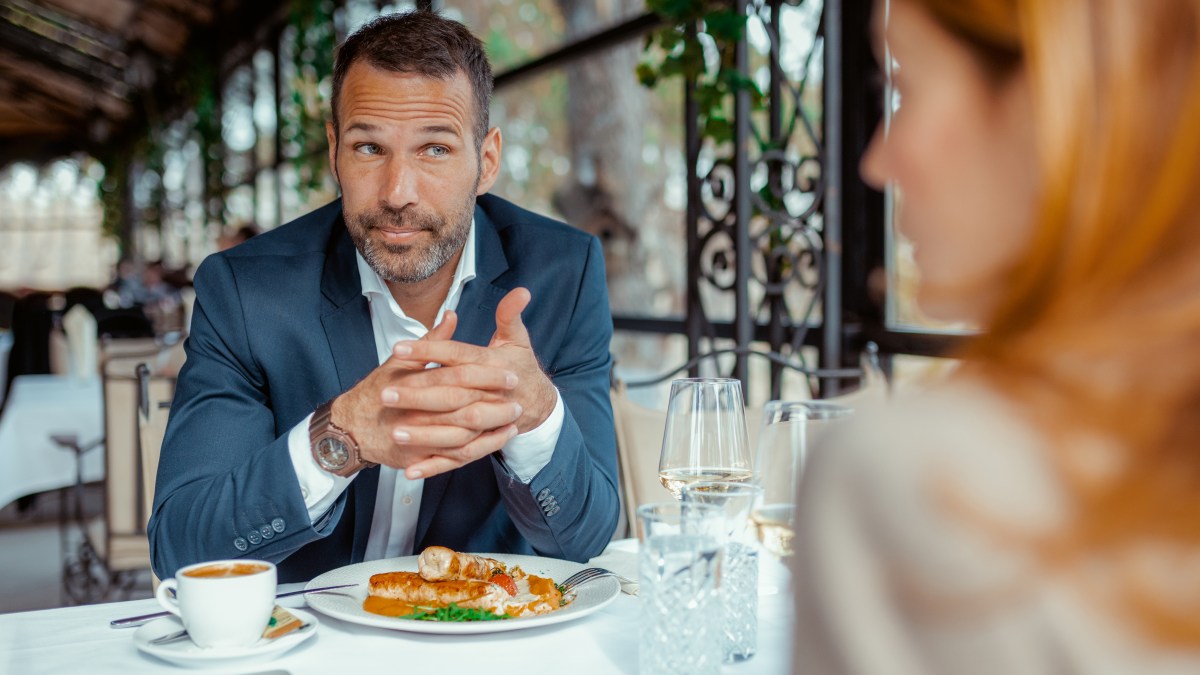
As someone who has experienced this dynamic firsthand, it’s often evident on a first date when a man lacks a social network. An individual may end up feeling as if they are in an unpaid therapy session, receiving a stream of personal frustrations without reciprocation. One date’s lengthy explanation about his job loss overshadowed my attempts to share experiences. This lack of balance can be tiring and often leaves women feeling more like emotional caregivers than potential partners.
The Responsibility of Building Connections
While some women, like one interviewed, express relief found in partners with established friendships, others face societal pressures to facilitate social interactions. A mother at a school gate mentioned her struggle with organizing social events for her husband, who lacks his own social skills, an obligation that can become burdensome.
The Socialization of Emotions
Early in life, girls are often encouraged to nurture friendships and emotional expression, creating a foundation for support systems. In contrast, many men may not have received the same encouragement. This cultural gap leaves men ill-equipped for deeper emotional connections and can lead to uncomfortable dynamics in relationships.
Changing Patterns in Male Friendships
As societal expectations evolve, the traditional ways in which men engage with one another are slow to change. A 73-year-old baby boomer reflected, “For most men, interactions tend to focus around competitive activities rather than emotional discussions.” His experience illustrates that while men are gradually becoming more emotionally aware, their methods of connecting often remain superficial, impacting the depth of their relationships.
Marriage and Friendship Dynamics
Men often drift away from friendships after marriage, particularly those that centered around socializing in less structured environments. Wedding speeches frequently reflect a normative narrative that shifts emotional reliance from friends to spouses, further depleting social outlets for men. In contrast, women maintain their friendships, allowing for networks of support in challenging times.
Conclusion: Moving Forward
The concept of mankeeping underlines essential discussions surrounding emotional labor in relationships. As awareness grows regarding the loneliness many men experience, initiating conversations about emotional sharing and friendship-building is crucial. A more balanced approach to emotional labor can lead to healthier relationships and stronger social networks for both partners.
Understanding and addressing the unique challenges posed by mankeeping can foster deeper connections and mutual support within relationships. This journey will require a collective effort to reshape how men build and maintain their friendships, not only benefiting their romantic relationships but enriching their lives as a whole.
