


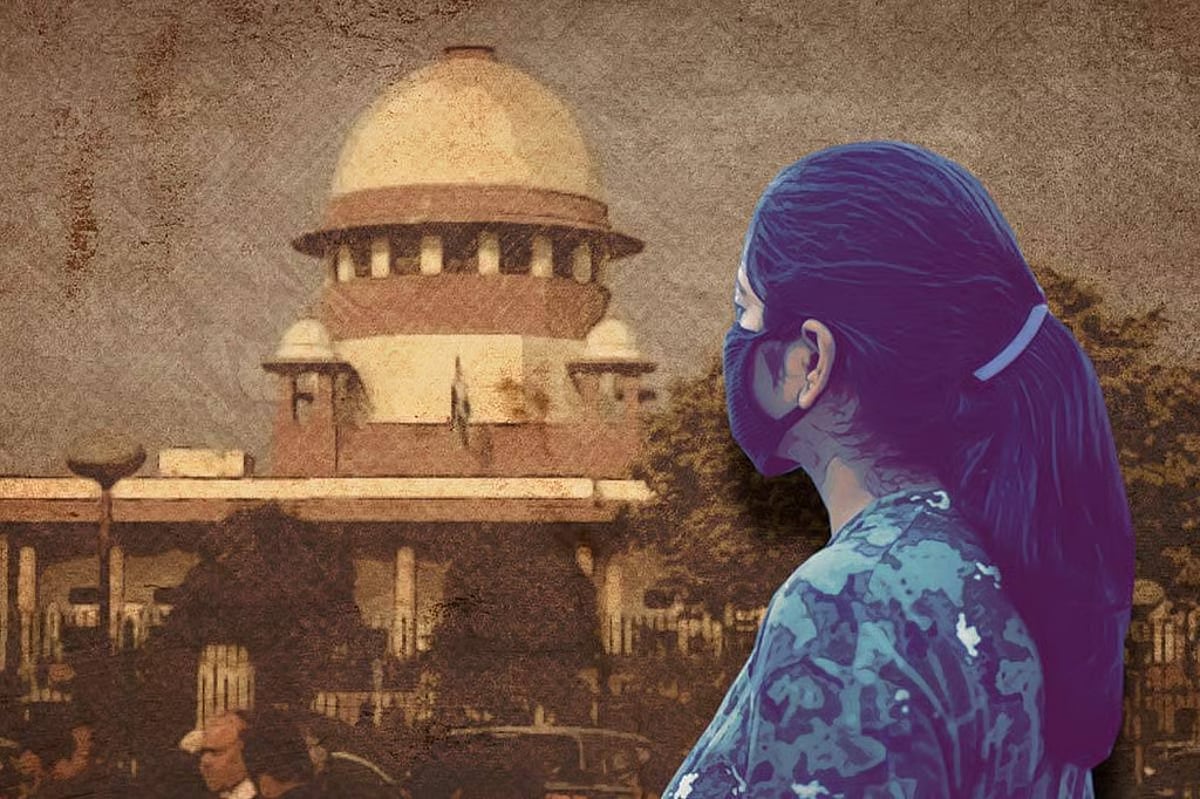
False Promises: Legal Implications of Sexual Relationships in India
Recent allegations against prominent figures in India have spotlighted the complexities associated with sexual interactions framed under false promises of marriage. Notable cases involve Malayalam rapper Vedan, cricketer Yash Dayal, and politician Rahul Mamkoottathil, stirring public debate on consent, accountability, and societal perceptions of women who file complaints.
Case Overview
- Vedan (Hirandas Murali) – Charged under Section 376 of the IPC, Vedan faces allegations from a doctor who claims she was raped multiple times between 2021 and 2023 following promises of marriage.
- Yash Dayal – The cricketer is under investigation concerning complaints made by a woman after a five-year relationship, with charges filed under Section 69 of the Bharatiya Nyaya Sanhita (BNS).
- Rahul Mamkoottathil – Although lacking formal complaints, Mamkoottathil was suspended by the Congress party after allegations emerged that he misled women regarding marriage and induced abortions.
Public Response and Stigma
The reactions to these allegations highlight societal attitudes towards women who report sexual misconduct. Comments ranging from questioning consent to labeling complainants as opportunistic are prevalent. For instance, critiques frequently inquire why women feel victimized if consensual relationships fail.
Seena*, a legal professional currently engaged in a case against her former partner, articulated the societal bias she faced, stating, “Yes, there was consent when we were living together. But when we come out of it, will society treat both of us equally?” Seena has experienced stigma, including slut-shaming and workplace discrimination post-complaint, reinforcing the notion of societal judgment against women who pursue legal action.
Legal Framework and Judicial Perspectives
The legal discourse surrounding ‘false promises to marry’ remains contentious, often intersecting issues of consent, systemic bias, and gender dynamics. The Indian Penal Code (IPC) provisions related to rape (Section 375) and cheating (Section 420) have undergone scrutiny, particularly with the introduction of Section 69 in the BNS, which criminalizes sexual intercourse under deceit.
Judicial opinions have varied significantly. The Supreme Court has cautioned against the misuse of laws when consensual relationships deteriorate, asserting that each case requires careful examination of individual circumstances. The case of Uday v/s State of Karnataka illustrates how societal perceptions of caste and consent can influence judgments in similar contexts.
Challenges Faced by Complainants
Victims of alleged ‘false promises to marry’ often confront considerable barriers in the courtroom. Legal experts, including Surbhi Karwa, point out that many judgments uphold stereotypes related to sexual autonomy, disproportionately affecting women based on caste, marital status, and personal history.
High-profile cases illustrate a troubling trend: many accusations fail to lead to convictions unless they involve clear deceit. Statistically, a 2022 analysis in Delhi found that just 12 out of 109 cases related to false promises ended in conviction. This emphasizes a legal landscape that often disfavor women seeking justice.
The Role of Section 69 and Future Directions
Section 69 of the BNS aims to clarify the distinction between rape and deceit in the context of sexual relationships, proposing penalties for those who exploit the promise of marriage for sexual gain. However, its implementation remains fraught with complications, particularly regarding proving the intent behind such promises.
Legal practitioners express concern that women may struggle to provide sufficient evidence of deceit unless the misconduct is overtly clear. Furthermore, community perceptions regarding relationships significantly impact the handling of such cases, leading to questions about the effectiveness of legal remedies.
Conclusion
The discourse surrounding allegations of sexual misconduct framed under false promises of marriage is complex and deeply rooted in societal norms and legal frameworks. While the introduction of Section 69 represents an attempt to add nuance to these cases, the broader implications for women’s rights and legal protections remain unsettled. Moving forward, discussions around civil remedies and survivor-centric approaches may contribute to a more equitable legal landscape.
