


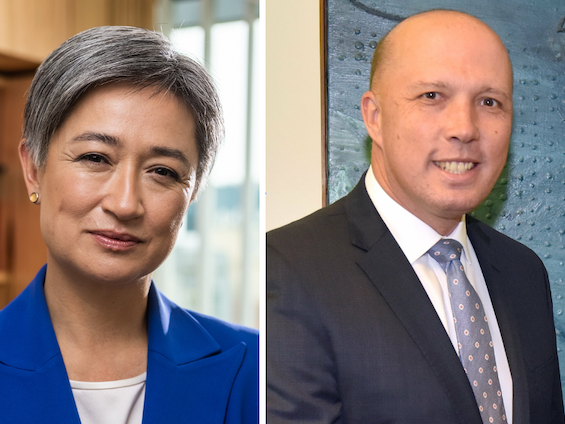
As Australia coordinates a significant political transformation, the upcoming 2025 Federal Election signifies an unprecedented advance in female representation, reveals Zayda Dollie.
Emergence of Women in Parliament
In a historic shift for Australia, the 2025 Federal Election is set to bring a record number of women into the nation’s parliament. This development highlights a changing electorate that is increasingly prioritizing representation and accountability among its political candidates.
Changing Representation
The latest election has already confirmed that at least six women have been elected to the House of Representatives, surpassing their male counterparts. Previously, 58 out of 151 representatives were women, but with 16 new female candidates in contention, women could potentially hold as many as 74 seats in the lower house.
While only half of the Senate seats were contested, the female representation remains robust. The outgoing government had 43 women, and projections indicate that 44 women will continue to serve in the new Senate, maintaining female representation above 50%.
Implications of Labor’s Leadership
Status quo will likely persist under the leadership of newly elected Labor Prime Minister Anthony Albanese. Following his inaugural cabinet formation in 2022, where he appointed ten women to senior roles, expectations are high that he will continue to prioritize female representation. Albanese stated at that time:
“This is the largest number of women who have ever served in an Australian Cabinet, with 10 women in the Cabinet. In terms of the Ministry, there are 13 women in the Ministry and 19 frontbenchers… It is the most experienced incoming Labor Government in our history since Federation.”
Demographic Shifts
As votes continue to be counted, the anticipated total of 63 seats occupied by women symbolizes a monumental achievement for the 48th Parliament of Australia. This represents a clear upward trend in female political participation, especially in the context of the recent increase from 40 women in the House and 32 in the Senate just three years ago.
Young Voters: A Dynamic Force
This election has also presented a notable demographic breakthrough, as combined voting from Generation Z and Millennials has surpassed that of Baby Boomers. This changing landscape necessitates that political parties recognize and adapt to the priorities of younger voters, who are becoming increasingly vocal in their demands for representation.
Responding to Modern Needs
Throughout the campaign, the Liberal Party’s approach, as expressed by Opposition Leader Peter Dutton, has drawn scrutiny from voters. When questioned about policies targeting women regarding work and education, Dutton’s responses reflected a narrow understanding of women’s issues. He stated:
“I’m offering them the chance to get a home. … I’ve worked hard every day in this job to keep women safe and young girls and children safe.”
However, Dutton’s failure to address the broader issues young and working women face has highlighted a disconnect between the party’s policies and the pressing needs of the electorate. His remarks were seen as paternalistic rather than empowering.
Challenging the Status Quo
The outcomes of this election indicate a potential ideological crisis for conservative parties that continue to see themselves as the primary voice for Australian citizens. Their policies, perceived as outdated and ineffective by a growing voter base, pose a serious risk of alienation and marginalization.
A Shift in Political Discourse
In the wake of the election, discussions have emerged around the importance of genuine representation and policy development. For example, Shadow Minister Bridget McKenzie, in a recent program appearance, defended the Coalition’s strategies against claims of ineffectiveness. A young audience member aptly responded:
“It’s interesting to hear those sentiments when we know that Peter Dutton visited 17 petrol stations but didn’t release a single policy on women.”
McKenzie’s retort that women also frequent petrol stations appeared trivializing, emphasizing the need for more significant conversation and actionable policies that address women’s actual needs and experiences.
The Road Ahead
The lack of substantive policies from traditional parties reflects a broader trend that could contribute to their decline unless they adapt in meaningful ways. Change appears imminent, as voters increasingly seek candidates who not only recognize but also prioritize their diverse needs. As Australian democracy evolves, the political landscape will increasingly reflect the population it serves.
*All statistics cited in this article were accurate at the time of publication (AEC)
Zayda Dollie is an IA assistant editor dedicated to amplifying female voices through impactful storytelling. Connect with her on social media platforms Instagram, X, and Bluesky.
